BIODIVERSITY FINANCE
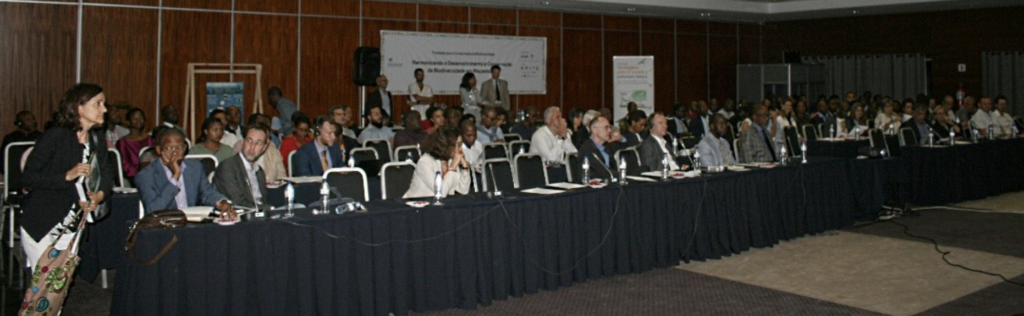
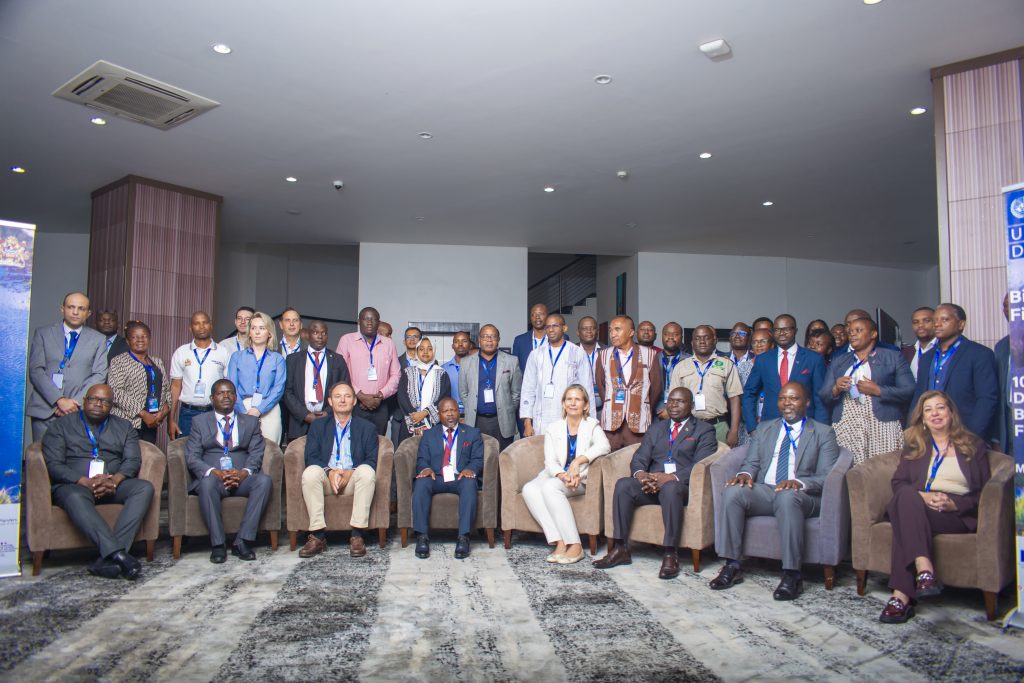
Advancing Biodiversity Conservation: 10th Africa Regional Dialogue on Biodiversity Finance
3 April 2024 – Blantyre: Planet Earth requires approximately US$ 950 billion annually for the restoration and protection of its…







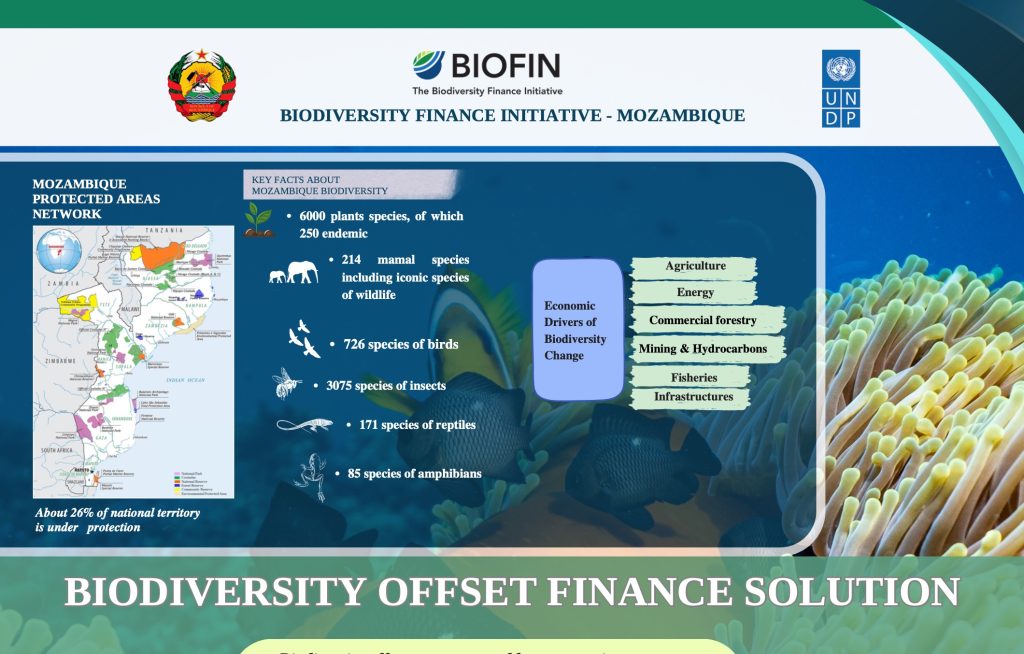
Mozambique’s rich natural capital underpins livelihoods, economic development and key sectors such as tourism, fisheries and agriculture. With around a quarter of the country’s territory under conservation, securing adequate and sustainable finance for biodiversity is essential to maintaining these benefits while supporting Mozambique’s broader development priorities.
Despite the importance of its natural resources, financing for biodiversity conservation remains a significant challenge. Addressing this gap requires not only increasing available resources, but also improving how biodiversity considerations are integrated into public and private investment and developing financing mechanisms that can generate sustainable resources for conservation.
Mozambique joined the Biodiversity Finance Initiative (BIOFIN) in 2018, bringing together environmental and finance institutions to strengthen the country’s approach to biodiversity finance. Through the BIOFIN methodology, the country has assessed the policies, institutions and expenditures that influence biodiversity financing and identified opportunities to mobilize and better align resources with national biodiversity priorities.
Building on this evidence, BIOFIN Mozambique is advancing practical finance solutions, with biodiversity offsets emerging as a key mechanism for mobilizing additional resources for conservation while addressing residual biodiversity impacts from development. This work is helping strengthen the regulatory and institutional framework for biodiversity finance and deepen engagement with government, the private sector and conservation partners.
Biodiversity offsets
So far this is the only prioritized finance solution for Mozambique, and this came about as a partnership opportunity to do joint work with two other entities, namely WCS/COMBO and BIOFUND. The work currently being conducted is aimed at developing a functional mechanism for biodiversity offsets in Mozambique, along with the development of relevant specific regulation, in partnership with the National Directorate of Environment.
Advancing a national biodiversity offsets mechanism
BIOFIN Mozambique is supporting the development of a biodiversity offsets mechanism to help mobilize additional resources for conservation while addressing the residual biodiversity impacts of development projects. The work is being undertaken in partnership with government institutions, BIOFUND and WCS/COMBO and includes support for the development of the enabling regulatory framework.
Strengthening the evidence base for biodiversity finance
Mozambique completed its Biodiversity Policy and Institutional Review (PIR) and Biodiversity Expenditure Review (BER), providing a stronger understanding of the policies, institutions and financial flows that influence biodiversity. These assessments provide an evidence base for identifying financing gaps and opportunities and developing finance solutions tailored to national priorities.
Engaging the private sector in biodiversity finance
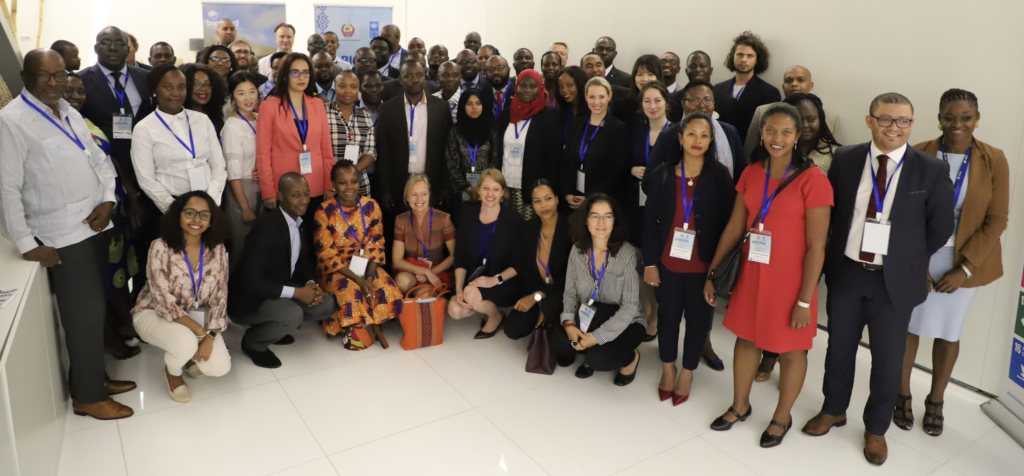
BIOFIN and partners are strengthening engagement with the private sector around biodiversity offsets and the Mitigation Hierarchy. Capacity-building activities have brought together government institutions, businesses, academia and civil society to strengthen national capacity to manage biodiversity impacts associated with economic development.