BIODIVERSITY FINANCE
BIOFIN Niger, a green approach to financing biodiversity
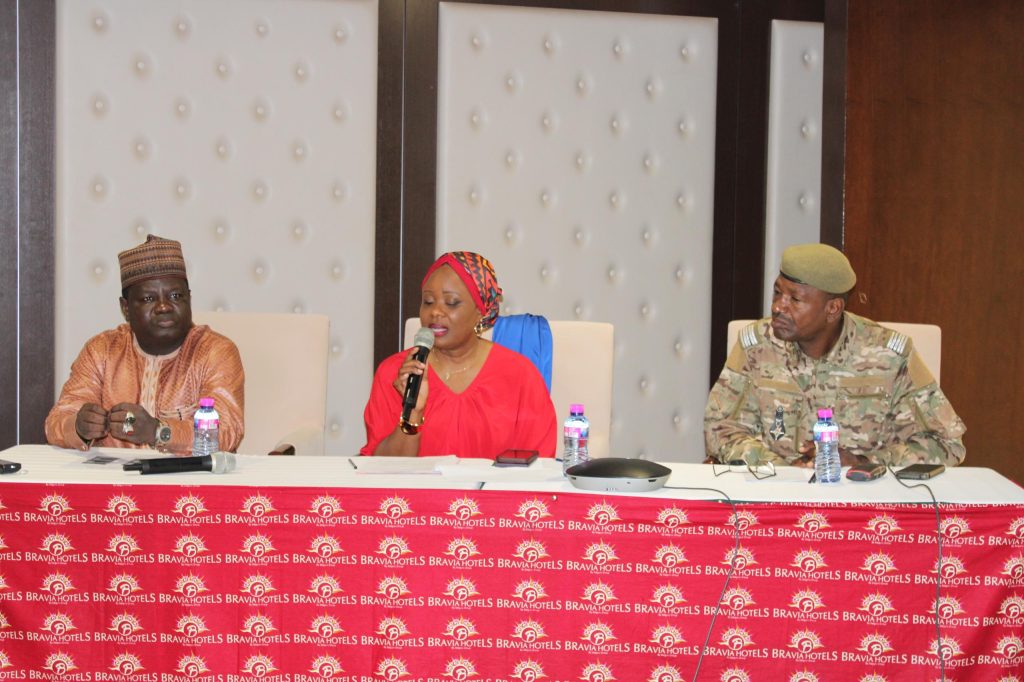
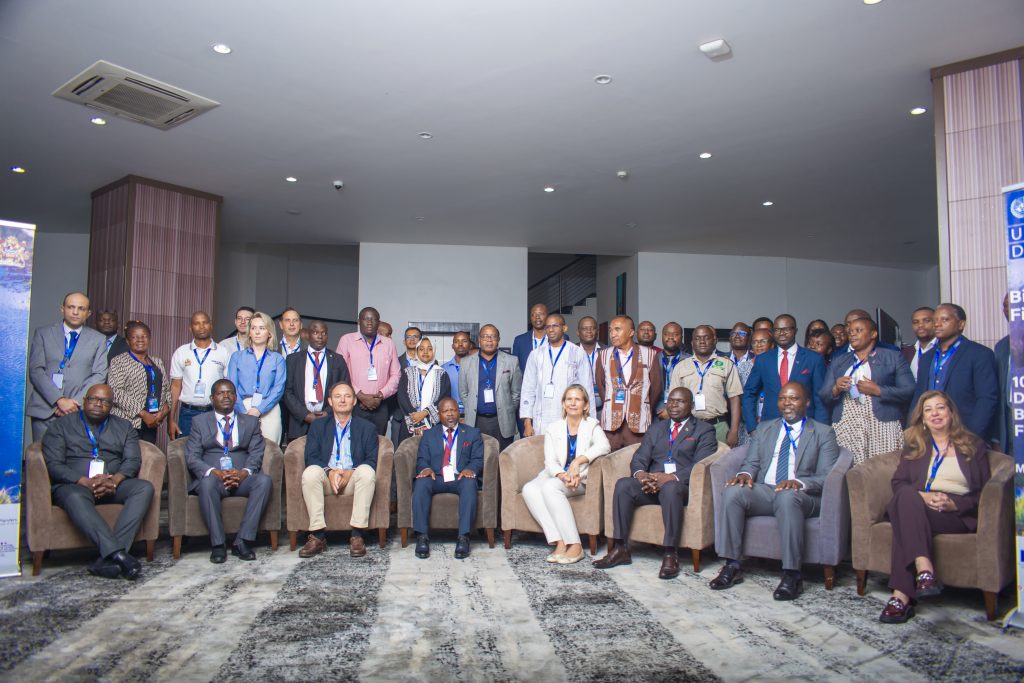
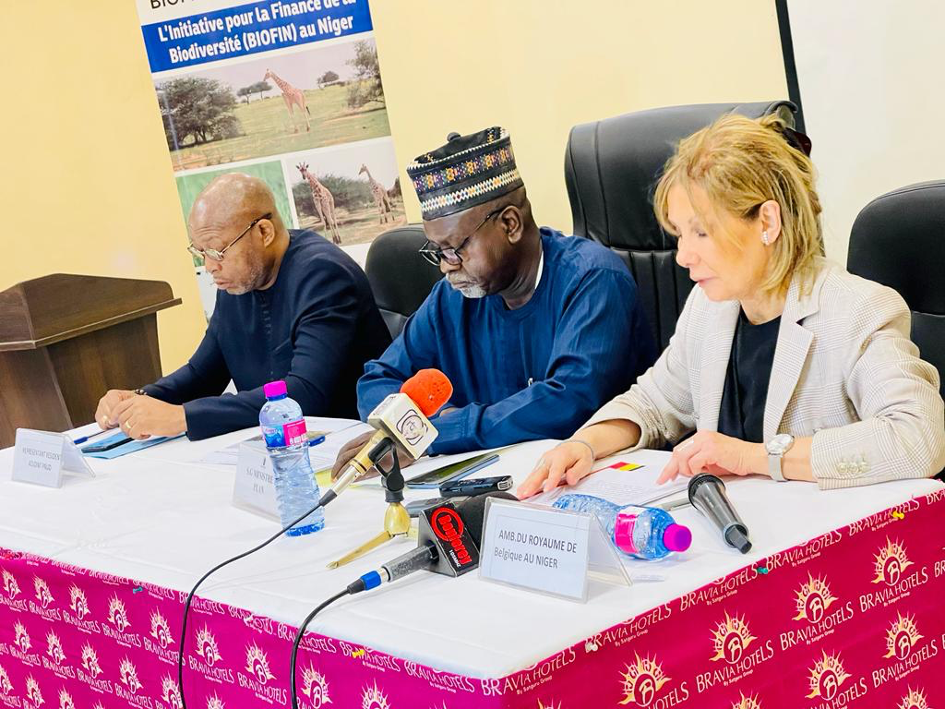
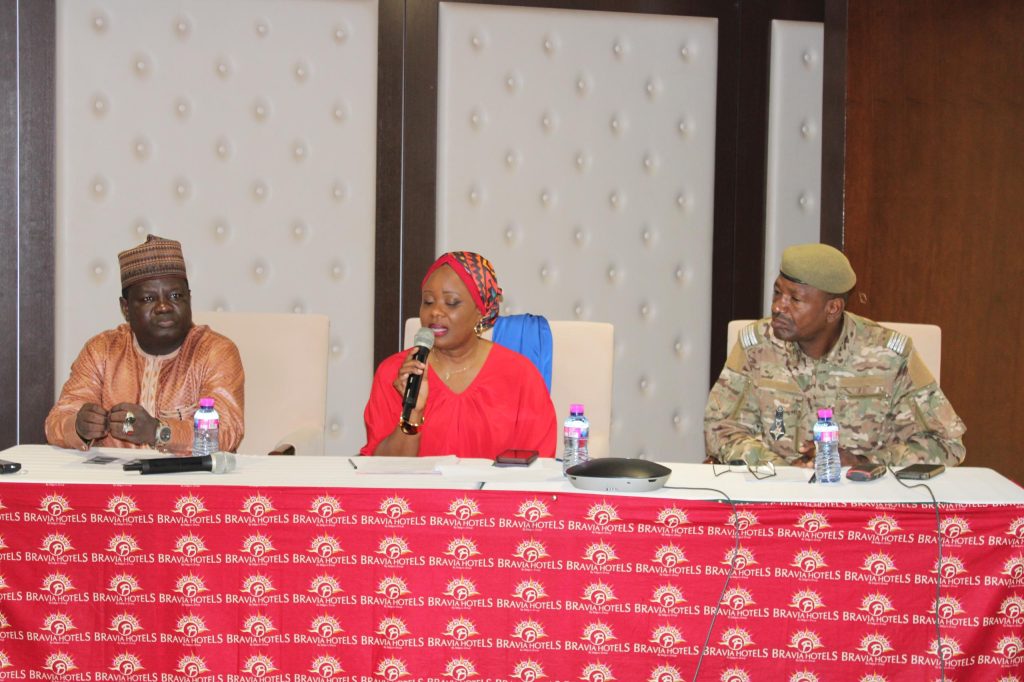
On Wednesday 17 and Thursday 18 July 2024, the United Nations Development Programme (UNDP) in Niger, with financial support from…
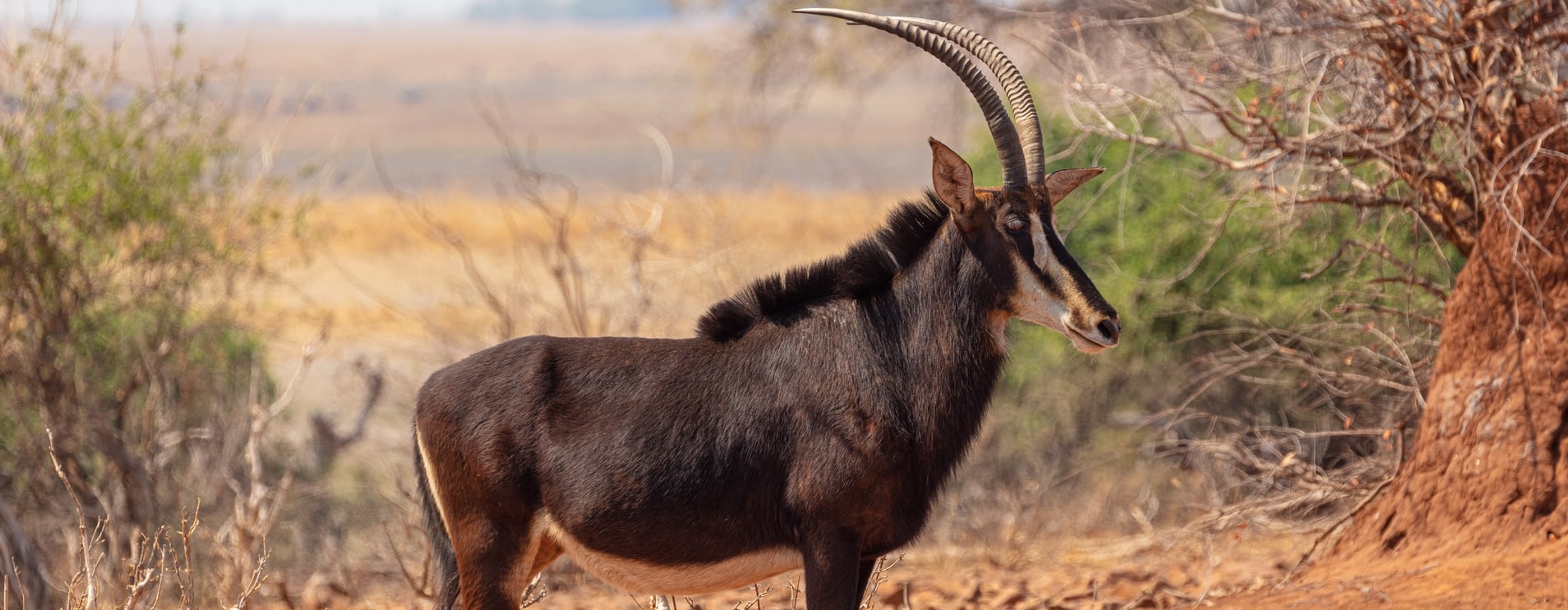
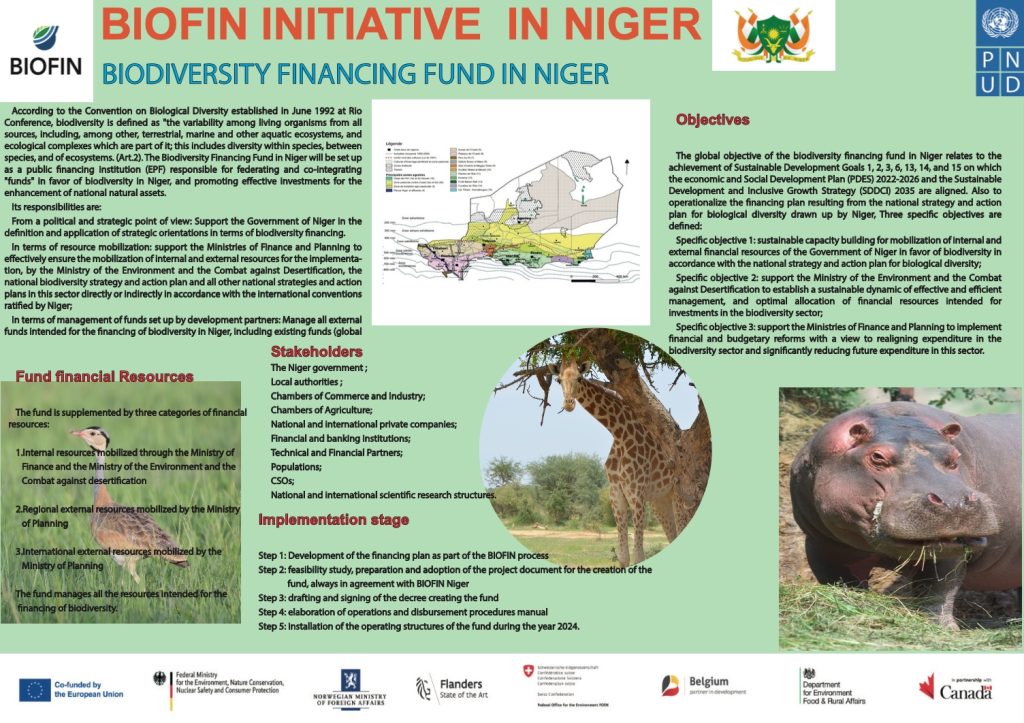
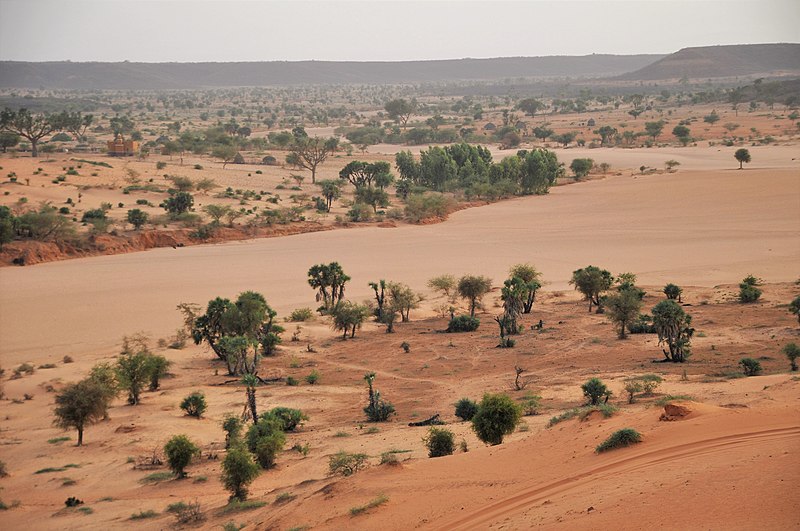
Niger is a landlocked Sahelian country whose economy and rural livelihoods depend heavily on biodiversity and natural resources. Its diverse landscapes range from the Sahara Desert and Sahelian grasslands to wetlands and the Niger River ecosystem, supporting agriculture, livestock, fisheries and other nature-dependent livelihoods. The country is also home to globally important protected areas and wildlife, including the W-Arly-Pendjari Complex and the Aïr and Ténéré Natural Reserves.
Despite its ecological importance, Niger's biodiversity faces significant pressures from land and ecosystem degradation, desertification, climate change, unsustainable natural resource use, habitat loss and increasing pressure on water and land. These challenges directly affect communities whose livelihoods depend on healthy ecosystems and make investment in biodiversity conservation, restoration and sustainable land management increasingly important.
At the same time, limited and fragmented financing constrains the effective management of protected areas and the implementation of national biodiversity priorities. Addressing this financing challenge requires not only mobilizing additional resources, but also improving the effectiveness of existing expenditure and integrating biodiversity into public planning, budgeting and investment decisions.
Through UNDP BIOFIN, Niger is strengthening the evidence base for biodiversity finance and identifying opportunities to mobilize and better align public, private and innovative financial resources with national biodiversity priorities. This work supports the development of practical finance solutions that can help close financing gaps, strengthen ecosystem and protected-area management and ensure that Niger's natural capital continues to support livelihoods, resilience and sustainable development.
Niger is a new BIOFIN country and in the preparatory phase.
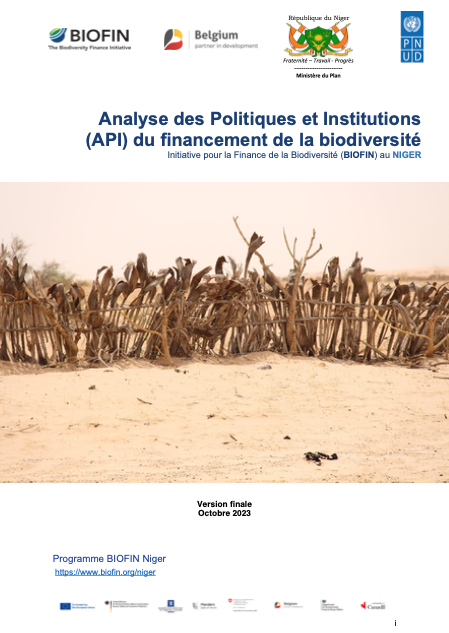
The Policy and Institutional Review (PIR) in Niger highlighted the following results: