BIODIVERSITY FINANCE
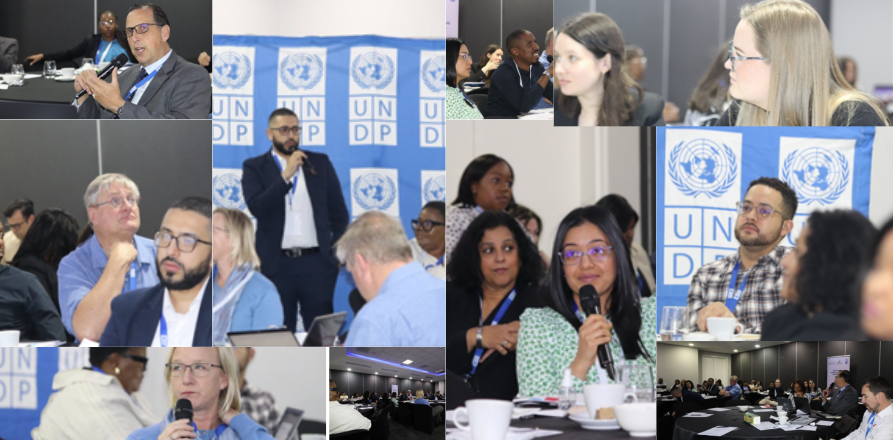
UNDP Hosts First TNFD Training in South Africa
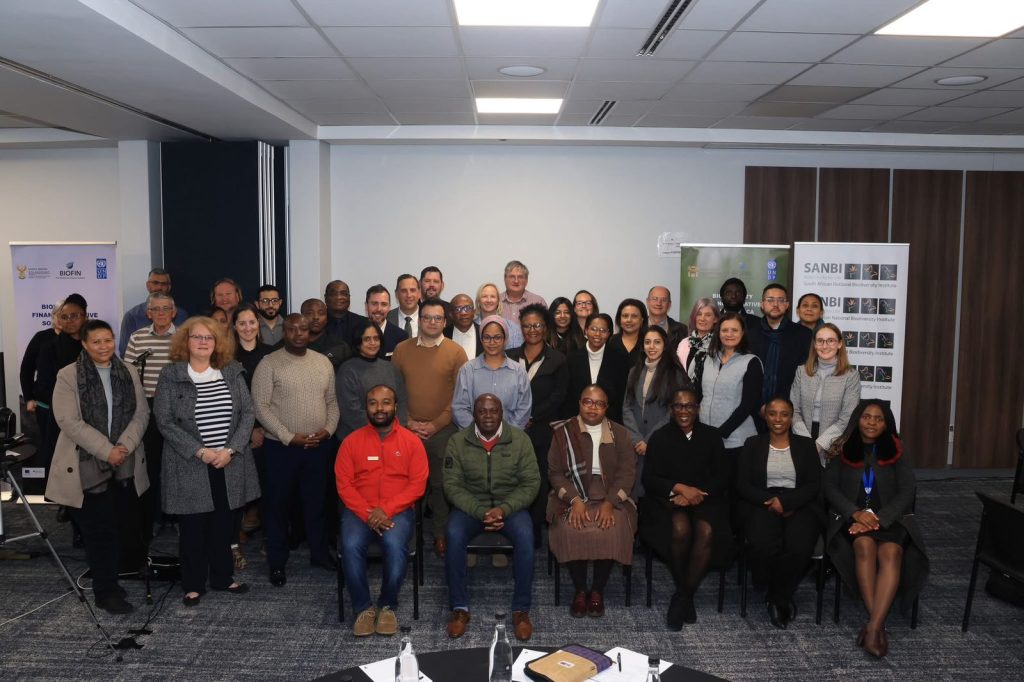
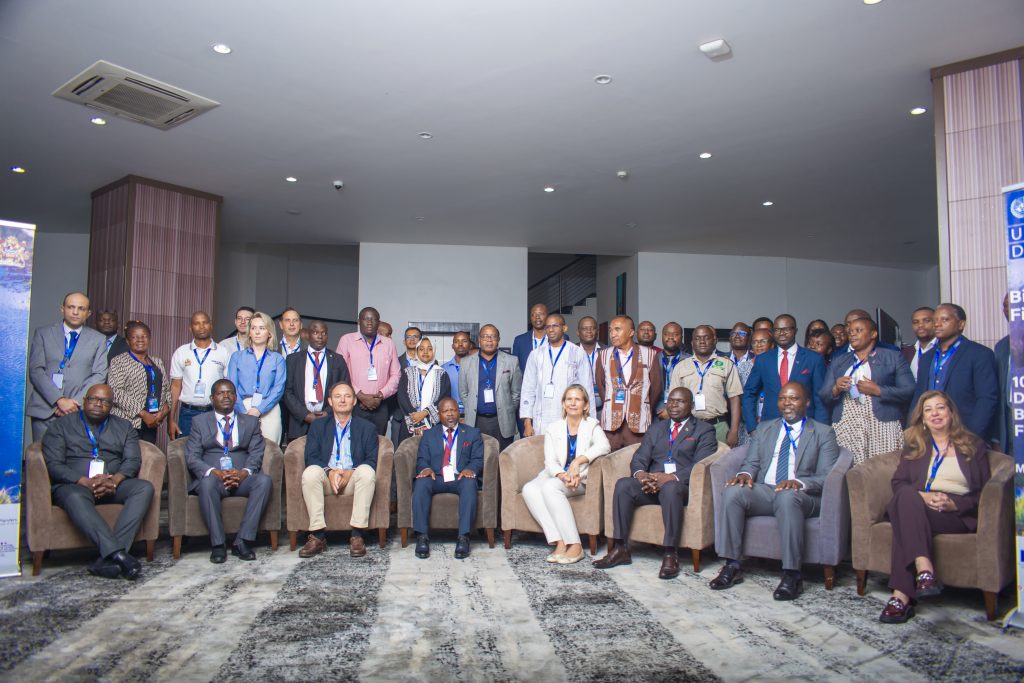
UNDP Hosts First TNFD Training in South Africa Johannesburg, 2025 The United Nations Development Programme (UNDP), in partnership with the…

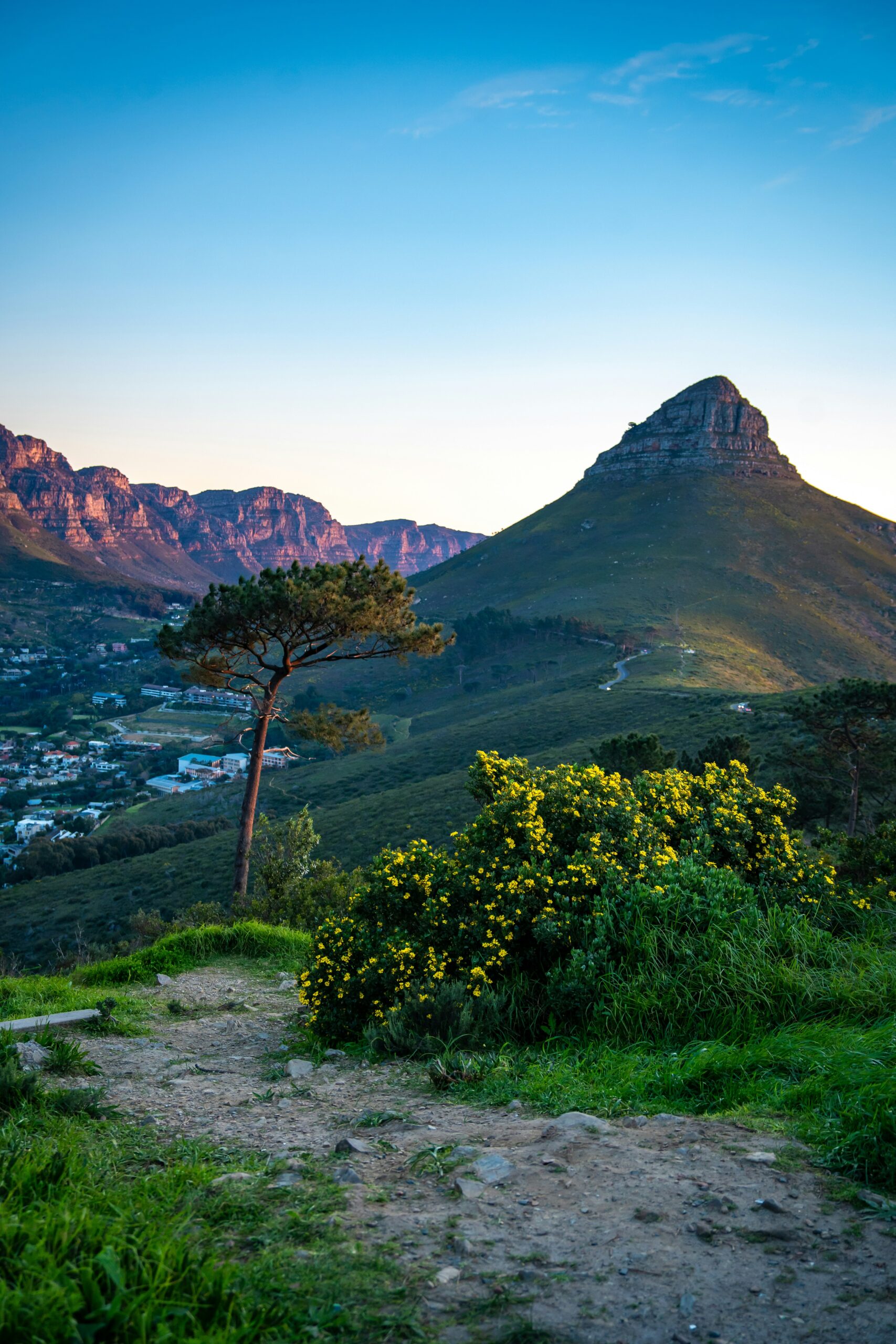



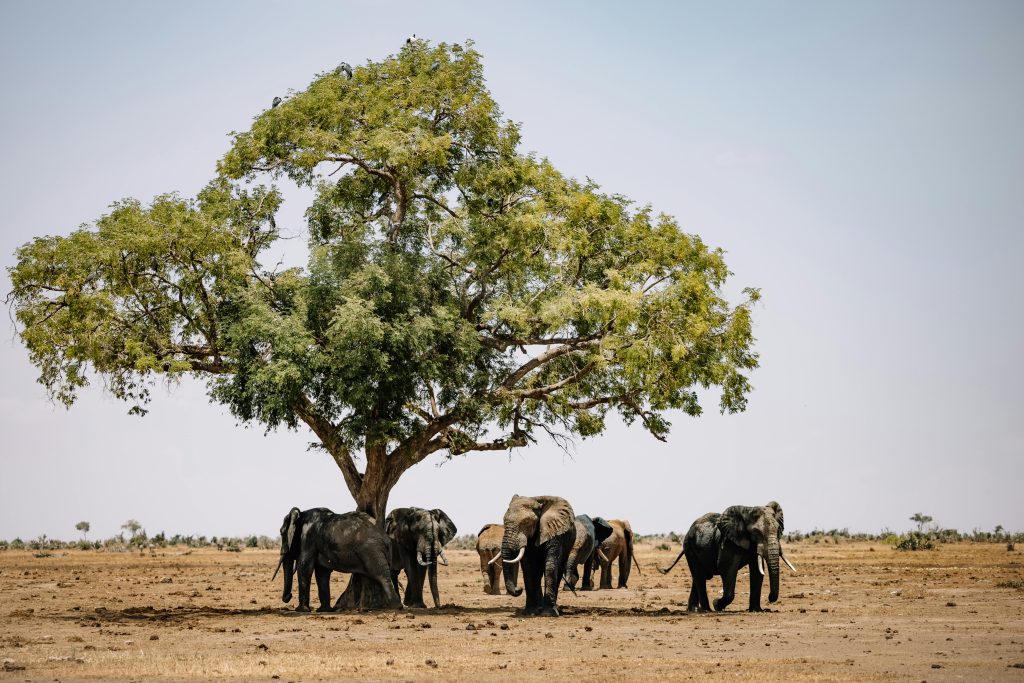
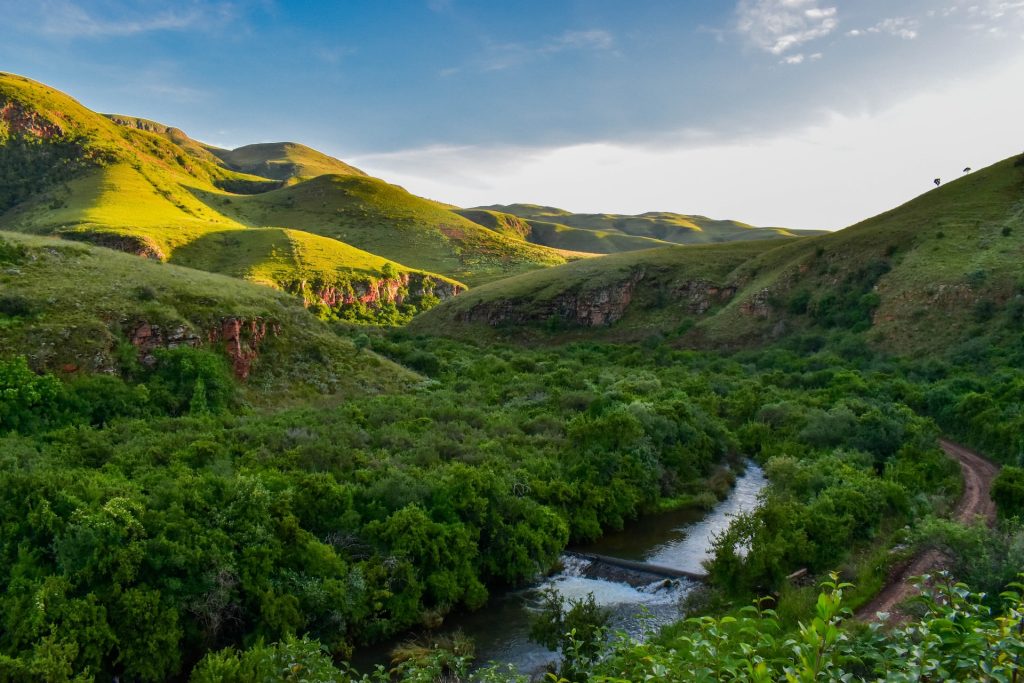
South Africa is one of the world’s most biodiverse countries, characterized by exceptional levels of endemism and ecosystems ranging from forests, grasslands and savannahs to deserts, wetlands, estuaries and marine environments. This natural capital and the ecosystem services it provides underpin major sectors of the economy, including tourism, agriculture, fisheries and forestry, while supporting livelihoods, jobs, water security and the well-being of communities across the country.
Despite its extraordinary natural wealth, South Africa’s biodiversity faces growing pressures from habitat loss and degradation, invasive species, climate change, pollution and unsustainable use of natural resources. At the same time, significant financing is required to effectively manage and restore ecosystems and protected areas. Closing this gap requires not only mobilizing additional resources, but also improving the effectiveness of existing expenditure and better aligning public and private financial flows with biodiversity priorities.
UNDP BIOFIN works with the Government of South Africa and national partners to strengthen the country’s biodiversity finance framework and translate financial analysis into practical solutions. Fifteen finance solutions have been prioritized, with eight being implemented through UNDP BIOFIN, spanning biodiversity offsets, investment in the biodiversity economy, fiscal incentives, protected-area finance, biodiversity-related fees and other mechanisms designed to mobilize resources, reduce costs and improve financial flows for nature.
This work is already generating tangible results. South Africa has established a 17,000-hectare biodiversity offset bank, while the Biodiversity Sector Investment Portal has mobilized approximately US$450,000 for biodiversity-positive projects. Improved application of property-rate exemptions has also generated savings for protected areas, while reforms to biodiversity-related fees and other financial mechanisms are helping strengthen the long-term financial sustainability of conservation.
South Africa has prioritised 15 finance solutions, which collectively aim to address the three main areas of work:
These are the finance solutions that are currently being implemented by the South African country office:
In 2021 and 2022 the BIOFIN South Africa project received funding to undertake two additional studies. Although these two are not full finance solutions, for the purpose of project management and reporting they have been informally dubbed
2025 Key Updates and Results
| Finance Solution | Activity Implementation | Impact | Impact as per BIOFIN Criteria | Investment by BIOFIN | ROI |
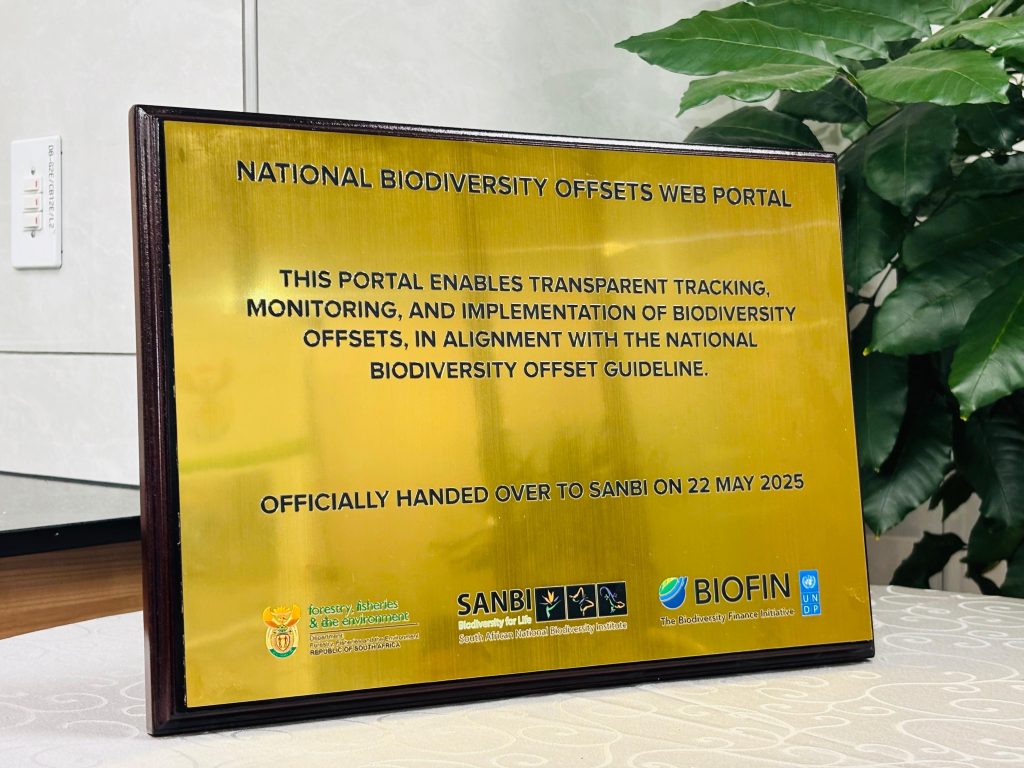
| Improving the effectiveness of biodiversity offsets | 90% complete with only training deliverable outstanding | The establishment of a 17000ha offset bank (new land added to PA) The establishment of a biodiversity proactive banking modality which is now being used in the western cape and by Isimangaliso The 500 ha of the offset bank have been sold | Institutionaliation: SANParks offset policy developedInstitutionalisation: The offset portal and associated costs have been taken over by SANBIFinancial: 500ha of the offset bank have been sold to a wind farmBiodiversity: 500 ha added to Conservation estate | USD150,000 (ZAR2,7M) | ZAR1,6M capital upront and ongoing management fees of ZAR100k increasing at CPIX for 30 years USD 255,555 |
| Biodiversity investment portal | 100% complete | Establishment of South Africa first BSIP. | Institutionalisation: The BSIP has been wholly taken over the GoSA Financial: USD450,000 raised | USD275,0000 | USD450,000 ZAR5,000,000 aloocated by GoSA towards maintenance of site |
| Improving fees for permits | 80% | Increase of fees and permits related to TOPS Ongoing increase of fees for AIS | Financial: 5.6% increase approved by NT | USD95,000 | To be quantified |
| Wildlife Certification scheme | 90% complete | Wildlife Certification scheme has been set up and is ready to deploy | Biodiversity: Institutionalization: A certification body has been set up Institutionalisation: The scheme is part of the Sas biodiversity economy strategy and G20 work | USD185,000 | |
| Rates and taxes for Protected Areas | 100% | Some municipalities have begun correctly implementing section 17 of the MPRA | Financial: USD123,580 SAVED | USD68,571 | USD 123,580 TO DATE |