

Albania
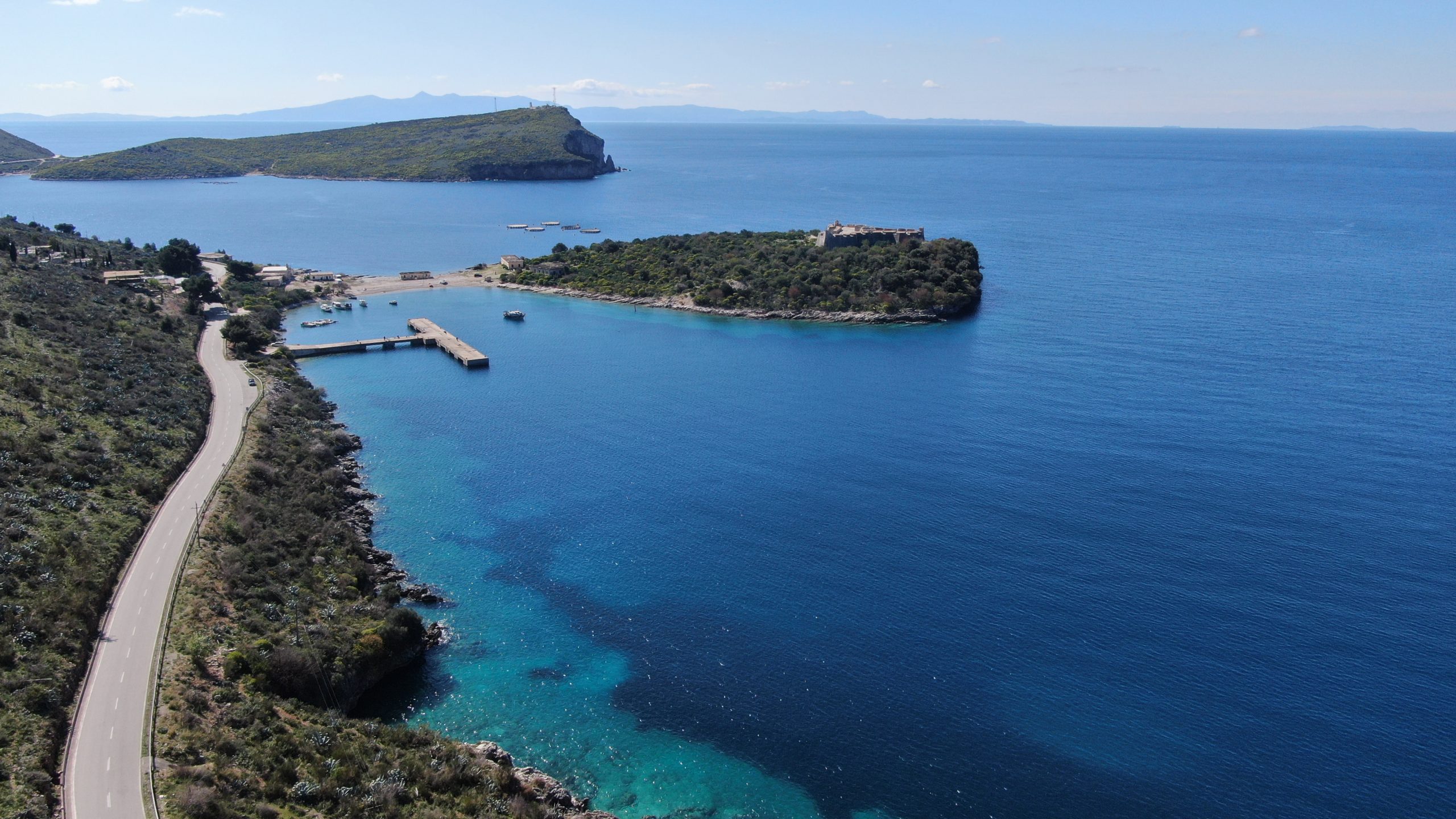
Albania’s relatively small territory hosts a remarkable diversity of ecosystems, shaped by its geographic position between the Adriatic and Ionian Seas, varied topography and Mediterranean climate. Coastal and marine habitats, rivers and freshwater systems, wetlands, forests, mountain landscapes, alpine pastures and karst formations together create a dense mosaic of habitats that support a wide range of plant and animal species across the entire country. While protected areas cover approximately 21.7 percent of the territory and safeguard many important ecosystems, biodiversity is widely distributed beyond these boundaries, embedded in agricultural landscapes, river basins, coastal zones and rural areas where people live and work.
This natural capital is not only a conservation priority, but also a key development asset. Healthy ecosystems support tourism, agriculture, fisheries, forestry, rural development, climate resilience and local livelihoods. At the same time, biodiversity and ecosystem services are increasingly under pressure from habitat degradation, land-use change, infrastructure development, unsustainable tourism, illegal resource extraction, pollution, wildfires and climate change impacts, particularly in coastal zones, river basins and mountain areas.
Addressing these pressures requires effective policies, strong institutions and adequate, well-targeted financing. Biodiversity finance in Albania currently relies on a combination of public budget allocations, protected area-related revenues, donor-funded programmes and project-based investments. However, significant gaps remain in understanding how biodiversity-related resources are allocated, how effectively they are used and which additional or improved finance solutions could support national biodiversity priorities.
Through BIOFIN, Albania is undertaking a structured process to strengthen the evidence base for biodiversity finance and support the development of a national Biodiversity Finance Plan. This process will help identify the policies, institutions, expenditures, financing gaps and opportunities that shape biodiversity finance in the country, providing a foundation for more informed decision-making and targeted finance solutions.
The BIOFIN process in Albania is expected to focus on key sectors with strong links to biodiversity, including tourism, agriculture and energy, while also addressing protected area finance as a cross-cutting issue. It aims to strengthen coordination among public institutions, development partners, civil society and private sector actors, building on existing initiatives and aligning biodiversity finance with national biodiversity priorities, the Kunming-Montreal Global Biodiversity Framework, EU accession-related environmental requirements and Albania’s broader sustainable development agenda
No posts found.
Finance solutions
BIOFIN Albania is currently assessing and developing several finance solution areas, building on existing national UNDP work, ongoing BIOFIN analysis and emerging priorities reflected in Albania’s draft National Biodiversity Strategy and Action Plan. These options will be further reviewed, refined and prioritized through the Biodiversity Finance Plan.
- Protected Area Revenue System Strengthening.: Albania is assessing options to strengthen existing protected area revenue mechanisms, including visitor fees, service-based revenues, digital payments and improved reinvestment of revenues into protected area management. This work builds on previous analysis of protected area financing and revenue collection challenges. Stage: Design / regulatory preparation. Lead agencies and partners: Ministry of Environment, Ministry of Finance, National Agency of Protected Areas, Regional Administrations of Protected Areas.
- Sustainable Tourism Contribution for Biodiversity and Protected Areas: A tourism-based contribution is being explored as a potential mechanism to support biodiversity conservation and protected area management. The aim is to assess whether tourism, as a sector that benefits from and places pressure on natural assets, can contribute more directly to their long-term protection and management. Stage: Idea / feasibility assessment. Lead agencies and partners: Ministry of Environment, Ministry of Finance, National Agency of Protected Areas.
- Marine and Coastal Nature Contribution: Options for a nature-based contribution linked to marine and coastal tourism are being considered, including boating, marina-related activities and visits to coastal and marine protected areas. This potential solution would support the management, monitoring and conservation of marine and coastal ecosystems. Stage: Idea / feasibility assessment. Lead agencies and partners: Ministry of Environment, Ministry of Finance, Ministry responsible for tourism, National Agency of Protected Areas, maritime and port authorities, coastal municipalities, tourism sector actors.
Greening Incentives and Subsidies in Key Sectors: Incentives and subsidies in sectors with strong links to biodiversity, including tourism, agriculture and energy, will be reviewed to identify opportunities to reduce harmful financial flows and strengthen biodiversity-positive incentives. Stage: Diagnostic / under consideration. Lead agencies and partners: Ministry of Environment, Ministry of Finance, line ministries and agencies.
Key results
During the early implementation phase BIOFIN Albania has focused on establishing the institutional and technical foundations for the national biodiversity finance process.
Progress to date includes the establishment of the project team, mobilization of technical expertise, and coordination with the Ministry of Environment to prepare the BIOFIN process. Priority entry points for analysis have been identified, including tourism, agriculture and energy, with protected area finance treated as a cross-cutting theme.
Coordination with Albania’s national biodiversity strategy process is helping ensure that biodiversity finance work is linked to updated national biodiversity priorities, targets and implementation planning. Existing knowledge and experience on protected area finance, including revenue mechanisms, financial planning and regulatory reform options, are also being used to inform the BIOFIN analytical process.
Through the next stages of work, BIOFIN Albania will strengthen the evidence base for biodiversity finance, identify financing needs and gaps, and support the development of a national Biodiversity Finance Plan. This will help identify priority finance solutions, improve coordination among environment, finance and sector institutions, and support the integration of biodiversity finance into national planning, budgeting and sector policy processes.