
Sierra Leone
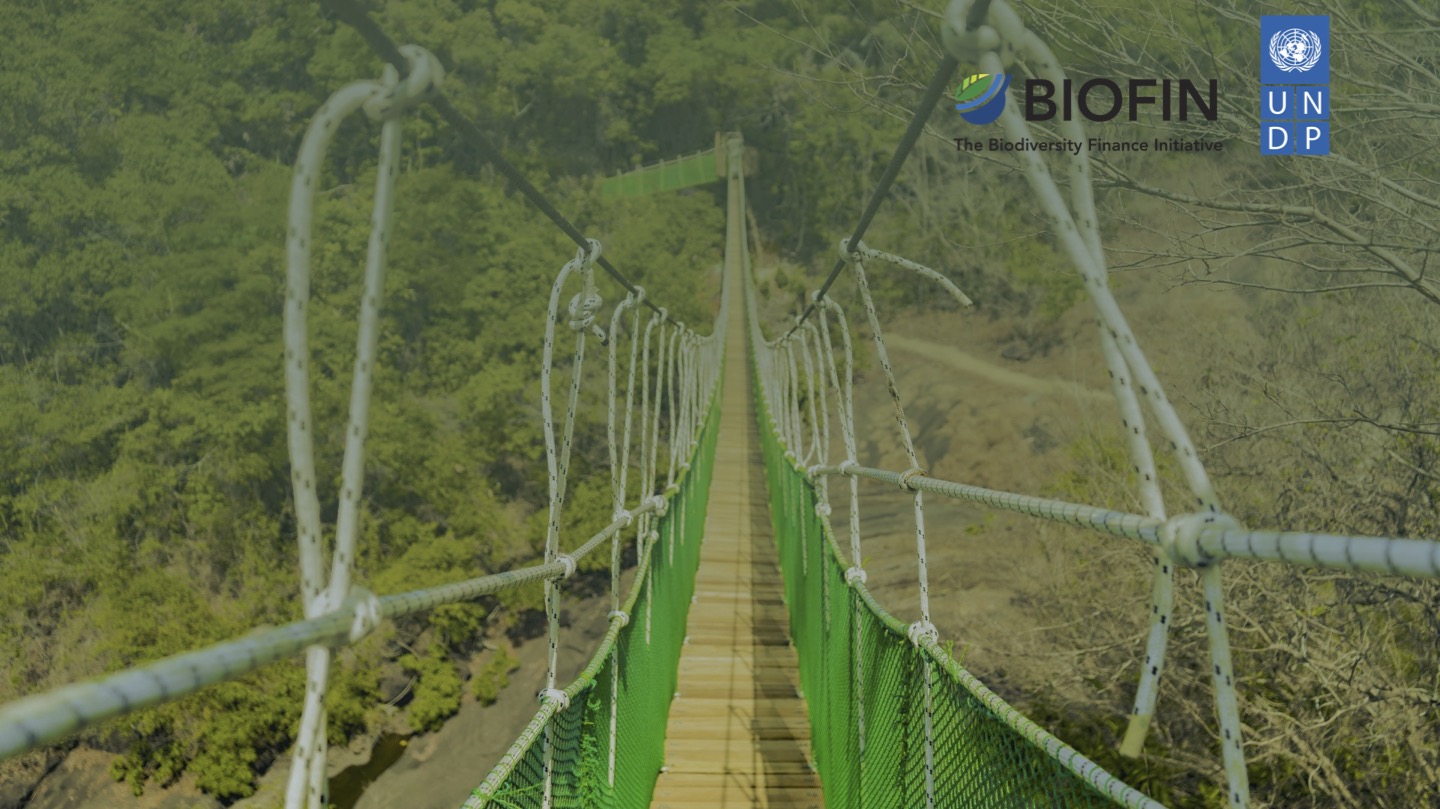
Sierra Leone is part of the Upper Guinean Forest ecosystem and is home to diverse forests, mangroves, wetlands, coastal ecosystems and mountainous landscapes. These ecosystems are important national assets, supporting agriculture, fisheries, water security, climate resilience, tourism and rural livelihoods. However, biodiversity is increasingly under pressure from deforestation, land degradation, mining, agricultural expansion and climate change.
Biodiversity finance currently comes from a combination of government budgets, international development and climate finance, conservation programmes, private-sector investment and other mechanisms. However, these financial flows remain fragmented, and strengthening domestic resource mobilization and the effectiveness of existing expenditure will be important for implementing Sierra Leone’s biodiversity priorities.
UNDP BIOFIN is supporting Sierra Leone to develop its first Biodiversity Finance Plan and strengthen the evidence base for biodiversity finance decision-making. The process will examine the policies and institutions influencing biodiversity finance, track public and private biodiversity-related expenditure, assess financing needs and gaps, and review subsidies and incentives with potential impacts on nature.
The Biodiversity Finance Plan will use this evidence to identify and prioritize practical finance solutions that can improve the use of existing resources and mobilize additional public, private and international finance for nature. The process will support implementation of Sierra Leone’s NBSAP III 2026–2035 and the Kunming–Montreal Global Biodiversity Framework, while strengthening the integration of biodiversity into national planning and public finance.
No posts found.
Finance solutions
Based on the Policy and Institutional Review, Sierra Leone is assessing a portfolio of biodiversity finance solutions to improve the effectiveness of existing resources, strengthen domestic resource mobilization and provide more sustainable financing for national biodiversity priorities.
1. Biodiversity Budget Tagging and Outcome-Based Budgeting
Develop a system to identify, track and report biodiversity-related expenditure across government ministries, departments and agencies. The approach would improve the visibility of biodiversity spending and strengthen the link between public expenditure and the priorities and outcomes of NBSAP III and the Kunming–Montreal Global Biodiversity Framework. Stage: Design
2. Retaining and Reinvesting Biodiversity Revenues
Strengthen arrangements to retain and reinvest revenues generated from environmental and biodiversity-related activities. The solution would explore ways to ensure that a greater share of relevant revenues supports conservation, ecosystem restoration, compliance, and biodiversity management rather than being fully absorbed into general government revenues. Stage: Under Consideration / Design
3. Strengthening the Conservation Trust Fund
Strengthen and capitalize Sierra Leone’s existing Conservation Trust Fund as a long-term national financing mechanism for biodiversity. The Fund could potentially pool resources from government allocations, international finance, private-sector contributions and other appropriate biodiversity-related revenue streams to support conservation priorities. Stage: Design / Strengthening Existing Mechanism
Key results
Establishing National Governance for Biodiversity Finance
Following the launch of UNDP BIOFIN in Sierra Leone in October 2025, a Project Steering Committee was established, co-chaired by the Ministry of Finance, the Ministry of Environment and Climate Change, and UNDP. The Committee provides strategic direction to the BIOFIN process and has validated the project’s 2026 workplan and priority areas.
Strengthening Technical and Cross-Sector Coordination
A multi-stakeholder BIOFIN Technical Working Group has been established, bringing together government institutions, civil society, academia and other stakeholders. The group provides technical oversight, facilitates coordination and supports the data-sharing arrangements required for biodiversity finance assessments.
Completing the Policy and Institutional Review
Sierra Leone has completed its Policy and Institutional Review, assessing the policies, legislation, institutions and planning frameworks that influence biodiversity and its financing. The review identified policy and institutional gaps as well as opportunities to improve coordination, strengthen resource mobilization and mainstream biodiversity across sectors.
Advancing Biodiversity Expenditure Tracking
BIOFIN is working with the Ministry of Finance to strengthen budget tagging and expenditure tracking, including the identification of biodiversity-related expenditure within the national budget system. This work can improve the visibility, transparency and effectiveness of public finance for biodiversity.
Identifying Potential Biodiversity Finance Solutions
The Policy and Institutional Review has identified opportunities to strengthen biodiversity finance, including biodiversity budget tagging, improved retention and reinvestment of biodiversity-related revenues, and strengthening the Conservation Trust Fund. These options will be further assessed and developed through the BIOFIN process.
Building National Capacity for Biodiversity Finance
Technical workshops and consultations have engaged government institutions, civil society, academia, NGOs and private-sector stakeholders, strengthening understanding of biodiversity finance and its links with national planning, budgeting and implementation of NBSAP III 2026–2035.