
A debt to be paid
For A.G. Dissanayake, the morning began with counting his cattle. One was missing.
He found her near the tree line, already dead. Around her, the tracks told the story. A leopard had come down from the rocks during the night. For Dissanayake, it was not simply the loss of a cow. It was income gone in a single night. A debt still needed to be paid.
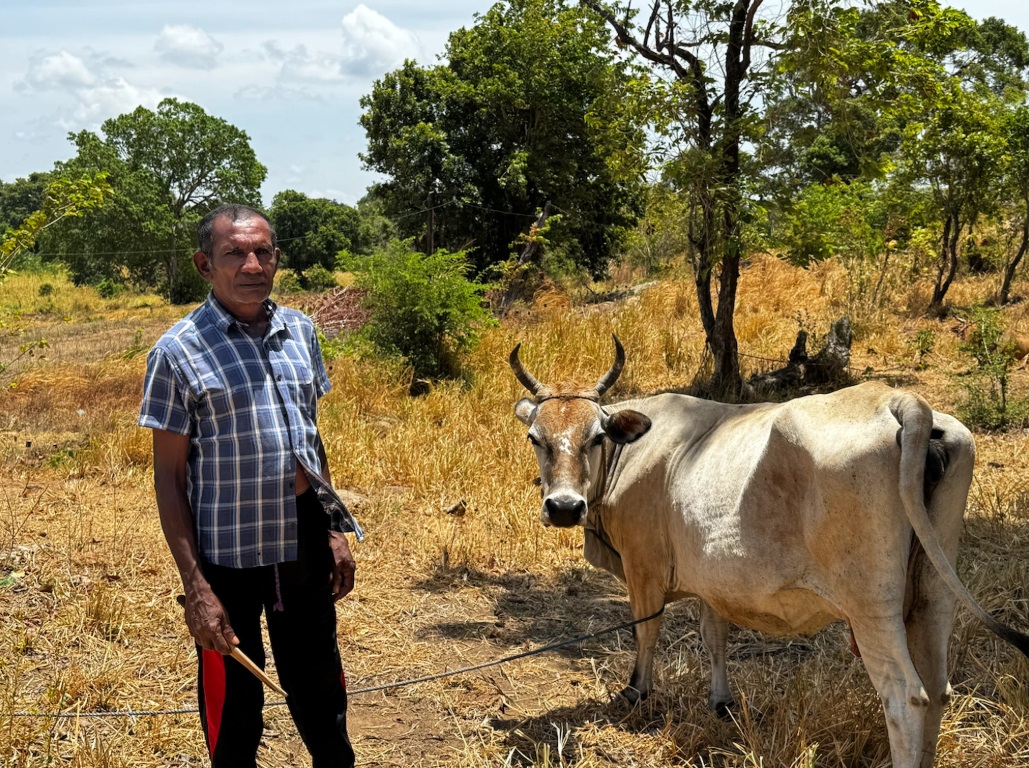
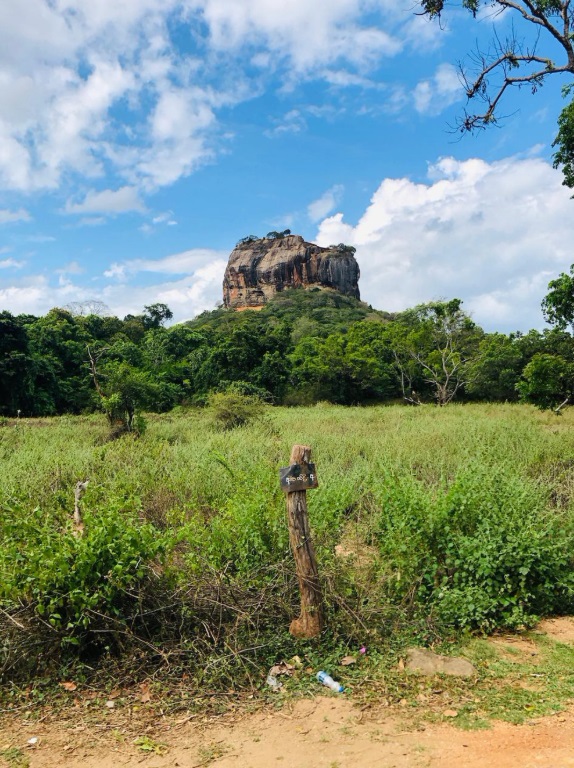
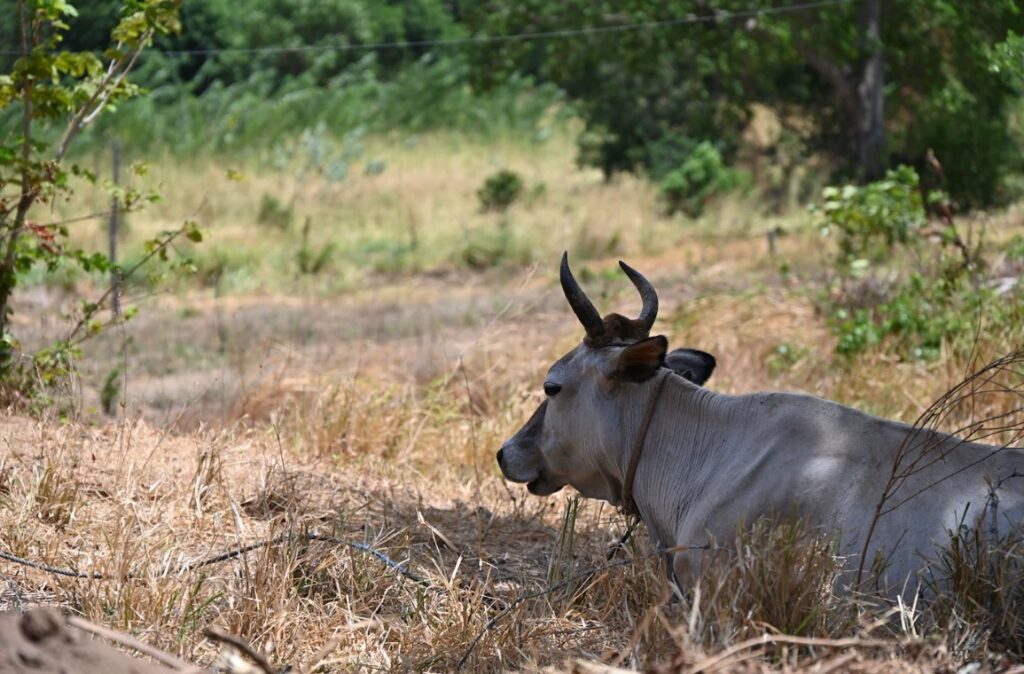
Farmers around Sigiriya have lived alongside leopards for generations. Losing a cow can mean losing a significant part of a household’s income or savings. For a leopard, the consequences can be fatal.
Leopards often return to feed on a carcass. Some farmers poison it to prevent further attacks, putting the leopard at risk of severe illness or death.
In conversations about livestock losses, there can be a careful silence. Farmers may describe a missing animal, a leopard sighting or an attack on the herd. But when the conversation turns to what happens afterwards, voices become quieter.
In Sigiriya, the Wildlife and Nature Protection Society (WNPS) has documented frequent livestock predation near protected areas. Its research has also found that many incidents are not officially reported.
Insurance offers a way forward
For years, a farmer who lost an animal to a leopard had little reason to see the encounter as anything other than a loss. Months before his cow was killed, Dissanayake’s village had been introduced to a new livestock insurance scheme. The idea was straightforward: when a farmer loses livestock to leopard predation, the loss can be reported, verified and compensated.
Hope is not lost
The scheme, the first of its kind in Sri Lanka, was launched by the UNDP Biodiversity Finance Initiative (UNDP BIOFIN), in partnership with WNPS and LOLC Insurance, under the guidance of the Department of Wildlife Conservation.
UNDP BIOFIN covers the insurance premiums, while LOLC Insurance provides the coverage. By helping farmers recover financially from livestock losses, the scheme aims to reduce the risk of retaliatory killings and support coexistence with leopards.
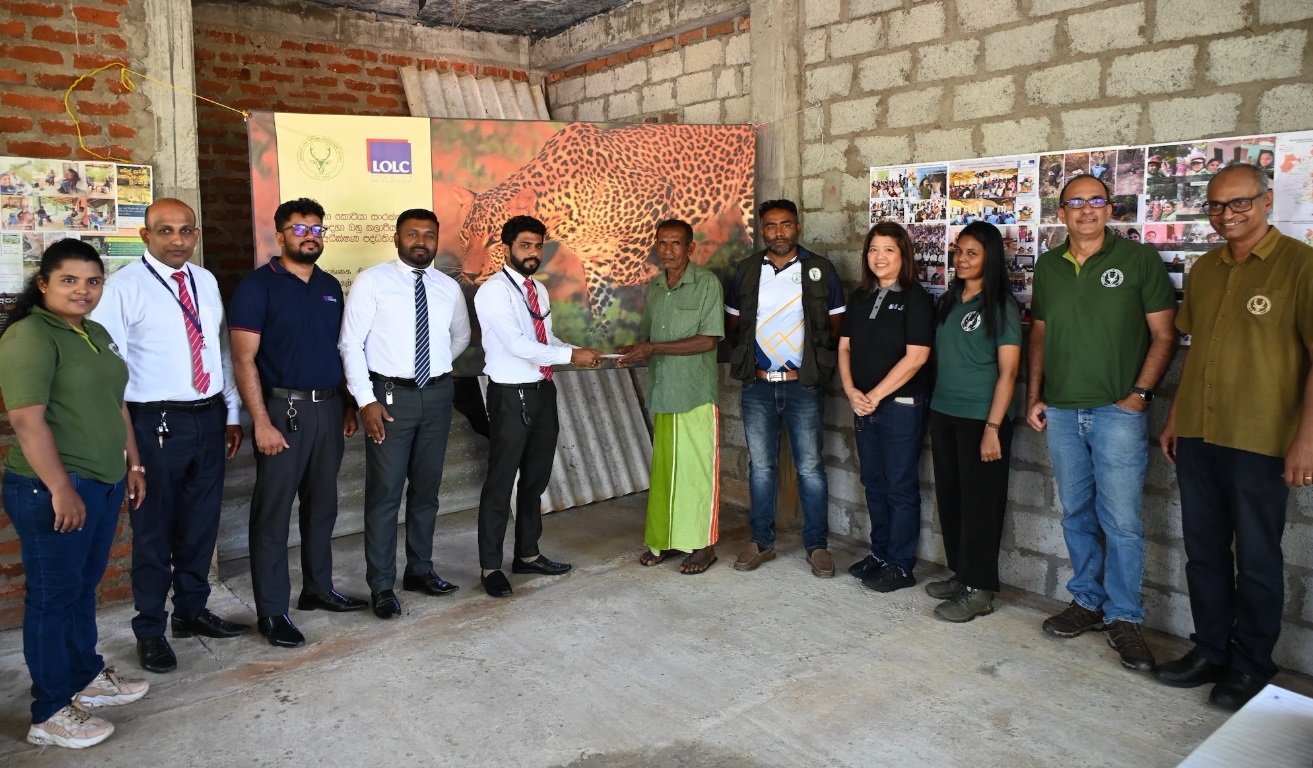
For Dissanayake, its value goes beyond compensation.
“An initiative like this helps protect the leopards in the wild while also ensuring that farmers and their livestock are taken care of.”
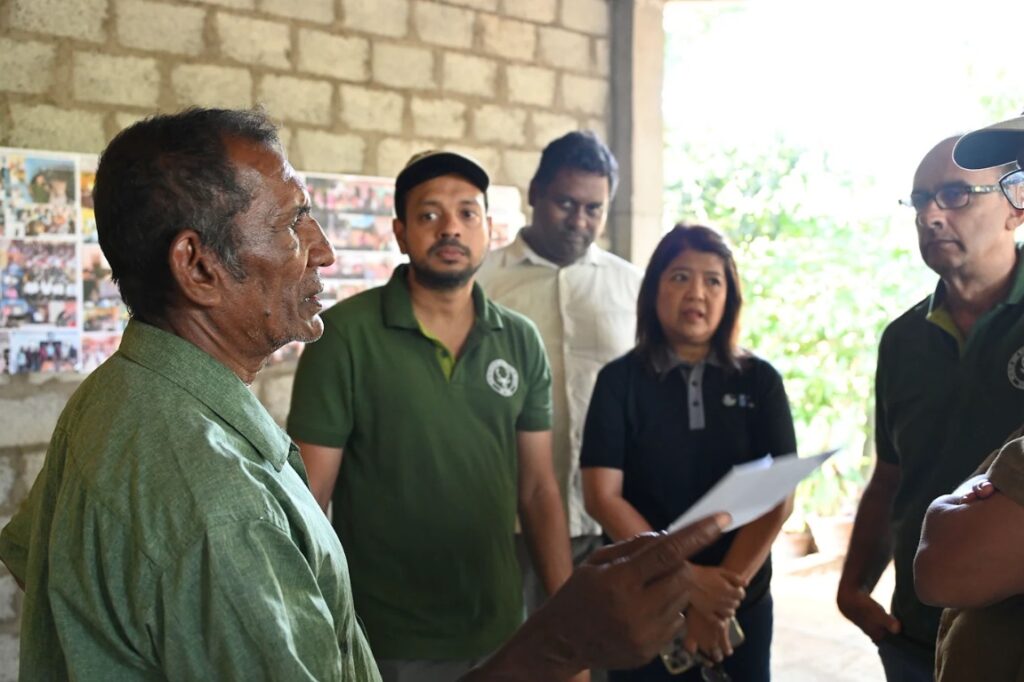
So, when Dissanayake’s cow was killed, he reported it. A team from the Department of Wildlife Conservation, supported by veterinary and Grama Niladhari officers, came to assess the incident. His claim was approved. It became the first successful claim under the pilot.
“I did not expect it to happen so smoothly,” —Dissanayake said.
Under the scheme, approved claims are paid within 72 hours, helping farmers manage the immediate financial shock of losing livestock.
“When livestock are insured, farmers have less reason to harm leopards in an attempt to prevent another attack,” Dissanayake says with relief.
Part of the same story
Dissanayake is just one of 1,556 farmers in the area who can now sleep a little easier at night, knowing their livelihoods are better protected through this scheme.
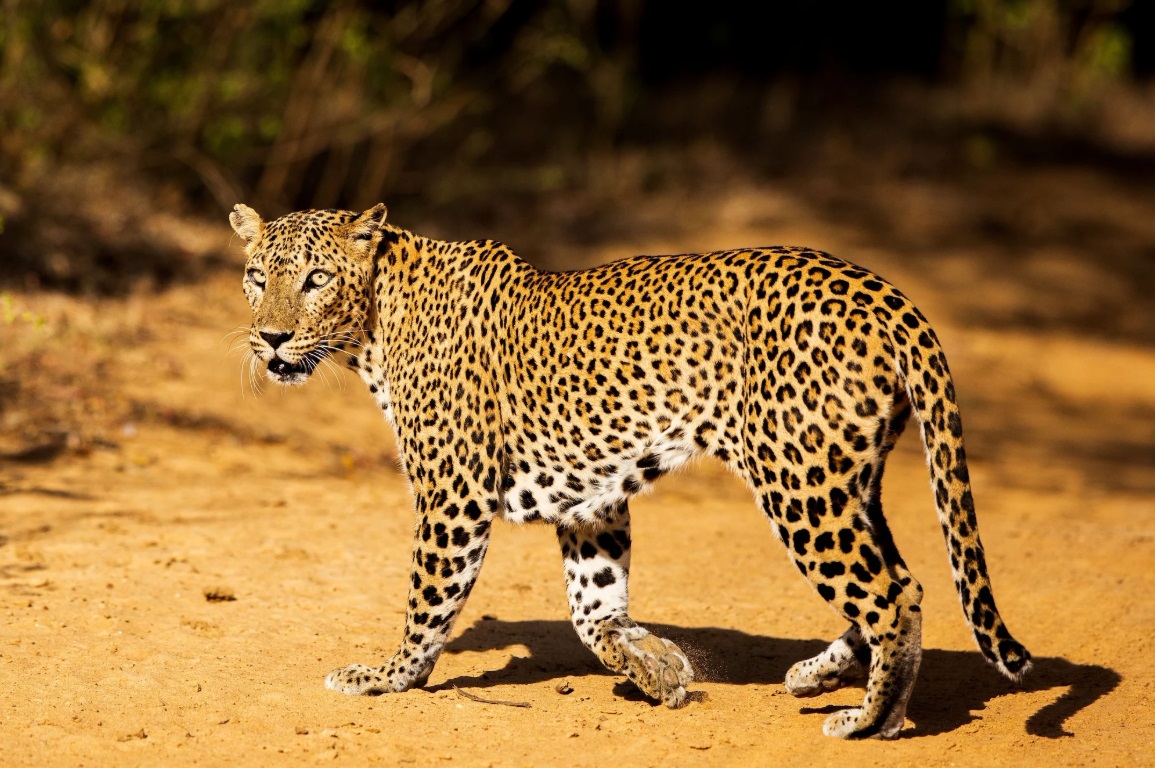
The Sri Lankan leopard is part of the island’s natural heritage. It is also part of the economy that has grown around Sri Lanka’s wildlife, drawing visitors to its national parks.
For Dissanayake, protecting the herd and protecting the leopard are no longer necessarily two different goals. They can be part of the same story.
Adapted from a story originally published by UNDP Sri Lanka.