
NEWS
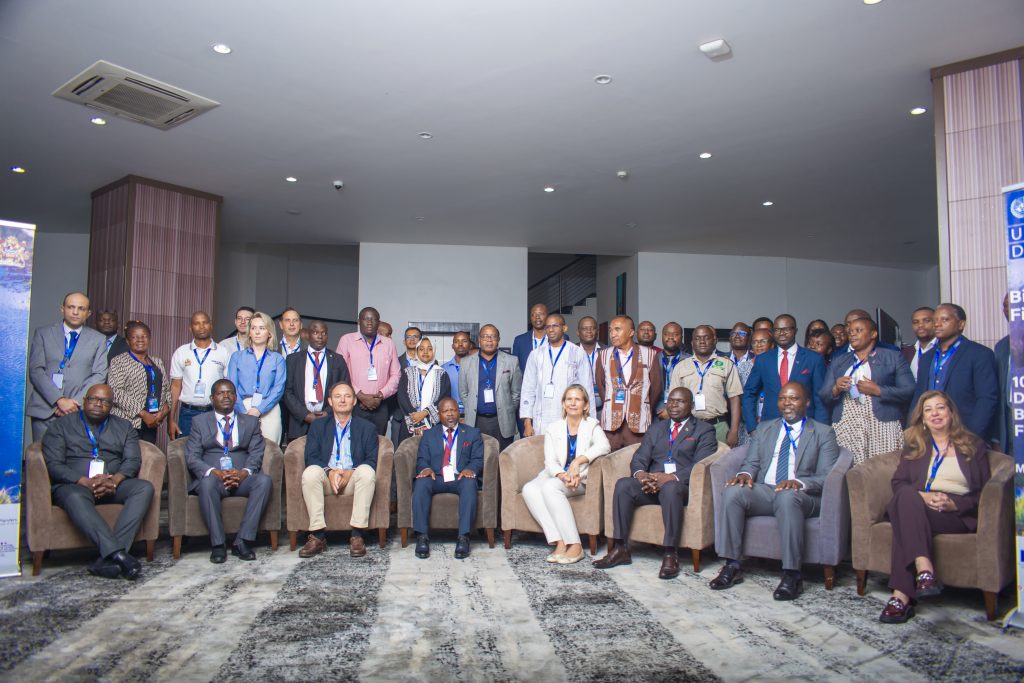
Advancing Biodiversity Conservation: 10th Africa Regional Dialogue on Biodiversity Finance
3 April 2024 – Blantyre: Planet Earth requires approximately US$ 950 billion annually for the restoration and protection of its…
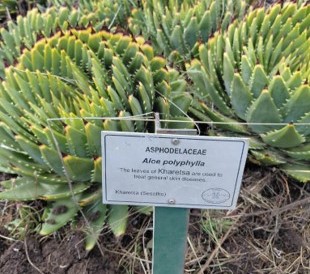
Ethiopia is one of Africa’s most biodiversity-rich countries, with ecosystems ranging from highland forests and wetlands to drylands, freshwater systems and diverse agricultural landscapes. These ecosystems support rural livelihoods, food and water security, climate resilience and economic development. However, habitat loss, land degradation, climate change, unsustainable resource use and ecosystem fragmentation are placing biodiversity under increasing pressure.
Financing for biodiversity conservation and sustainable management remains insufficient relative to the country’s needs. Resources are distributed across multiple institutions and programmes, making it difficult to track expenditure, identify financing gaps and assess how effectively available funding supports national biodiversity priorities.
Current financing comes from government budgets, international development assistance, multilateral and bilateral funds, community-based initiatives and other environmental programmes. These resources support protected areas, forests, ecosystem restoration and sustainable natural resource management. Ethiopia is also exploring approaches such as payments for ecosystem services, green financial instruments, biodiversity-related investment and stronger private-sector participation.
UNDP BIOFIN is supporting Ethiopia in developing a more coordinated and evidence-based approach to biodiversity finance. Through the Policy and Institutional Review, Biodiversity Expenditure Review and Financial Needs Assessment, the initiative is examining the country’s policies, institutions, expenditure and financing needs. The findings will inform a Biodiversity Finance Plan that identifies practical solutions to improve existing expenditure and mobilize additional resources for the National Biodiversity Strategy and Action Plan and the Kunming–Montreal Global Biodiversity Framework.
Since its launch, UNDP BIOFIN in Ethiopia has completed and validated the Policy and Institutional Review and advanced the Biodiversity Expenditure Review, including data collection and analysis across relevant sectors. A national Steering Committee and Technical Working Group have been established to strengthen coordination, while consultations and capacity-building activities have increased understanding and ownership of the biodiversity finance process. Work has also begun to identify potential finance solutions, including green bonds and other sustainable finance instruments, which will be further assessed through the development of Ethiopia’s Biodiversity Finance Plan.hnical support from the United Nations Development Programme (UNDP), BIOFIN is helping the country identify, mobilise and manage financial resources needed to implement NBSAP III and achieve the targets of the Kunming–Montreal Global Biodiversity Framework.
Since the programme's inception, BIOFIN has successfully completed the Policy and Institutional Review (PIR), providing an assessment of Lesotho's biodiversity finance policy, institutional and governance landscape. The programme is currently undertaking the Biodiversity Expenditure Review (BER), which is analysing public and private expenditure on biodiversity across government institutions, civil society, development partners and private sector with the aim of identifying trends, financing gaps and opportunities to improve the effectiveness and efficiency of biodiversity investment.
Green bond market development
UNDP BIOFIN is supporting the introduction of green bonds into Ethiopia’s emerging capital market, with a focus on mobilizing finance for biodiversity and nature-positive investment.
The initiative includes support for a pilot green bond issuance of up to US$50 million by the Development Bank of Ethiopia, with a proposed target of allocating 30 percent of the proceeds to biodiversity and nature-positive investments. Support covers the development of a Green Bond Framework, governance arrangements, project-pipeline assessment and development, institutional capacity-building and transaction advisory services.
The framework will define eligible investment categories, decision-making responsibilities, monitoring and reporting requirements, and external verification standards aligned with international good practice. Beyond the pilot issuance, the initiative aims to strengthen Ethiopia’s sustainable-finance environment and help develop a pipeline of investment-ready biodiversity projects. The project aims to showcase the pilot by COP32 in November 2027.
Stage: Design
Lead institutions and partners: Ministry of Finance, Development Bank of Ethiopia, Ethiopian Capital Market Authority, Ethiopian Securities Exchange, UNDP BIOFIN and development partners.
Funding: Norwegian Agency for Development Cooperation.
Progress to date
UNDP BIOFIN has begun building the evidence, coordination mechanisms and partnerships required to strengthen biodiversity finance in Ethiopia.
1. Policy and institutional framework assessed
The Policy and Institutional Review has been completed and validated. It identified opportunities to improve policy coherence, clarify institutional responsibilities and better integrate biodiversity into national planning and financing systems.
2. Biodiversity expenditure assessed
The Biodiversity Expenditure Review has [been completed/reached an advanced stage], improving understanding of biodiversity-related expenditure across relevant sectors. The findings will help identify spending patterns, financing gaps and opportunities to increase the effectiveness of existing investment.
3. National coordination mechanisms established
A national Steering Committee and Technical Working Group have been established to guide the UNDP BIOFIN process. Consultations and capacity-building activities have strengthened collaboration among government institutions, development partners, financial-sector organizations and other stakeholders.
4. Green bond initiative advanced
UNDP BIOFIN is supporting the Development Bank of Ethiopia in designing a pilot green bond issuance of up to US$50 million. The proposed structure would allocate 30 percent—up to US$15 million—to biodiversity and nature-positive investments.
Work includes developing the Green Bond Framework, governance arrangements, investment pipeline, monitoring and reporting requirements, and institutional capacity needed for a potential issuance. As the bond has not yet been issued, these figures represent proposed targets rather than finance mobilized.
Expected results
1. National Biodiversity Finance Plan developed
The Biodiversity Finance Plan will provide a roadmap for addressing Ethiopia’s biodiversity finance gap. It will identify financing needs, assess existing resources and prioritize practical solutions to improve expenditure and mobilize additional finance.
2. Biodiversity integrated into financial decisions
The initiative aims to strengthen the integration of biodiversity into national development planning, public budgets, investment decisions and financial-sector strategies. This includes improving alignment among government resources, development finance and private investment.
3. Policy and institutional environment strengthened
Expected results include:
4. Finance solutions developed
Alongside the green bond initiative, the Biodiversity Finance Plan is expected to assess options including biodiversity budget tagging, expenditure realignment, payments for ecosystem services, Access and Benefit-Sharing, blended finance, carbon finance with biodiversity benefits, and financing for protected areas and ecosystem restoration.
5. National capacity and partnerships strengthened
UNDP BIOFIN aims to improve the capacity of national institutions to analyse, plan and manage biodiversity finance. It will also strengthen collaboration among government, financial institutions, development partners, businesses, research organizations, civil society and communities.
No posts found.