Consisting of Eurasia's most Southern Peninsular and the northern part of the Island of Borneo, Malaysia is one of the world's 18 megabiodiverse countries. The country is home to over 150,000 species of invertebrates, more than 15,000 vascular plants and 306 mammal species, including the endangered Malayan Tiger and up to 1,200 of the last remaining critically endangered Asian Elephants. Over a thousand other species in the country are categorised as threatened. Around 60% of its land is forested and 11% is part of the protected area system. Marine protected areas encompass around 250,000 hectares.
$215M
Ecological Fiscal Transfers
Allocated to Malaysian states for biodiversity conservation between 2019 and 2024 through the Ecological Fiscal Transfer mechanism.
350K ha
Protected Areas
New protected areas supported through Ecological Fiscal Transfers, including 250,000 hectares of marine protected areas.
60%
Forest Cover
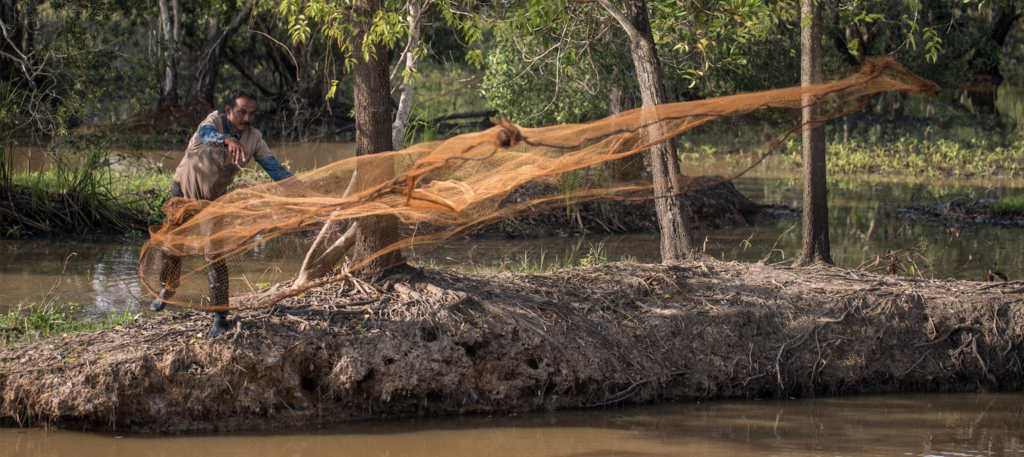
Around 60% of Malaysia's land area remains forested.
Malaysia pioneered the use of Ecological Fiscal Transfers (EFTs) to reward states for conserving biodiversity and protected areas. BIOFIN supported the design of the policy, analytical studies, and technical guidance that helped institutionalize the mechanism. Since its introduction in 2019, more than MYR 530 million (approximately US$120 million) has been allocated to states, contributing to the expansion of approximately 350,000 hectares of protected areas, including more than 250,000 hectares of marine protected areas. BIOFIN continues to support improvements to the allocation formula and implementation framework to maximize conservation outcomes.
Finance Solution 2: Innovation Challenge Fund for Biodiversity
BIOFIN proposed the establishment of an Innovation Challenge Fund to finance innovative biodiversity conservation projects. The fund is designed to catalyze partnerships with universities, civil society, entrepreneurs, and the private sector by supporting scalable solutions that generate environmental and socio-economic benefits.
Finance Solution 3: Voluntary Finance Standards for the Financial Sector
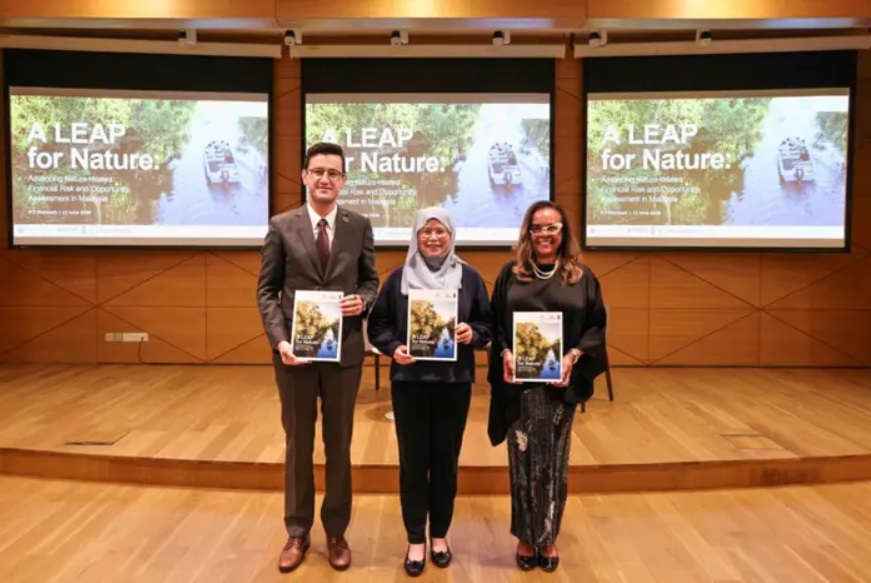
BIOFIN has worked to strengthen the integration of biodiversity into Malaysia's financial sector by promoting voluntary biodiversity finance standards. This work has recently expanded through collaboration with Bank Negara Malaysia and the World Bank on nature-related financial risk assessments, helping financial institutions better identify, manage, and disclose nature-related risks and opportunities.
Finance Solution 4: Biodiversity Criteria in Green Government Procurement
BIOFIN supports the integration of biodiversity considerations into Green Government Procurement (GGP), encouraging public procurement to favor products and services that reduce impacts on biodiversity. By embedding biodiversity criteria into government purchasing, the initiative helps create market demand for sustainable production and strengthens incentives for environmentally responsible businesses.
Finance Solution 5: National Conservation Trust Fund Coordination
BIOFIN promotes stronger coordination between Malaysia's National Conservation Trust Fund (NCTF) and other environmental trust funds to improve the efficiency, transparency, and strategic allocation of biodiversity finance. This helps avoid duplication, align investments with national priorities, and maximize conservation outcomes.
Key results
Scaling Ecological Fiscal Transfers
Malaysia has become a global leader in using Ecological Fiscal Transfers (EFTs) to incentivize biodiversity conservation. Since the introduction of the mechanism in 2019, the federal government has allocated more than US$215 million to states based on their conservation performance. BIOFIN supported the development and strengthening of the EFT mechanism, helping align fiscal incentives with biodiversity outcomes. The programme has contributed to the expansion of approximately 350,000 hectares of protected areas, including more than 250,000 hectares of new marine protected areas, while encouraging states to invest in long-term conservation.
Strengthening Biodiversity Finance Planning
BIOFIN completed the Policy and Institutional Review (PIR), Biodiversity Expenditure Review (BER), Financial Needs Assessment (FNA), and Biodiversity Finance Plan (BFP), providing Malaysia with a comprehensive roadmap to close its biodiversity finance gap. The Biodiversity Finance Plan identified nine priority finance solutions to diversify funding sources, strengthen public finance, and mobilize private investment for biodiversity conservation.
Mobilizing Innovative Finance for Nature
BIOFIN has supported the design and implementation of innovative biodiversity finance mechanisms that go beyond traditional public funding. These include strengthening ecological fiscal transfers, improving conservation trust fund financing, promoting biodiversity-friendly tourism financing, and exploring private sector investment opportunities. Together, these approaches are helping create a more diversified and sustainable financing system for biodiversity.
Mainstreaming Biodiversity into Public Finance
BIOFIN has helped integrate biodiversity considerations into Malaysia's public finance system by strengthening collaboration between federal and state governments. Through improved expenditure tracking, policy reforms, and fiscal incentives, biodiversity conservation is increasingly incorporated into government planning and budgeting, ensuring that financial resources are directed toward priority ecosystems and protected areas.
Malaysia has become a global leader in using Ecological Fiscal Transfers (EFTs) to incentivize biodiversity conservation. Since the introduction of the mechanism in 2019, the federal government has allocated more than approximately US$215 million to states based on their conservation performance. BIOFIN supported the development and strengthening of the EFT mechanism, helping align fiscal incentives with biodiversity outcomes. The programme has contributed to the expansion of approximately 350,000 hectares of protected areas, including more than 250,000 hectares of new marine protected areas, while encouraging states to invest in long-term conservation.
Key documents
A Biodiversity Expenditure Review is focused on all types of expenditure contributing to sustainable biodiversity protection and management. Along with the public-sector expenditures, private sector spending and spending by international donor organizations, and NGOs are analyzed. Based on these analyses, there are calculated total expenditure figures, useful to summarize the BD financing trends and status on national level.
A Financial Needs Assessment is a comprehensive estimate and analysis of the financial resources needed to fully implement the biodiversity-related activities in a country to achieve its national and sub-national biodiversity targets. By comparing the expenditure on biodiversity as identified in the Biodiversity Expenditure Review to the financial needed analyses based on organisations sampled, the financing gap is estimated to better inform the development of the Biodiversity Finance Plan which helps prioritising of biodiversity strategies and actions and build strong case for resource mobilisation.
The Biodiversity Finance Plan, builds upon on the Biodiversity Expenditure Review and the Financial Needs Assessment, is an 8-year resource mobilisation plan to make biodiversity financing a national priority and biodiversity needs are fully address in a timely and appropriate manner by 2025. It proposed nine innovative solutions to address biodiversity financing needs and achieve the National Policy on Biological Diversity.
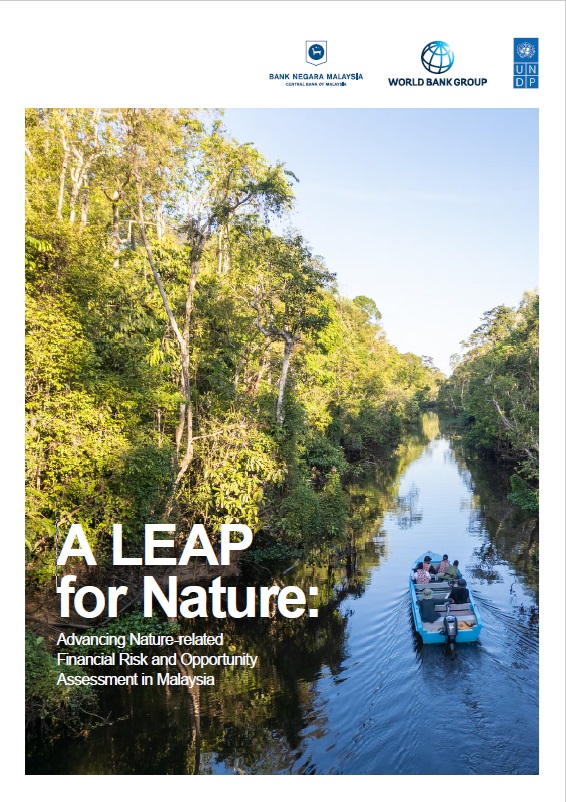
A LEAP for Nature: Advancing Nature-related Financial Risk and Opportunity Assessment in Malaysia
This joint report by Bank Negara Malaysia (BNM), the World Bank, and United Nations Development Programme’s Biodiversity Finance Initiative (UNDP BIOFIN) provides a guide for financial…
Increasing public funds for nature through Ecological Fiscal Transfers
Date: 25 Jul 2024 Country: Indonesia Malaysia In this episode, Abbie Trinidad, Senior Technical Advisor of UNDP BIOFIN, Bayuni Shantiko, BIOFIN Coordinator in Indonesia, and Dzulhaili…
The BIOFIN Integrated Report gives an overview of Phase 1 of the BIOFIN Malaysia (2014 – 2019). It highlights results from the expenditure review and financial…