ENGLISH
Nature’s value as a driver of sustainable development
Putting the IPBES Business and Biodiversity Assessment into practice through payments for wetland and marine ecosystem services









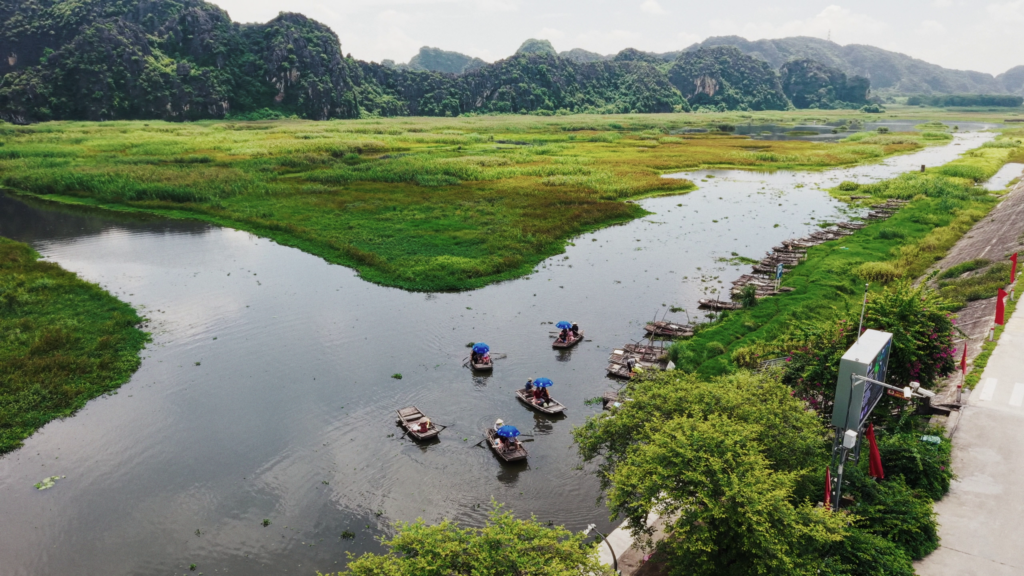
Viet Nam is recognized as one of the world’s most biodiversity-rich countries, with forests, wetlands, rivers, mangroves, coral reefs and coastal ecosystems that support livelihoods, food and water security, climate resilience and economic development. This natural wealth is increasingly threatened by habitat loss and fragmentation, overexploitation of natural resources, pollution, rapid urbanization, infrastructure development and climate change. The continued decline of biodiversity presents not only an environmental concern, but also a growing economic and social risk for sectors and communities that depend directly on healthy ecosystems.
Biodiversity conservation has therefore become an important component of Viet Nam’s sustainable development agenda. The country became a Party to the Convention on Biological Diversity in 1995 and has progressively strengthened its national policy framework, most recently through the National Biodiversity Strategy to 2030, with a vision to 2050. The Strategy establishes priorities for protecting and restoring ecosystems, conserving threatened species and genetic resources, and integrating biodiversity into national and sectoral development planning.
Translating these commitments into results, however, requires substantially greater and more effective financial resources. Viet Nam’s biodiversity finance remained heavily dependent on the public sector, which accounted for more than 3/4 of recorded expenditure. While government funding will continue to provide the foundation for conservation, it is unlikely to meet the full scale of national needs without stronger expenditure planning and greater contributions from other sources.
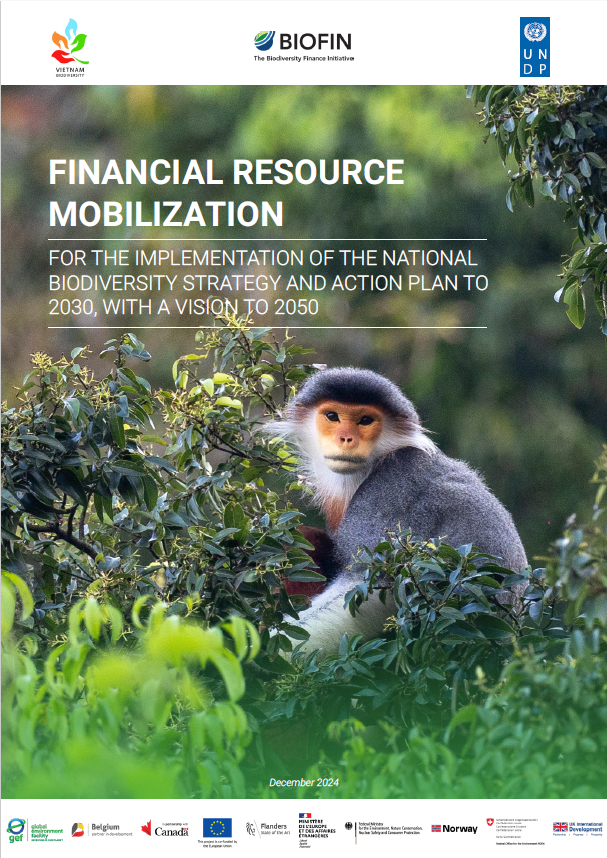
Viet Nam's financial needs to achieve seven of the National Biodiversity Strategy’s 14 monitoring and evaluation targets will require at least VND 115.25 trillion - approximately USD 4.4 billion - between 2024 and 2030. More than 77 per cent of these needs will arise during 2026–2030, with the largest requirements associated with maintaining forest cover and managing terrestrial, marine and coastal protected areas. Under current financing trends, Viet Nam faces a minimum cumulative shortfall of approximately VND 28.51 trillion, or USD 1.09 billion, with annual gaps ranging from 17 to 33 per cent.
BIOFIN, therefore, works with government institutions, communities, businesses and conservation partners to close this gap by improving public expenditure and developing practical finance solutions, including ecosystem-service payments, conservation and tourism fees, community finance, sustainable tourism, private-sector partnerships and cost-recovery models.
Finance Solution 1: Renovation of the Nature Museum at the Cuc Phuong National Park to improve visitor experiences and generate more visitors’ fees for conservation: The renovation of the Nature Museum at Cuc Phuong National Park aims to enhance visitor experiences and increase visitor fees, thereby generating additional revenue for conservation efforts.
Finance Solution 2: Development of guidelines, procedures, and standardized costs for biodiversity monitoring and reporting in Viet Nam’s Protected Areas as well as for the application of Result-based budgeting processes: The development of guidelines and standardized costs for biodiversity inventory in Vietnam’s Protected Areas, alongside the implementation of Result-based budgeting processes, seeks to improve transparency and accountability in government spending on conservation. This solution aims to ensure more effective allocation of resources, reducing financial mismanagement and enhancing biodiversity conservation efforts.
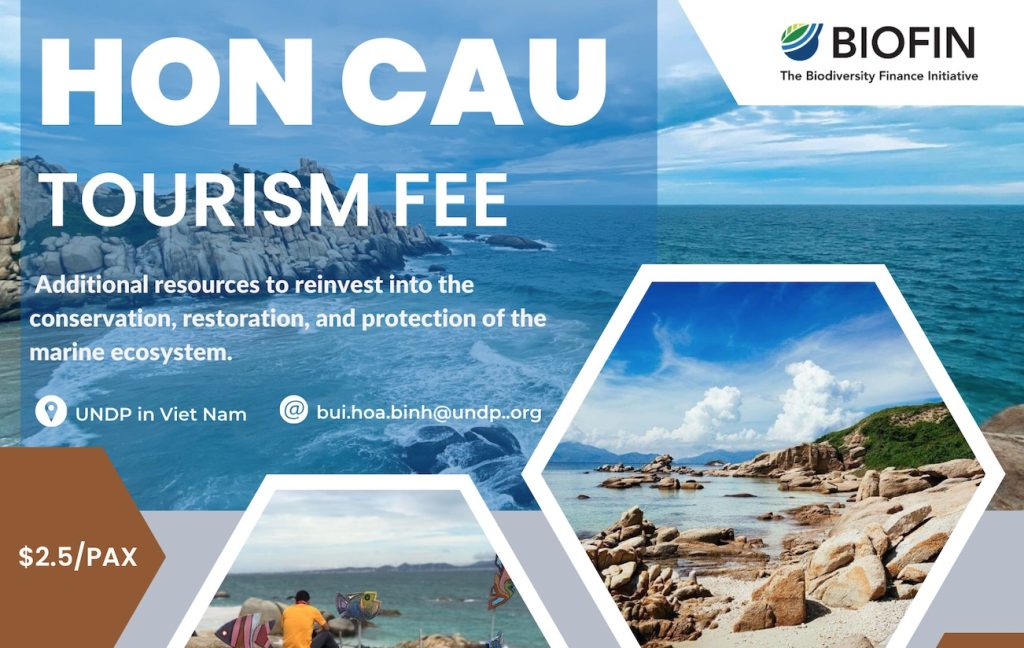
Finance Solution 3: Tourism fee system for Hon Cau Marine Protected Area, Lam Dong province: The establishment of a tourism fee system at Hon Cau Marine Protected Area is designed to generate revenue for conservation and support community-based ecotourism. If successful, this model could be replicated across other Protected Areas in Vietnam, fostering sustainable tourism practices.
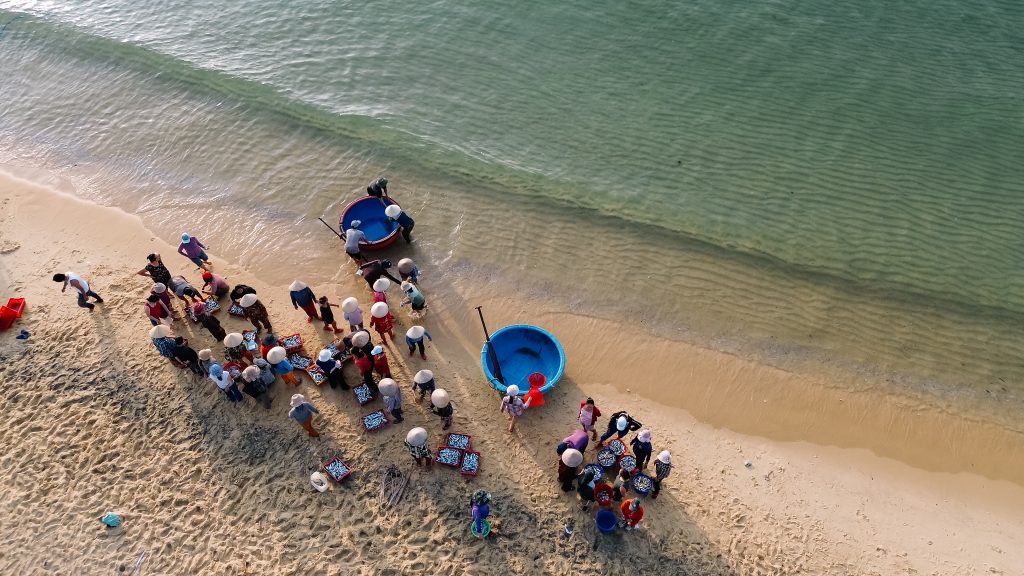
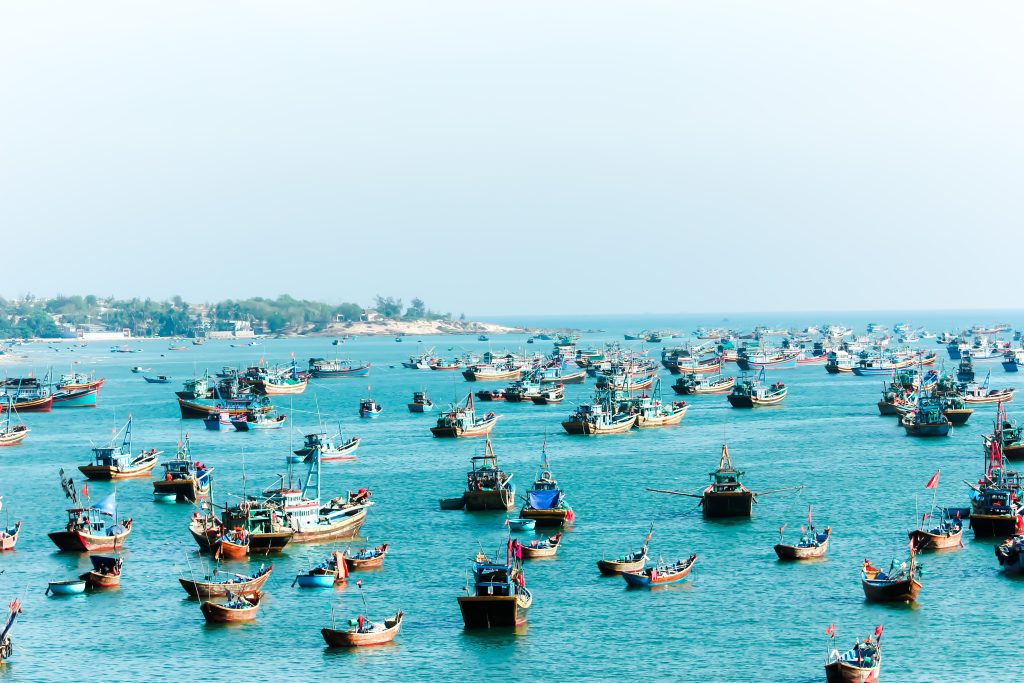
Finance Solution 4: Financial mechanism for sustainable co-management for fishery resources protection in Ham Thuan Nam, Binh Thuan province: The financial mechanism for sustainable co-management of fishery resources in Ham Thuan Nam involves mobilizing various revenue streams to support the conservation of coastal fishery resources. This approach emphasizes the importance of community involvement and aims to enhance the sustainability of co-management models, potentially replicable in other coastal areas.
Finance Solution 5: New user fee system for coral protection in Hon Yen, Dak Lak province: The development of a new user fee system for coral protection in Hon Yen seeks to fund conservation efforts through community-based tourism. This solution aims to control the impact of tourism on coral reefs, promoting sustainable practices and supporting local conservation initiatives.
Finance solution 6: Fishery Resource Protection Fee: The proposed fishery resource protection fee directs fishing-related payments toward habitat restoration, stock replenishment, marine protected areas and community conservation.
Finance solution 7: Payment for Ecosystem Services in Cu Lao Cham Marine Protected Area: The proposed marine payment for ecosystem services scheme requires tourism and recreation businesses to contribute directly to the ecosystems that support their activities. The mechanism could generate approximately VND 2.51 billion, or USD 96,000, annually for protection, restoration, monitoring, patrolling and community benefit-sharing.
Finance Solution 8: Mobile Nature Centres: Three Mobile Nature Centres bring wildlife conservation education to festivals, schools, tourism destinations and public spaces across Viet Nam. The solution tests a cost-recovery model based on merchandise, donations and institutional services, generating revenues toward the self-sufficiency of the buses and other adjacent conservation missions
Finance Solution 9: Community-led Urban Biodiversity and Reinvestment on the Red Riverbank: The Red Riverbank model combines ecological restoration, community-led education, corporate partnerships and local livelihood opportunities within an inclusive urban green space. The solution mobilizes revenue through corporate and service-learning programmes and reinvests resources in biodiversity conservation, site maintenance and community benefits.
BIOFIN has helped Viet Nam move from diagnosing its biodiversity finance challenge to testing and institutionalizing practical solutions across public, community and private finance. Its analytical work, including the Policy and Institutional Review, Biodiversity Expenditure Review, Financial Needs Assessment and Biodiversity Finance Plan, has established a stronger evidence base for national decision-making and the the scale of future needs and the options available to close the financing gap. This foundation has also supported more strategic public expenditure, including the piloting of results-based budgeting in protected areas, the development of standardized conservation cost norms and the mobilization of VND 2.296 billion for the renovation of Cuc Phuong National Park’s Nature Museum, improving visitor services while strengthening the case for conservation-linked revenue generation.
BIOFIN’s locally tested solutions demonstrate how conservation finance can generate both ecological and socioeconomic benefits. In Ham Thuan Nam, three community fisheries co-management groups leveraged VND 2.10 billion from community contributions, private philanthropy and public budgets, while provincial authorities allocated funding for co-management activities and patrols. In Hon Yen, community-based tourism has created more sustainable income opportunities for local residents, including former fishers, while establishing a cooperative with around 186 members and strong women’s leadership. Fifteen per cent of tourism revenue is earmarked for coral-reef protection, and the model has mobilized direct conservation finance alongside additional support for waste reduction, beach cleaning and community stewardship. In parallel, BIOFIN has advanced a proposed payment for marine ecosystem services scheme in Cu Lao Cham - Hoi An MPA, designed to channel one per cent of relevant tourism and recreation revenue into marine protection and potentially generate around VND 2.51 billion annually.
The programme is also expanding biodiversity finance into new sectors and audiences. Three Mobile Nature Centres launched in 2026 have brought wildlife conservation education to festivals and public spaces while testing a cost-recovery model through merchandise and donations, generating more than VND 30.5 million during the initial launch period. On the Red Riverbank in Ha Noi, BIOFIN is combining ecological restoration, community-led education, corporate partnerships and revenue reinvestment into a model for financially sustainable urban biodiversity infrastructure; by June 2026, the initiative had mobilized VND 321.65 million through corporate and service-learning programmes.
At the national level, BIOFIN has completed preparatory work for a fishery resource protection fee, initiated analysis on repurposing biodiversity-harmful subsidies and opened policy dialogue on public–private and community participation in marine protected-area management.
Together, these results show a portfolio progressing beyond isolated pilots towards scalable mechanisms that improve public spending, generate recurring conservation revenue, strengthen community institutions and create practical entry points for responsible private-sector participation.
BIOFIN Viet Nam’s publications and knowledge products document the country’s journey from diagnosing biodiversity-finance challenges to developing and implementing practical solutions. Together, the policy and institutional reviews, expenditure analyses, financial needs assessments, finance plans, resource-mobilization studies, policy briefs and case studies examine enabling policies, track spending, estimate financing needs and gaps, identify priority mechanisms and capture lessons from implementation. They provide government agencies, protected-area managers, financial institutions, businesses, development partners and communities with evidence and practical guidance to improve expenditure, mobilize public and private resources, and align finance with Viet Nam’s national biodiversity priorities.