Key results
Introducing Cuba’s First Payment for Carbon Removal Ecosystem Services
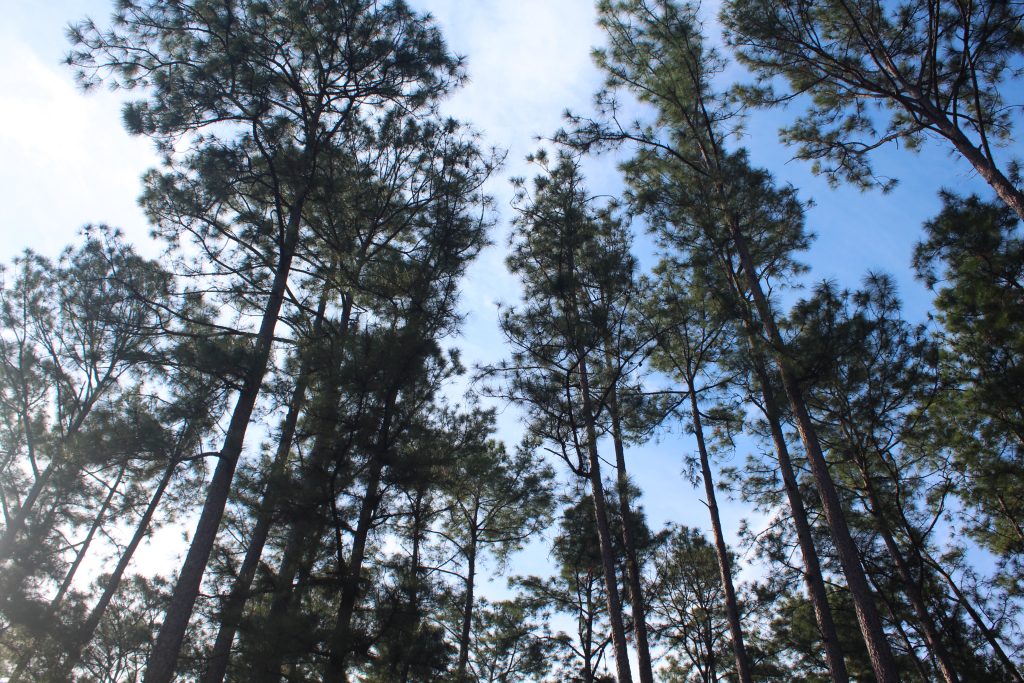
With support from UNDP BIOFIN, Cuba introduced a Payment for Ecosystem Services (PES) mechanism for carbon removal through sustainable forest management, the first financial solution of its kind in the country. The mechanism creates an economic incentive for sustainable forest management while mobilizing resources for biodiversity conservation and climate action.
Integrating Biodiversity into Cuba’s Financial System
UNDP BIOFIN contributed to the development and approval of Cuba’s first specific Environmental Accounting Standard, issued by the Ministry of Finance and Prices. The standard enables institutions to identify and record expenditure and revenues associated with biodiversity conservation, sustainable use and ecosystem management, strengthening the integration of nature into public financial management.
Tracking Biodiversity Expenditure for the First Time
UNDP BIOFIN supported Cuba’s first comprehensive assessment of biodiversity expenditure. The Biodiversity Expenditure Review identified more than CUP 5.36 billion in biodiversity-related expenditure between 2010 and 2016, equivalent to an average of approximately CUP 766 million annually. This provided the country with an evidence base for understanding how resources for biodiversity were being allocated.
Identifying the Biodiversity Financing Gap
UNDP BIOFIN supported the costing of Cuba’s 2016–2020 National Biodiversity Strategy and Action Plan, estimating financial requirements of approximately CUP 1.5 billion. The analysis identified a financing gap of approximately CUP 786 million, equivalent to 52% of estimated financing needs, providing evidence for the development of the country’s Biodiversity Finance Plan.
Strengthening Coordination between Environment and Finance Institutions
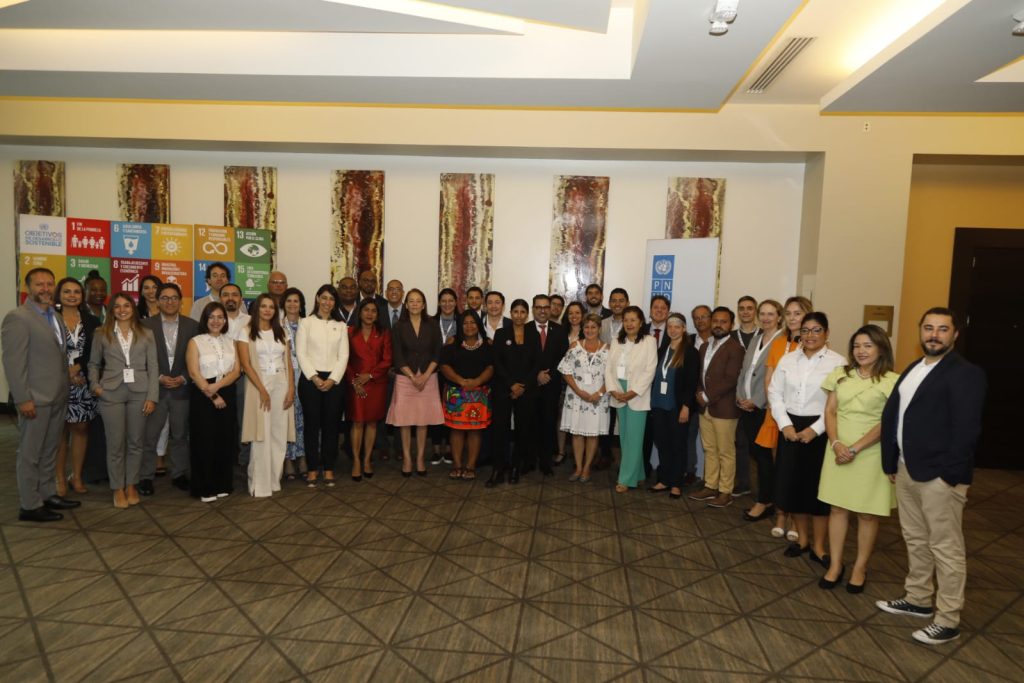
UNDP BIOFIN helped establish an institutional platform bringing together key institutions responsible for environment, finance, economic planning, banking and statistics. This strengthened coordination between environmental and financial decision-makers and created an institutional foundation for integrating biodiversity considerations into Cuba’s economic and financial planning.
Building National Capacity for Biodiversity Finance
More than 300 national stakeholders were trained through the first phase of UNDP BIOFIN, bringing together expertise in biodiversity, economics and finance. This helped strengthen national capacity to assess biodiversity financing needs, track expenditure and develop financial solutions for conservation and sustainable use.
Mainstreaming Biodiversity Finance into National Development Planning
The experience generated through UNDP BIOFIN has contributed to the broader institutionalization of environmental finance in Cuba. Financial sustainability for natural resources and the environment has been incorporated into the country's National Economic and Social Development Plan to 2030, while approaches developed through UNDP-supported initiatives are contributing to greener banking and financial mechanisms for sustainable land and ecosystem management.
Supporting Cuba’s New Biodiversity Ambition to 2030
Cuba entered a new cycle of biodiversity action with Cuba Biodiversa, its National Biodiversity Programme with targets through 2030 and a strategic vision to 2050. The renewed BIOFIN Phase II, running from 2024 to 2030, is focused on implementing biodiversity finance solutions that can help mobilize and improve the use of resources needed to achieve these national biodiversity priorities.