
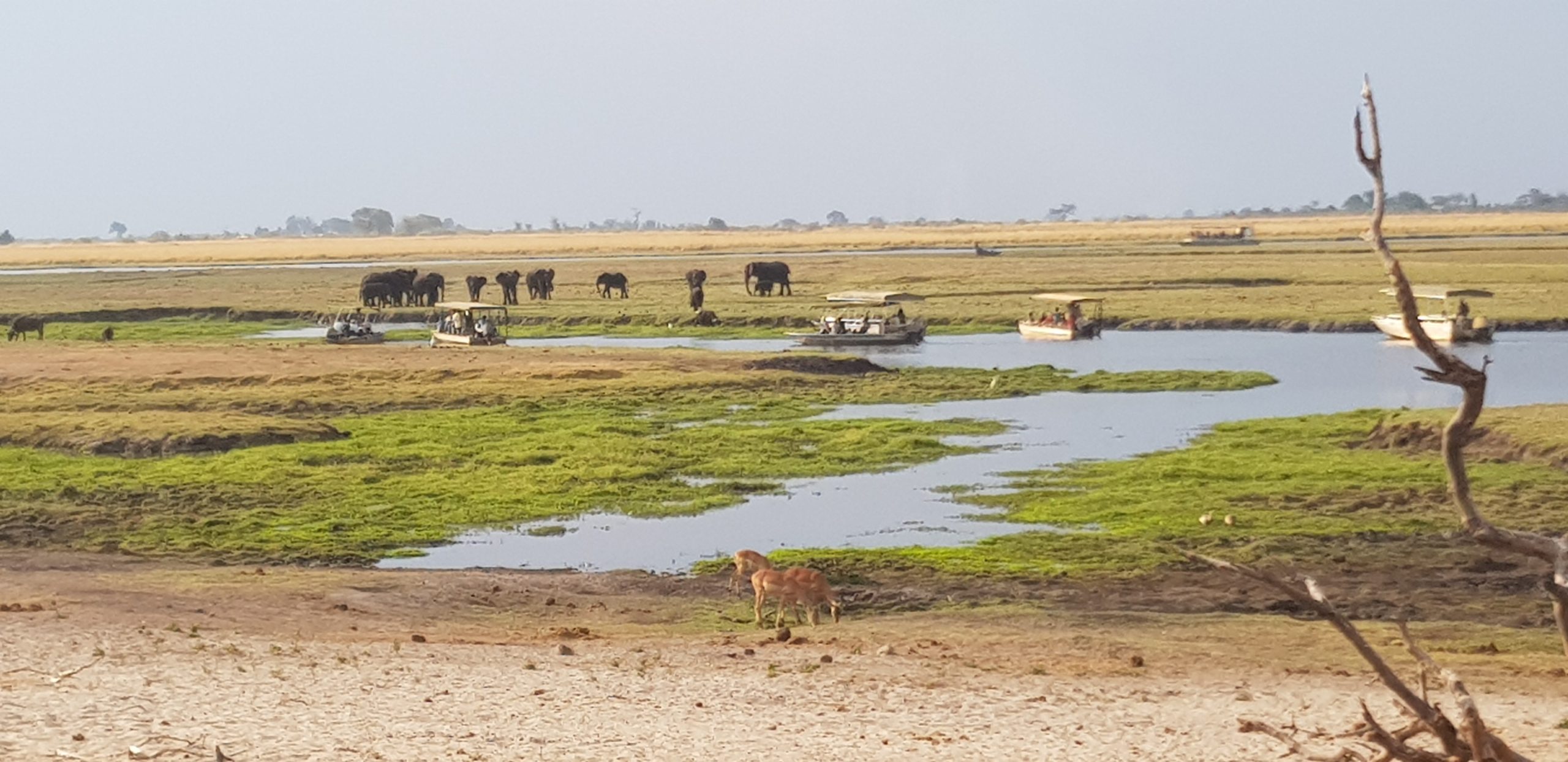
Aside from the inherent challenges associated with balancing numerous (sometimes competing, or even conflicting) objectives, PA managers often have limited guiding information at their disposal to set fees. This includes bench marking data on fees in similar attractions and in competing countries, information about the PA offering, impression and expectations of visitors that determine their preferences and price points. Management authorities also increasingly relying on consumer research. Stated preference techniques (such as contingent valuation and choice experiments) as well as travel cost methods, which look at visitors’ willingness to pay (WTP), are particularly commonly used to inform PA pricing. Botswana had been no exception to the practice, this review combined most techniques appropriate to review and recommend new fees for Botswana protected areas. It also recommends revenue retention to support Botswana’s efforts in responding to challenges such as its natural infrastructural maintenance and congestion along its wildlife hot spots areas.
PUBLICATIONS
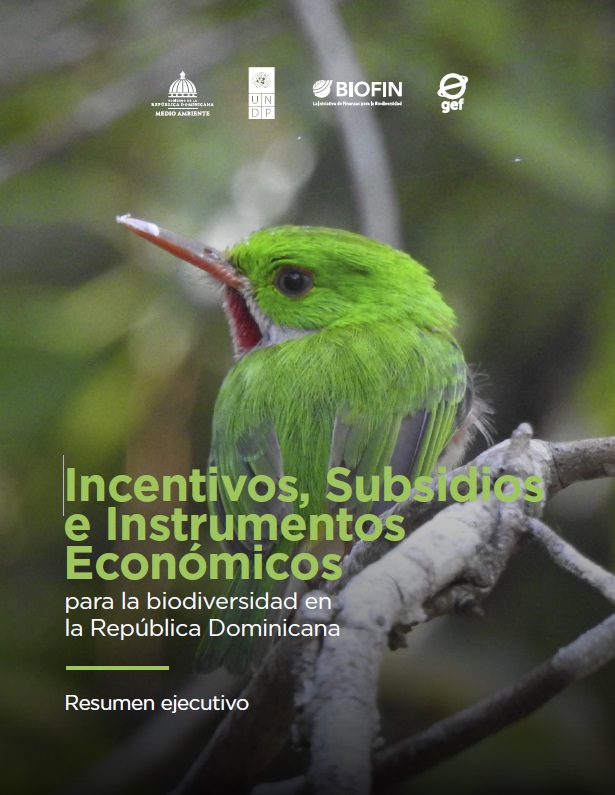
Incentives, Subsidies and Economic Instruments for Biodiversity in the Dominican Republic
Developed under BIOFIN, this study examines how existing economic incentives, subsidies, and financial instruments influence biodiversity and identifies opportunities to better align economic development with nature conservation. The assessment identifies 46 instruments with potential implications for biodiversity, including 15 that present opportunities for improvement or reform, 23 with potentially positive impacts, and eight potential public […]