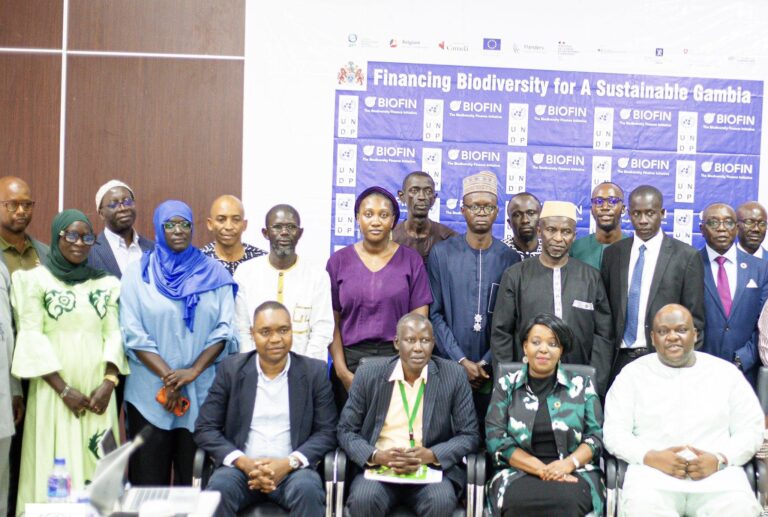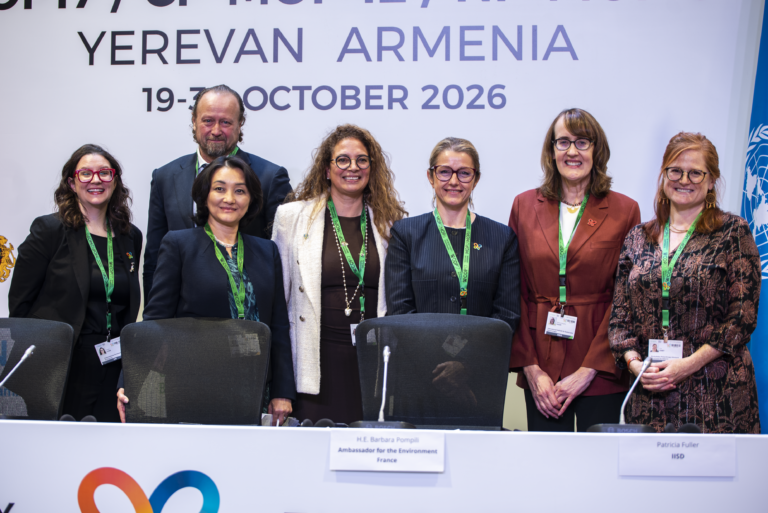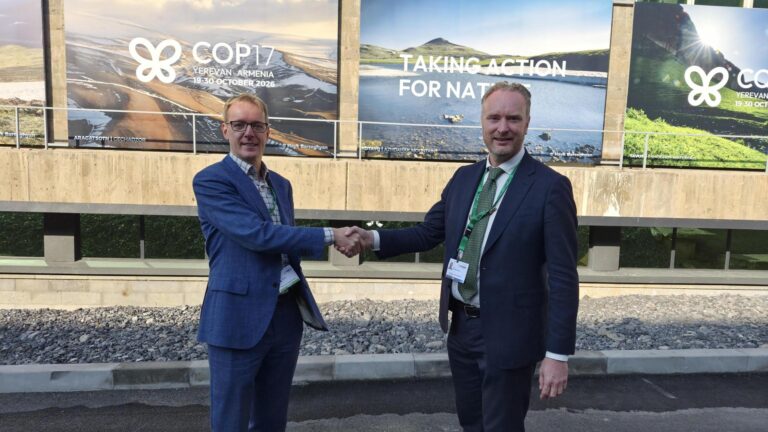

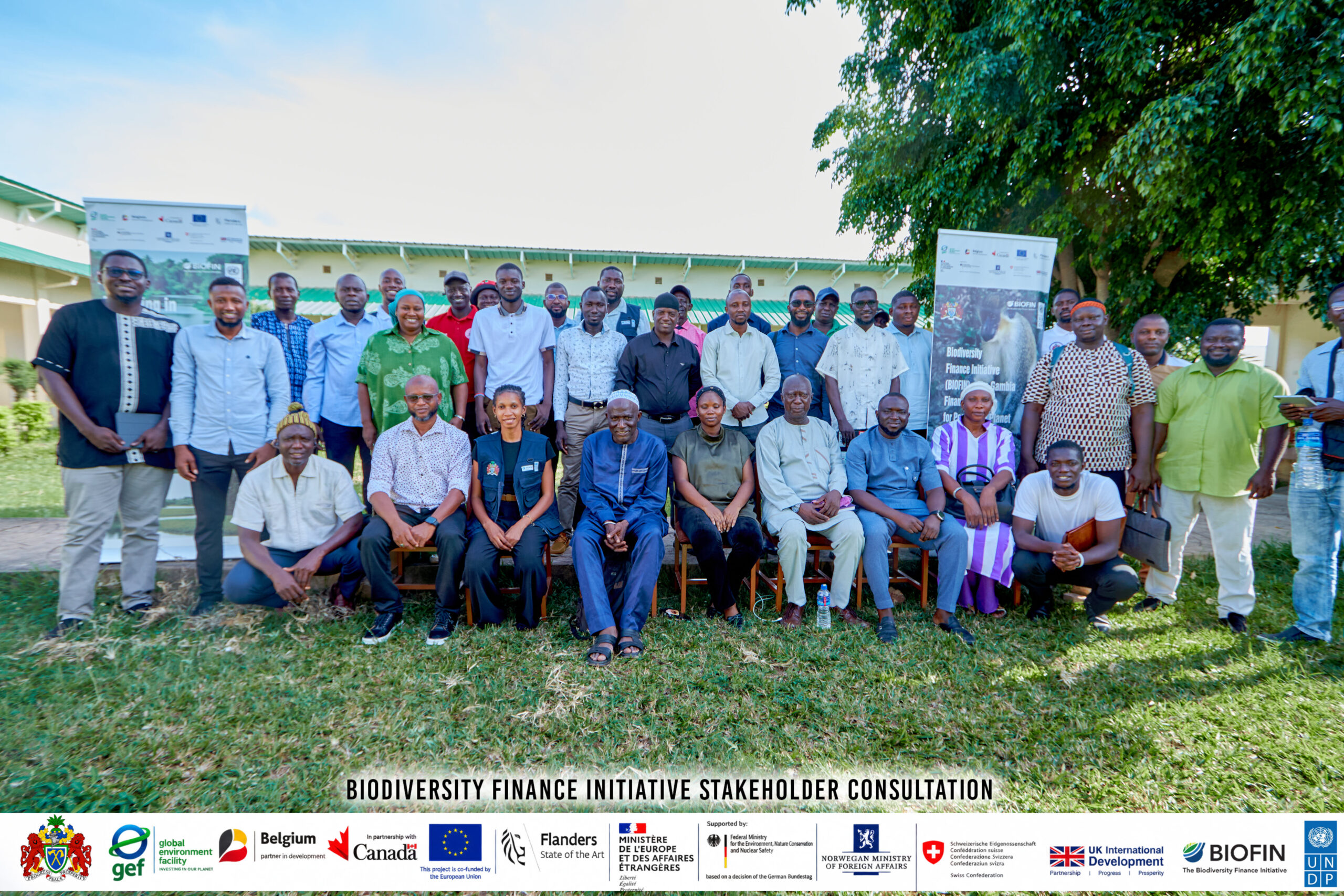
Lower River Region, The Gambia | 20 – 22 October 2026
The Biodiversity Finance Initiative (BIOFIN) in The Gambia has organised a three-day capacity-building workshop on Biodiversity Expenditure Review (BER), bringing together representatives from government institutions, civil society organisations and other key stakeholders to strengthen national capacity to identify, track and analyse biodiversity-related expenditure.
Held from 20 to 22 October 2026 at Soma in LRR, the workshop provided a platform for participants to deepen their understanding of biodiversity finance, examine existing financing arrangements and explore practical approaches to improving the tracking and reporting of biodiversity-related expenditure.
Biodiversity plays a vital role in The Gambia’s economy and livelihoods, supporting agriculture, fisheries, tourism, food security and climate resilience. However, pressures on natural resources, competing development priorities and limited financial resources continue to challenge conservation efforts. Understanding how much is currently being spent on biodiversity, who is financing these activities and how resources are being used is therefore essential to identifying financing gaps and improving investment decisions.
Building understanding of biodiversity finance
During the workshop, participants were introduced to BIOFIN’s methodology and its four key components: the Policy and Institutional Review (PIR), Biodiversity Expenditure Review (BER), Financial Needs Assessment (FNA) and Biodiversity Finance Plan (BFP).
Technical sessions explored the importance of reviewing existing biodiversity-related expenditure across government institutions, civil society organisations and development partners. Participants also examined how financial data can be identified, classified, collected and analysed to provide a clearer picture of existing biodiversity investments.
The sessions highlighted the importance of looking beyond formal government expenditure to recognise contributions from civil society, local communities and other actors whose conservation activities may not always be reflected in conventional financial records.
Connecting biodiversity, development and national priorities
Participants also explored the state of biodiversity in The Gambia, including the importance of forests, wetlands, mangroves, protected areas and marine ecosystems. Discussions highlighted the pressures affecting these ecosystems, including deforestation, unsustainable resource use, urban expansion and climate change.
The workshop further examined The Gambia’s National Biodiversity Strategy and Action Plan (NBSAP) 2026–2035 and the importance of resource mobilisation in achieving national biodiversity priorities and commitments under the Global Biodiversity Framework.
A session on public financial management provided participants with an understanding of the national budget cycle, revenue sources, expenditure classifications and the processes involved in budget formulation, execution and oversight. Particular attention was given to the distinction between approved budget allocations, actual fund releases and expenditure, an important consideration for accurate biodiversity expenditure tracking.
Participants also discussed opportunities to mobilise additional resources through development partners, climate and biodiversity finance mechanisms, private-sector engagement and innovative financing approaches.
Strengthening collaboration and identifying financing opportunities
Throughout the three days, discussions emphasised the need for stronger institutional coordination, improved financial data management and more effective collaboration among government institutions, local authorities, civil society organisations and development partners.
Participants highlighted several challenges affecting biodiversity financing, including fragmented information, limited institutional capacity, delays in fund releases, competing budget priorities and difficulties accessing external financing opportunities.
The discussions also underscored the importance of strengthening community participation and ensuring that financing approaches recognise the contributions of local communities involved in managing and protecting natural resources.
Supporting the development of The Gambia’s Biodiversity Finance Plan
The workshop represents an important step in strengthening the technical and institutional capacity needed to undertake the Biodiversity Expenditure Review in The Gambia.
The information generated through the review will help establish a clearer understanding of existing biodiversity expenditure, identify financing gaps and assess opportunities to improve the allocation and effectiveness of available resources.
Supported by BIOFIN Global and implemented by UNDP in partnership with the Ministry of Environment, Climate Change and Natural Resources, BIOFIN The Gambia is working with national stakeholders to strengthen the evidence base for biodiversity financing and support the development of a comprehensive Biodiversity Finance Plan.
By improving how biodiversity-related expenditure is identified, tracked and analysed, The Gambia is taking an important step towards more informed financing decisions and sustainable investment in nature.