Burkina Faso has validated its Policy and Institutional Review (PIR) and Biodiversity Expenditure Review (BER), completing two important steps towards developing a national Biodiversity Finance Plan.
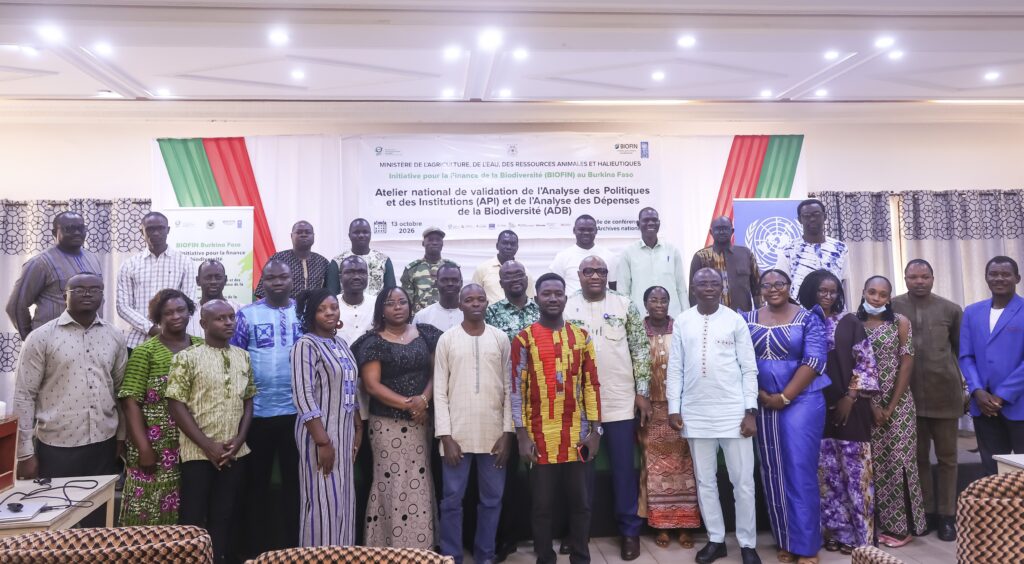
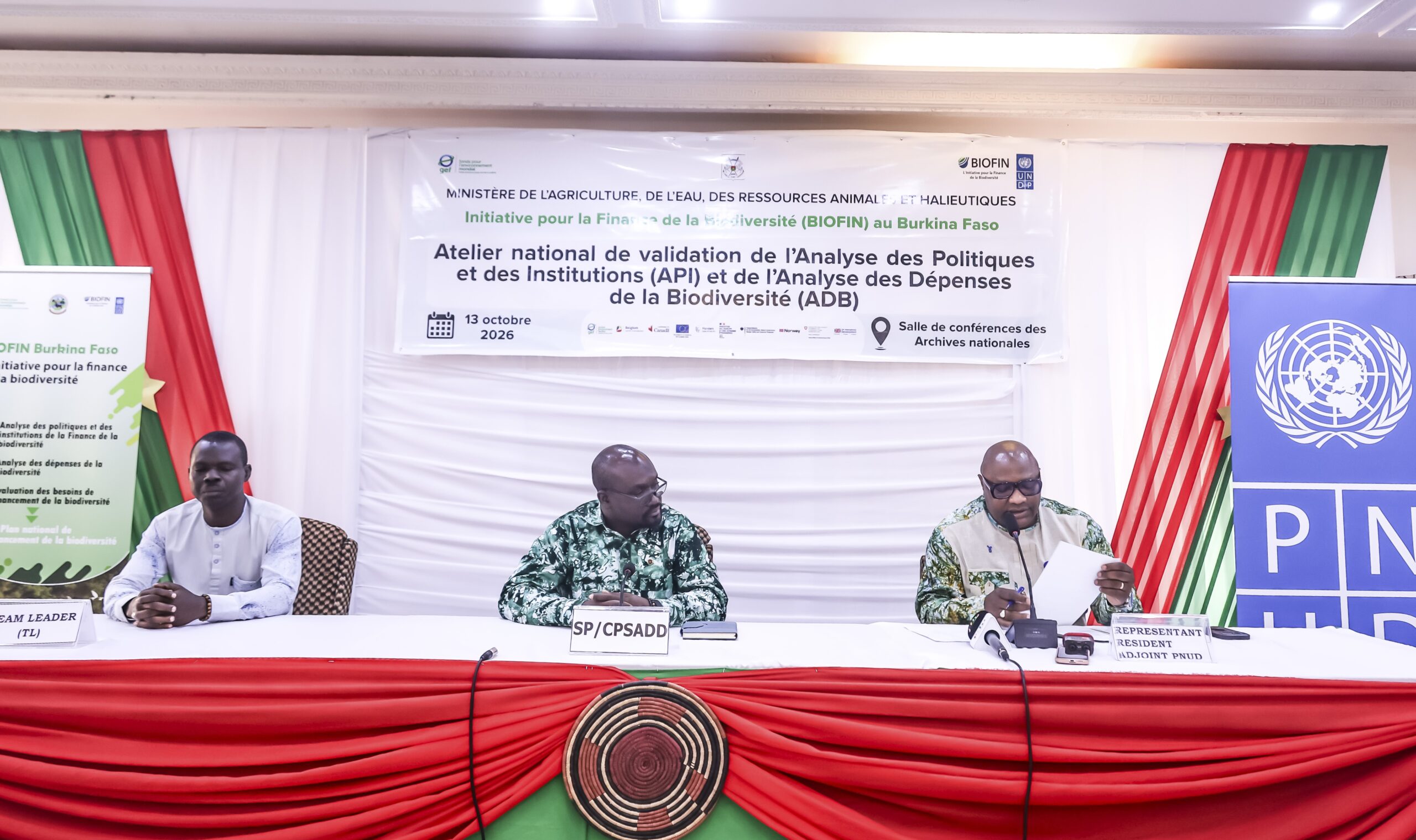
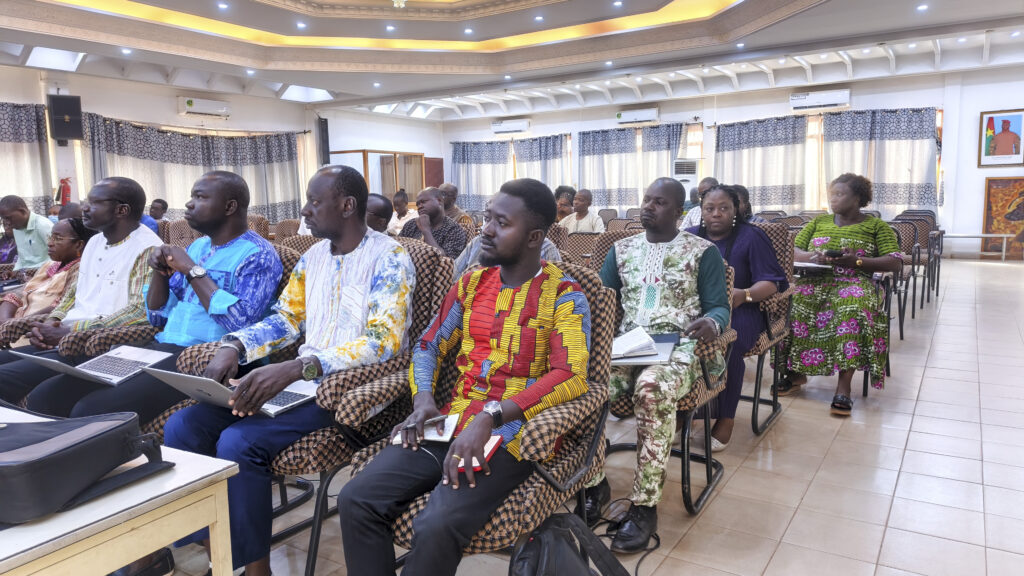
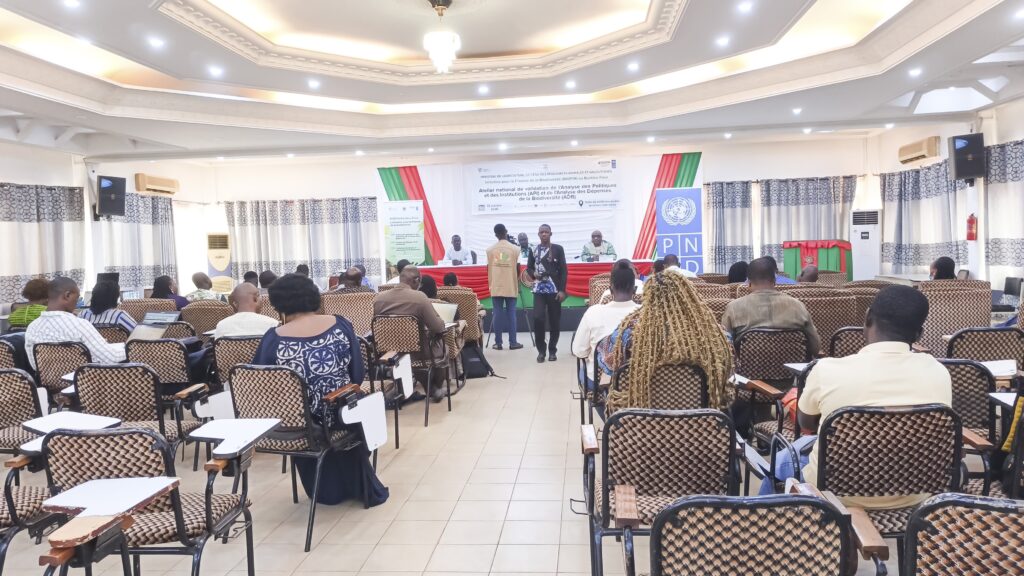
The national validation workshop, held in Ouagadougou on 13 October 2026, reviewed findings on the policies, institutions and expenditure shaping biodiversity conservation. Conducted through UNDP BIOFIN with support from the Global Environment Facility (GEF), the assessments provide a foundation for identifying financing priorities and developing practical solutions.
Connecting biodiversity priorities with policies and budgets
The reviews found that Burkina Faso has a strong legal framework for biodiversity conservation. However, biodiversity objectives are not consistently reflected in sectoral policies and budgets, where conservation often remains an indirect benefit rather than an explicit priority.
The institutional assessment identified responsibilities spread across multiple institutions, with gaps in coordination. It also highlighted limited private sector engagement and technical capacity constraints among civil society organizations and local authorities.
The reviews pointed to inconsistencies between conservation objectives and economic incentives in agriculture, mining and energy. They also identified potentially harmful incentives associated with support for chemical inputs in agriculture, the cotton sector and hydrocarbons, highlighting the need to examine how these measures could better align with biodiversity objectives.
Understanding biodiversity expenditure
The Biodiversity Expenditure Review recorded public sector expenditure on biodiversity of CFA francs 97.74 billion between 2020 and 2024, equivalent to approximately US$195.48 million as reported in the review. This covered sectors including environment, agriculture, research, health, gender and tourism.
The review also recorded contributions from NGOs and associations of CFA francs 164.92 billion, reported as approximately US$329.83 million.
Private sector financing amounted to CFA francs 18.41 billion between 2020 and 2024, equivalent to approximately US$36.82 million. The review highlighted limited mobilization of private finance despite significant untapped potential.
These findings provide a baseline for developing the Biodiversity Finance Plan, helping identify existing sources of finance and opportunities to strengthen resource mobilization.
Identifying potential finance solutions
The assessments identified several potential solutions for further evaluation as Burkina Faso develops its Biodiversity Finance Plan:
- Ecological fiscal transfers;
- Insurance mechanisms to manage human–wildlife conflict;
- Environmental taxation;
- Implementation of the Nagoya Protocol on access to genetic resources and benefit-sharing;
- Results-based budgeting;
- Ecotourism development;
- Establishment of a dedicated biodiversity finance unit.
These options will require further assessment and prioritization to determine their feasibility, expected contribution and implementation arrangements.
The reviews also recommended explicitly integrating biodiversity objectives and measurable indicators into sectoral programme budgets, establishing a system to track environmental expenditure, strengthening coordination across sectors and developing a sustainable national financing mechanism supported by domestic sources.
Together, these recommendations address both the mobilization of resources and the institutional arrangements needed to use them effectively.
Building national ownership
Dr. Rémy Palé, Permanent Secretary for the Coordination of Sectoral Agricultural and Sustainable Development Policies, represented the Secretary General of the Ministry of Agriculture, Water, Animal and Fishery Resources. He highlighted the importance of biodiversity for Burkina Faso and the opportunity BIOFIN offers to address its decline, particularly in a context of fragility. He also acknowledged the support of UNDP and the GEF.
UNDP Deputy Resident Representative Dominique Kabeya encouraged stakeholders to contribute actively to the development of the Biodiversity Finance Plan.
The BIOFIN process in Burkina Faso involves parliamentarians, public institutions, the private sector, civil society, international organizations and development partners. An Orientation and Monitoring Committee oversees implementation and validates the programme’s outputs.
Implemented under the GEF-8 programme, UNDP BIOFIN works in close collaboration with the Ministry of Agriculture, Water, Animal and Fishery Resources to support Burkina Faso in translating biodiversity priorities into practical financing measures.