
Haiti has officially approved its Biodiversity Finance Plan, setting out priority approaches to mobilise resources for conservation and the sustainable use of nature through 2030.
Supported by UNDP BIOFIN with funding from the Global Environment Facility (GEF), the plan aims to connect Haiti’s biodiversity priorities with practical financing opportunities and guide efforts to implement its National Biodiversity Strategy and Action Plan.
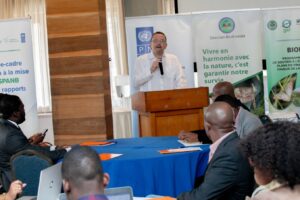
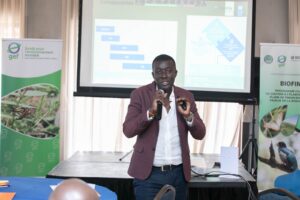
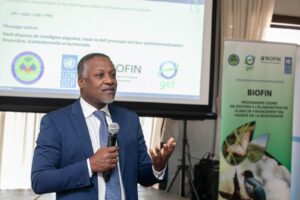
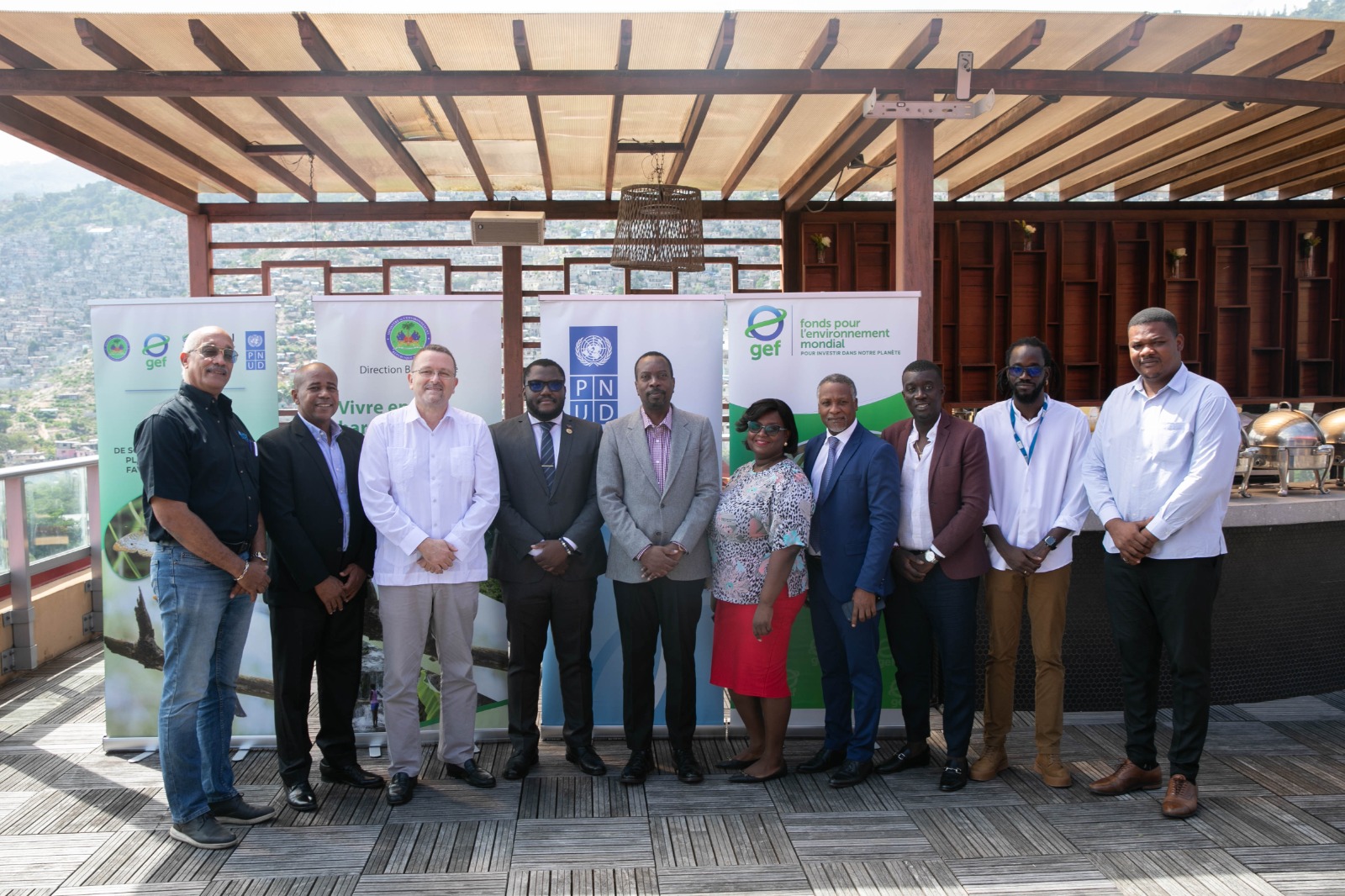
The approval comes as the Ministry of Environment convenes a national workshop in Port-au-Prince from 6 to 8 October 2026. The workshop brings together stakeholders to review the finance plan, validate Haiti’s Seventh National Report on Biodiversity and prepare the country’s participation in COP17 of the Convention on Biological Diversity.
Feedback from the workshop will be incorporated into the plan, followed by a final review by BIOFIN’s global technical team before the document is made public.
Exploring financing opportunities
The plan identifies complementary approaches spanning international development cooperation, climate finance, sustainable agriculture, conservation funds, payments for ecosystem services and voluntary contributions from the Haitian diaspora.
Further work will translate these priorities into specific proposals, assess their feasibility and identify potential partners. The objective is to build a more diversified financing base for biodiversity conservation and sustainable use.
Opening the workshop, Minister of Environment Valéry Fils-Aimé called for biodiversity to be placed at the heart of national development decisions. He highlighted the potential of responsibly managed mangroves, coral reefs and other coastal and marine ecosystems to support sustainable fisheries, ecotourism and employment.
“Biodiversity must be considered not only as a heritage to protect, but also as a real driver of development for Haiti,” he said.
UNDP Resident Representative Xavier Michon recognised Haiti’s progress through UNDP BIOFIN and reaffirmed UNDP’s commitment to supporting implementation of the plan and mobilising partners and resources.
Preparing for implementation
Following COP17, the plan’s technical implementation committee is expected to meet to begin developing concept notes for resource mobilisation. Preparatory work will also include feasibility studies for payments for ecosystem services.
The Ministry of Environment, UNDP and the Ministry of Economy and Finance will lead this process, with NGOs, local organisations, private-sector actors and other public institutions progressively invited to participate.
Alongside the finance plan, Haiti’s Seventh National Report will document conservation progress, remaining challenges and priorities for action. Together, these processes can help connect evidence on biodiversity needs with financing decisions and guide the country’s next steps towards implementation.