

The Government of Malawi, through the Ministry of Natural Resources, and the United Nations Development Programme (UNDP) Malawi have called on financial institutions to integrate biodiversity considerations into their investment and financing decisions, highlighting the critical role of the financial sector in protecting natural capital and strengthening economic resilience.
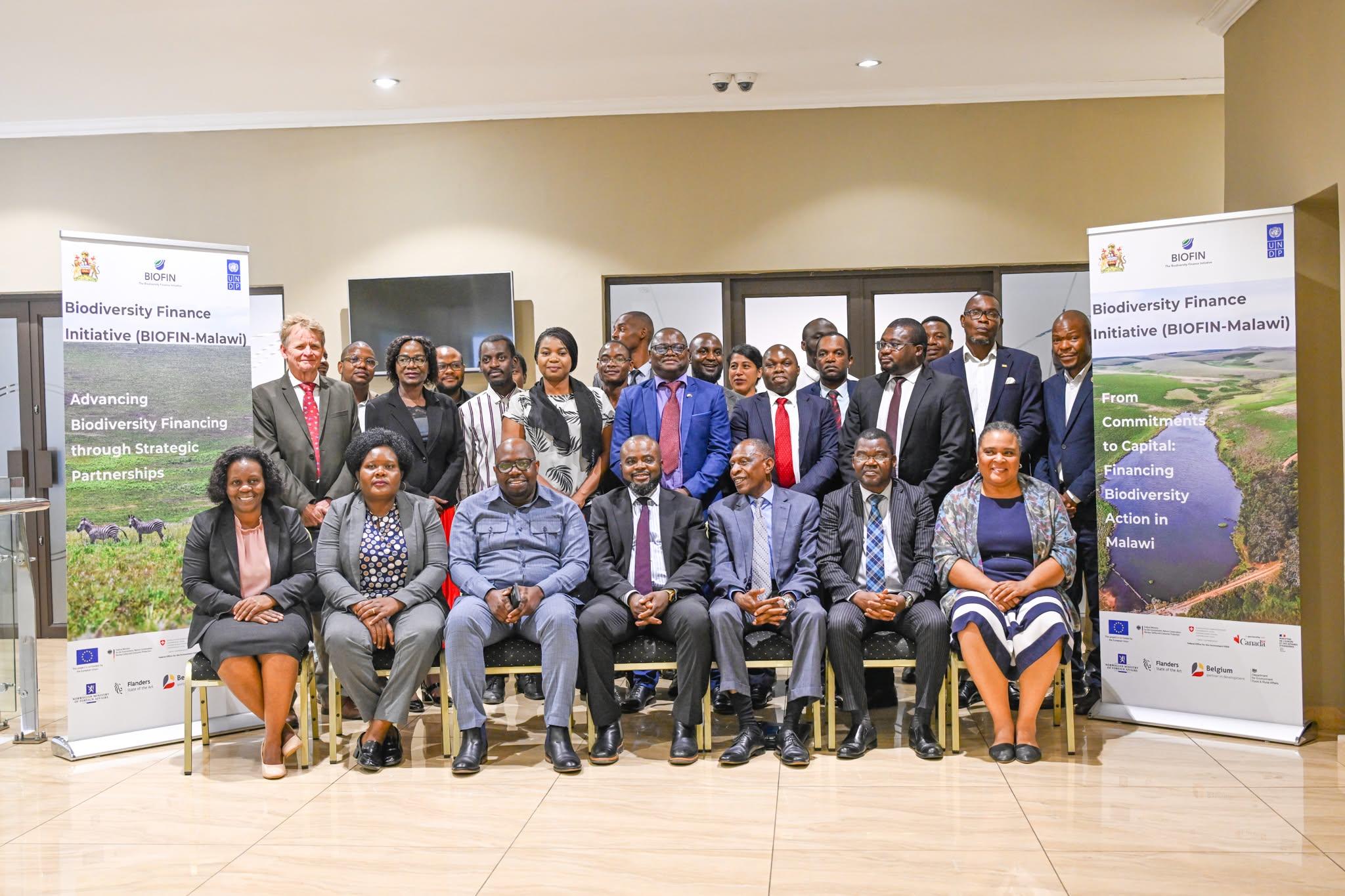
The call was made during a biodiversity finance workshop held in Blantyre, which brought together representatives from banks, insurance companies, pension funds, regulatory bodies, development partners and private sector institutions. The meeting focused on advancing the mainstreaming of biodiversity finance within Malawi’s financial sector and exploring innovative mechanisms to mobilize resources for nature conservation.
The workshop comes at a time when growing environmental pressures, biodiversity loss and climate-related risks are increasingly affecting economies and livelihoods. As Malawi continues to pursue sustainable development, stakeholders underscored the importance of aligning financial systems with national biodiversity priorities while creating opportunities for long-term economic growth.

Discussions centered on how financial institutions can better assess and manage nature-related risks, incorporate biodiversity considerations into investment portfolios, and align their operations with Malawi’s Biodiversity Finance Plan and emerging global sustainability frameworks.
Speaking at the event, UNDP Malawi Deputy Resident Representative, Dr. Chika Charles Aniekwe, emphasized that sustainable finance is essential to securing the country’s future prosperity.
“The decisions we make today on how we value nature and integrate biodiversity risks into financial strategies will determine the resilience of Malawi’s economy for decades to come,” said Dr. Aniekwe.
He noted that biodiversity underpins key sectors of Malawi’s economy, including agriculture, tourism, fisheries and forestry, making its protection an economic necessity as much as an environmental imperative.

Representing the Principal Secretary for Natural Resources, Mr. Biswick Mlaviwa highlighted the transformative potential of the financial sector in driving conservation outcomes.
“The financial sector has the power to transform biodiversity conservation from a cost into an investment opportunity,” he said.
Mr. Mlaviwa encouraged financial institutions to explore innovative financing approaches that can generate returns while supporting ecosystem restoration, conservation and sustainable resource management.
The workshop forms part of broader efforts under the Biodiversity Finance Initiative (BIOFIN), a global UNDP programme that supports countries in identifying and implementing solutions to close financing gaps for biodiversity. Through BIOFIN, UNDP is working closely with the Government of Malawi to unlock sustainable financing mechanisms that can help conserve biodiversity while improving livelihoods and supporting inclusive economic development.

Participants explored opportunities to develop biodiversity-friendly financial products and strengthen collaboration between government, regulators and the private sector. The engagement also reinforced the importance of integrating environmental considerations into risk management frameworks, recognising that biodiversity loss can have significant implications for financial stability and investment performance.
As Malawi advances implementation of its biodiversity and sustainable development commitments, stronger engagement from the financial sector is expected to be a key driver of change. By directing investments toward nature-positive activities and embedding biodiversity considerations into decision-making processes, financial institutions can help safeguard the country’s natural resources while contributing to long-term economic resilience.
UNDP remains committed to supporting Malawi in building innovative and sustainable financing solutions that protect biodiversity, strengthen communities and accelerate progress towards the Sustainable Development Goals (SDGs).