BIODIVERSITY FINANCE
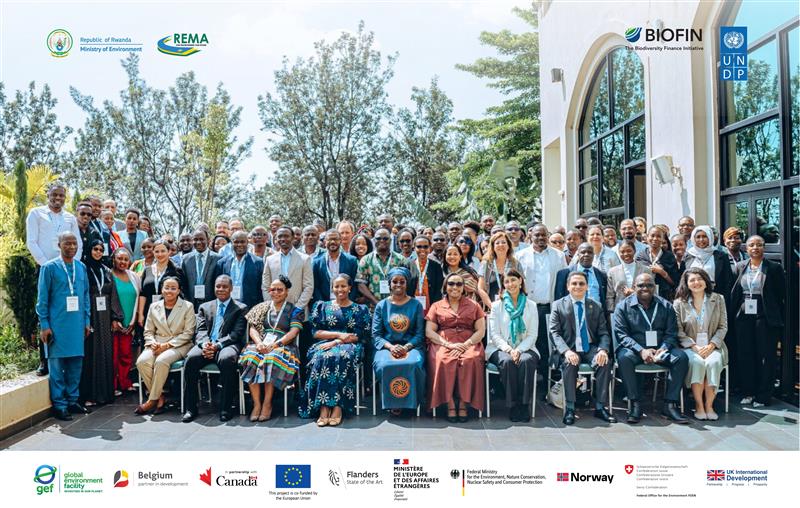
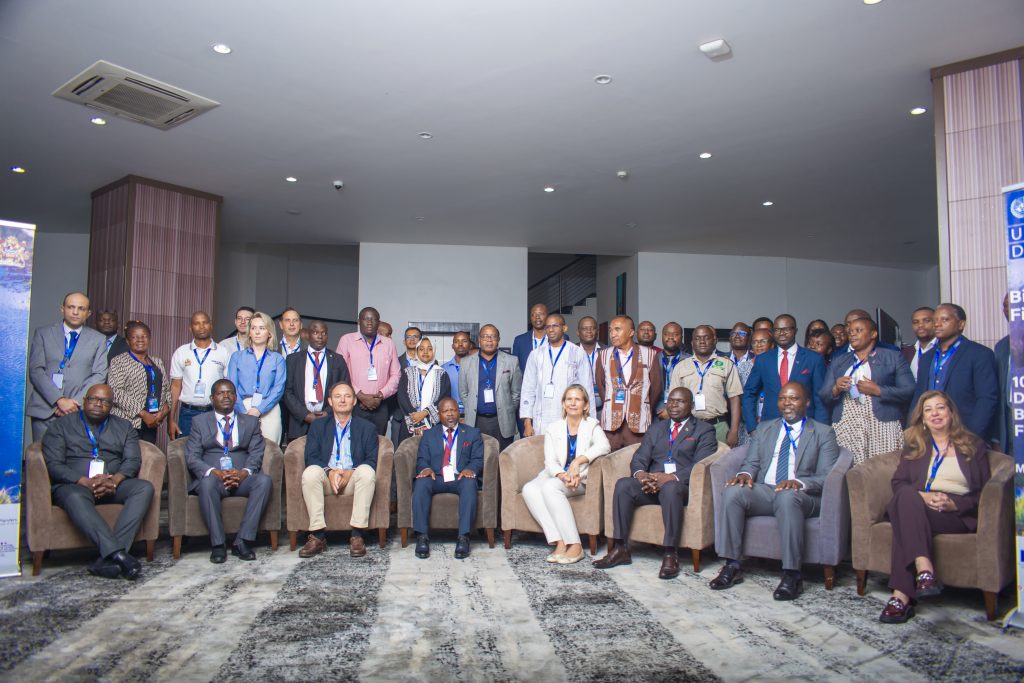
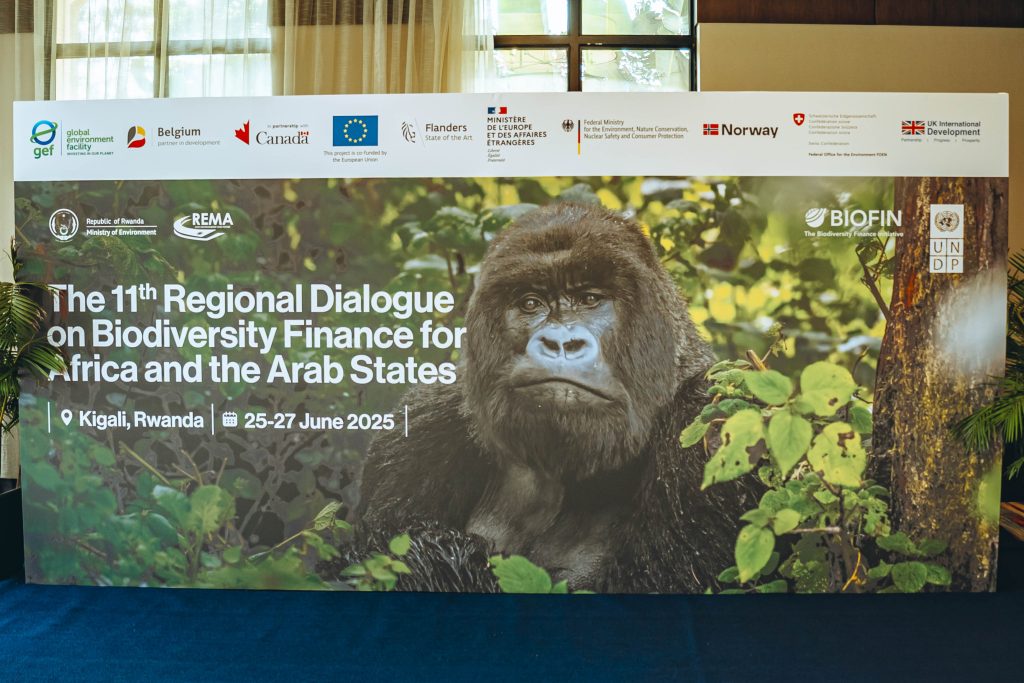
BIOFIN Africa and Arab States Dialogue marks pivotal moment for nature finance
We’re marking a pivotal year for nature finance across Africa and the Arab States. Governments are facing a widening gap…

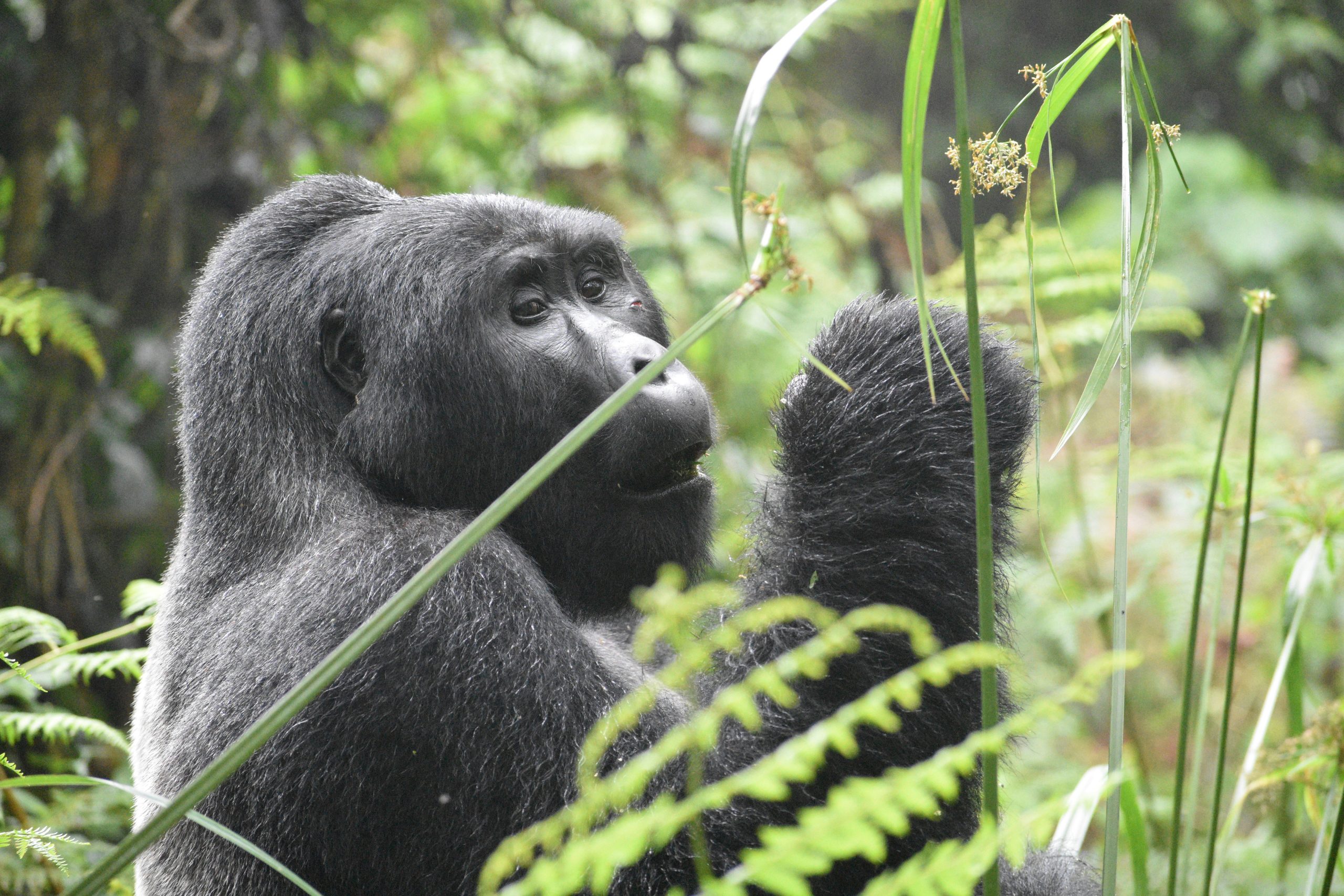







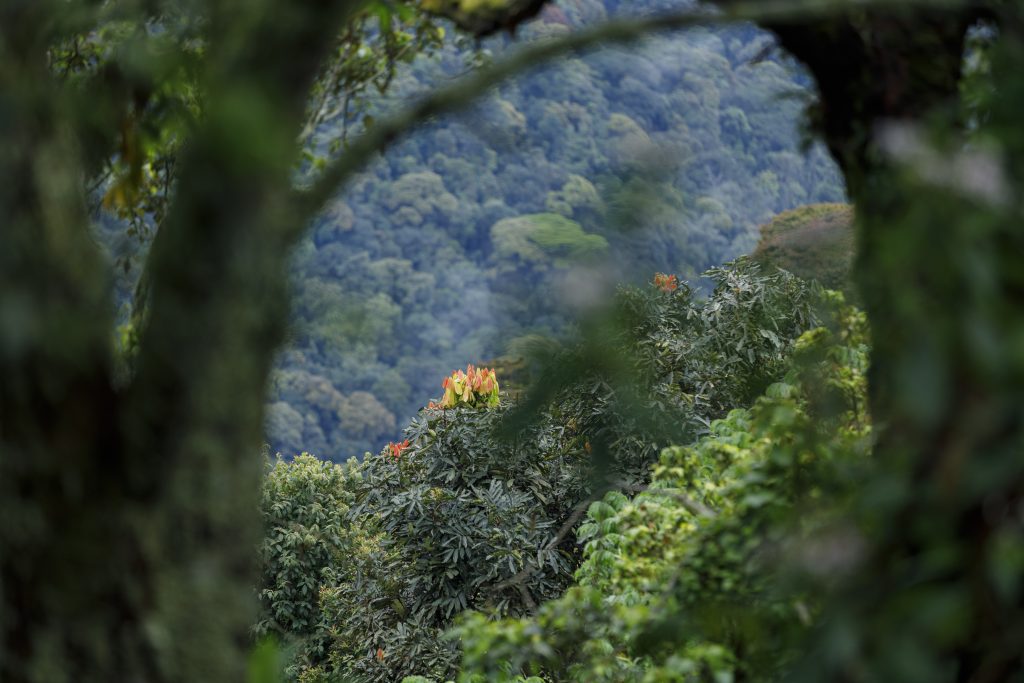
Rwanda is home to diverse ecosystems ranging from humid montane forests and savannahs to lakes, rivers and wetlands. These ecosystems support rich biodiversity and provide essential services for people and the economy, including water regulation, soil protection, flood control, climate regulation and livelihoods. Protecting this natural capital is therefore closely linked to Rwanda’s sustainable development and long-term economic resilience.
Despite significant conservation efforts, Rwanda’s biodiversity continues to face pressures from habitat loss and degradation, competing land uses, climate change and growing demand for natural resources. Financing for biodiversity has traditionally relied heavily on public budgets and development partners, while available resources remain insufficient to fully address the country’s conservation and restoration priorities. Diversifying funding sources and increasing private-sector participation are therefore critical to closing the biodiversity finance gap.
UNDP BIOFIN works with the Government of Rwanda and national partners to strengthen the country’s approach to biodiversity finance. Through analysis of biodiversity-related policies, expenditure and financing needs, the programme is helping identify opportunities to use existing resources more effectively and mobilize additional public, private and innovative finance for nature.
Building on this evidence, UNDP BIOFIN is supporting the development and implementation of finance solutions that can strengthen financing for protected areas and ecosystem restoration, engage businesses and financial institutions, and better align financial flows with Rwanda’s national biodiversity priorities.
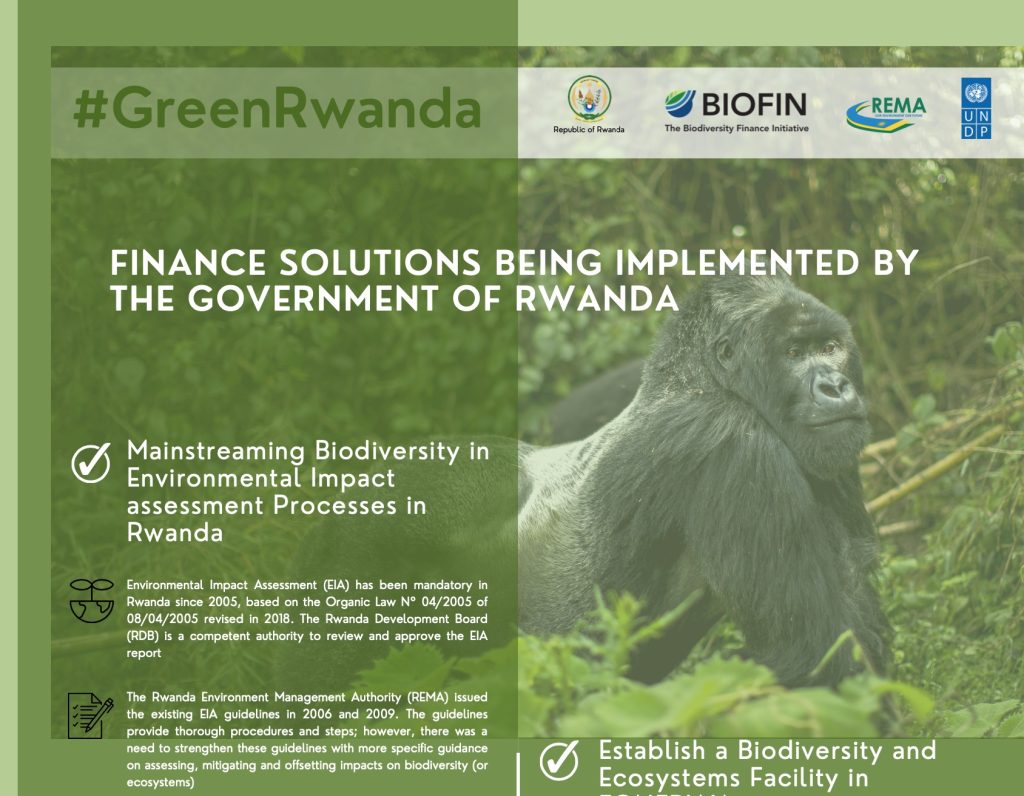
Finance Solution 1: Mainstreaming biodiversity in the EIA processes
Since 2005, Rwanda has mandated Environment Impact Assessments (EIA) for project developers, as stipulated in Organic Law N° 04/2005. However, these assessments have lacked explicit consideration for biodiversity, and the quality of EIA reports has been inconsistent. Biodiversity was absent from the 2006 EIA guidelines issued by REMA. The 2018 Environment Law (Law N°48/2018) and Ministerial Order No 001/2019 further formalized EIA procedures.
To align development investments with biodiversity conservation, Rwanda has integrated biodiversity into its EIA system through the BIOFIN II Project. This includes updating the General EIA guidelines and 11 sectoral guidelines for various projects. The objectives include capacity building, cost reduction, policy alignment, and biodiversity preservation.
The short-term impacts encompass project designs considering sensitive habitats and species, immediate mitigation measures for biodiversity protection. In the long term, these efforts aim to preserve and conserve biodiversity, enhance ecosystem resilience. This initiative reflects Rwanda's commitment to sustainable development and biodiversity conservation.
Finance Solution 2: Fully Channelling Environmental Fees and Fines through a dedicated biodiversity facility in FONERWA
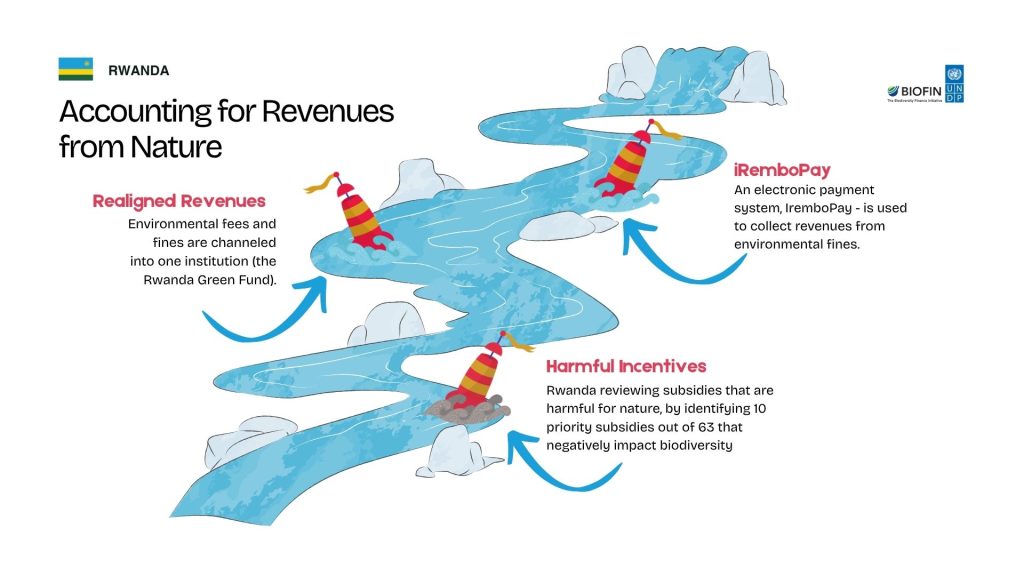
In Rwanda, environmental fees, fines, penalties, and licenses are channeled into the national green fund, FONERWA, to support environmental and climate initiatives. However, since 2012, FONERWA has only accumulated $1.4 million, just 3.4% of its total revenue, with significant annual fluctuations. BIOFIN, I identified issues in fee and fine collection.
Local government-collected fines often face "leakages," and fees, although traceable, may not be collected as required. Recent amendments addressed these challenges; an electronic system for fee and fine collection is being developed to reduce leakages and enhance accountability. A proposal for a 'biodiversity facility' within FONERWA aims to create a revolving fund from environmental revenue, attracting additional funding sources.
Objectives include improving enforcement, generating domestic resources, building institutional capacity, and avoiding future expenditures. Short-term impacts involve increased revenue for biodiversity conservation. In addition, the long-term goals include expanding conservation projects, enhancing biodiversity monitoring and research Etc.…
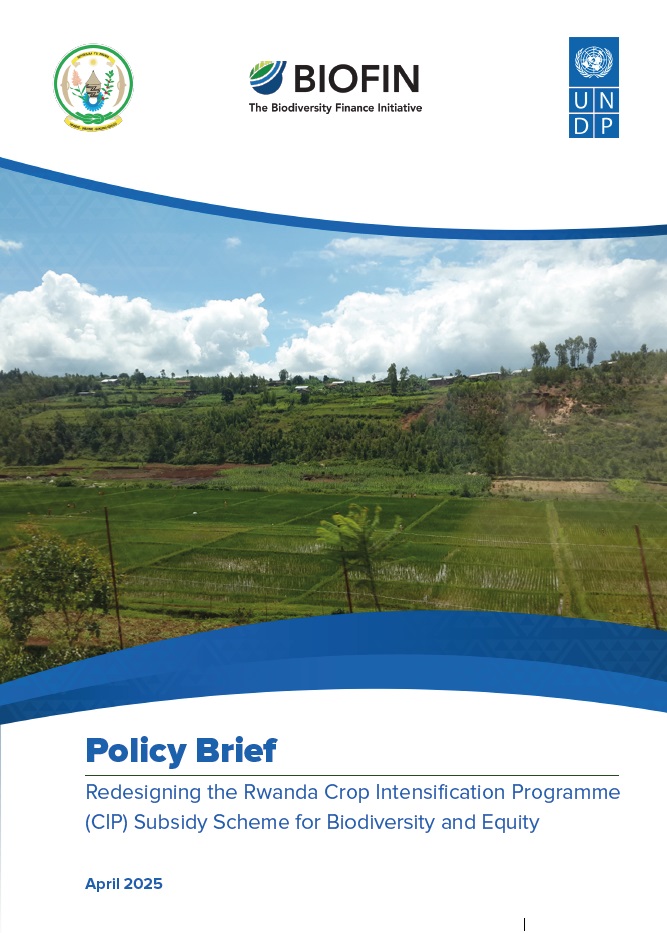
Finance Solution 3: Repurposing potential harmful subsides to biodiversity in Rwanda
A study in Rwanda aims to repurpose harmful subsidies to biodiversity to promote sustainable resource management practices and ensure the long-term availability of natural resources. The study will identify and map negative subsidies to biodiversity and propose new positive subsidies for the government of Rwanda. This initiative will have financial, institutional, policy, and regulatory implications, ultimately leading to long-term biodiversity impact.
Objectives include redesigning harmful subsidies to reduce activities causing environmental degradation and biodiversity loss, supporting sustainable agricultural practices, empowering local communities for sustainable livelihoods, and developing policies prioritizing biodiversity conservation.
In the short term, the impact will include immediate financial relief and support for the transition, although initial resistance and challenges may be encountered. In the long term, the study aims to promote sustainable practices, achieve positive environmental outcomes, enhance economic resilience, and contribute to biodiversity conservation and climate change mitigation.
Finance Solution #1: Mainstreaming biodiversity into the environmental impact assessment process
Finance Solution #2: Fully channeling environmental fees and fines through a dedicated biodiversity facility in FONERWA