
29 October 2026 | The Gambia
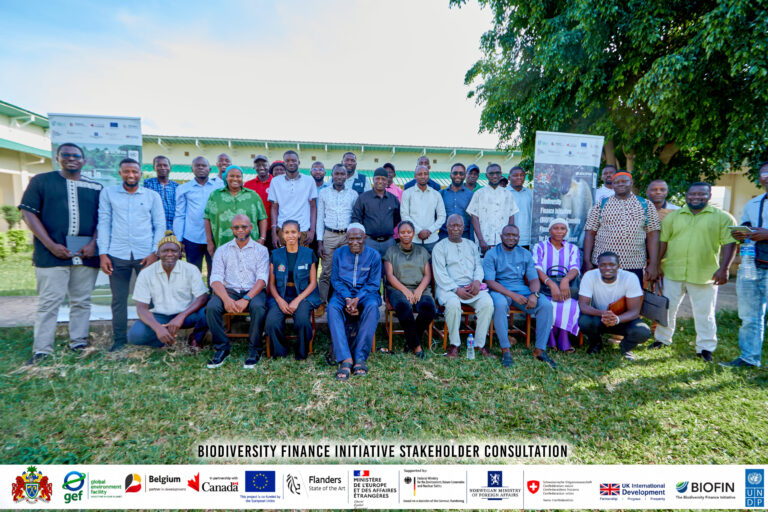
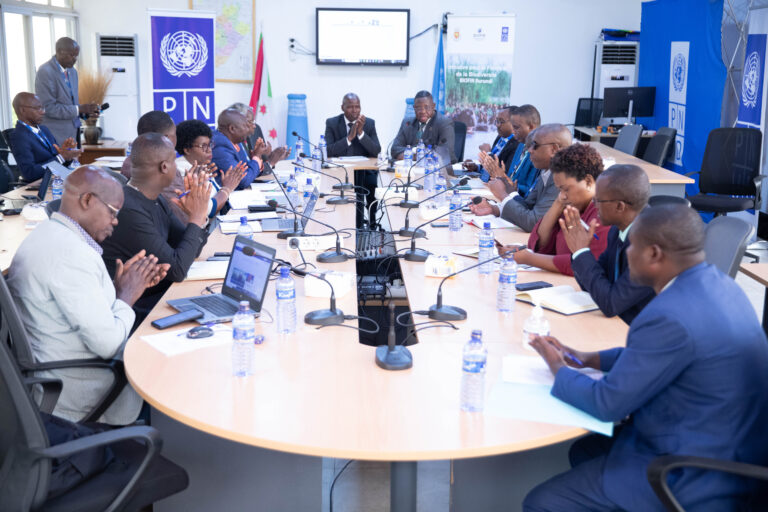
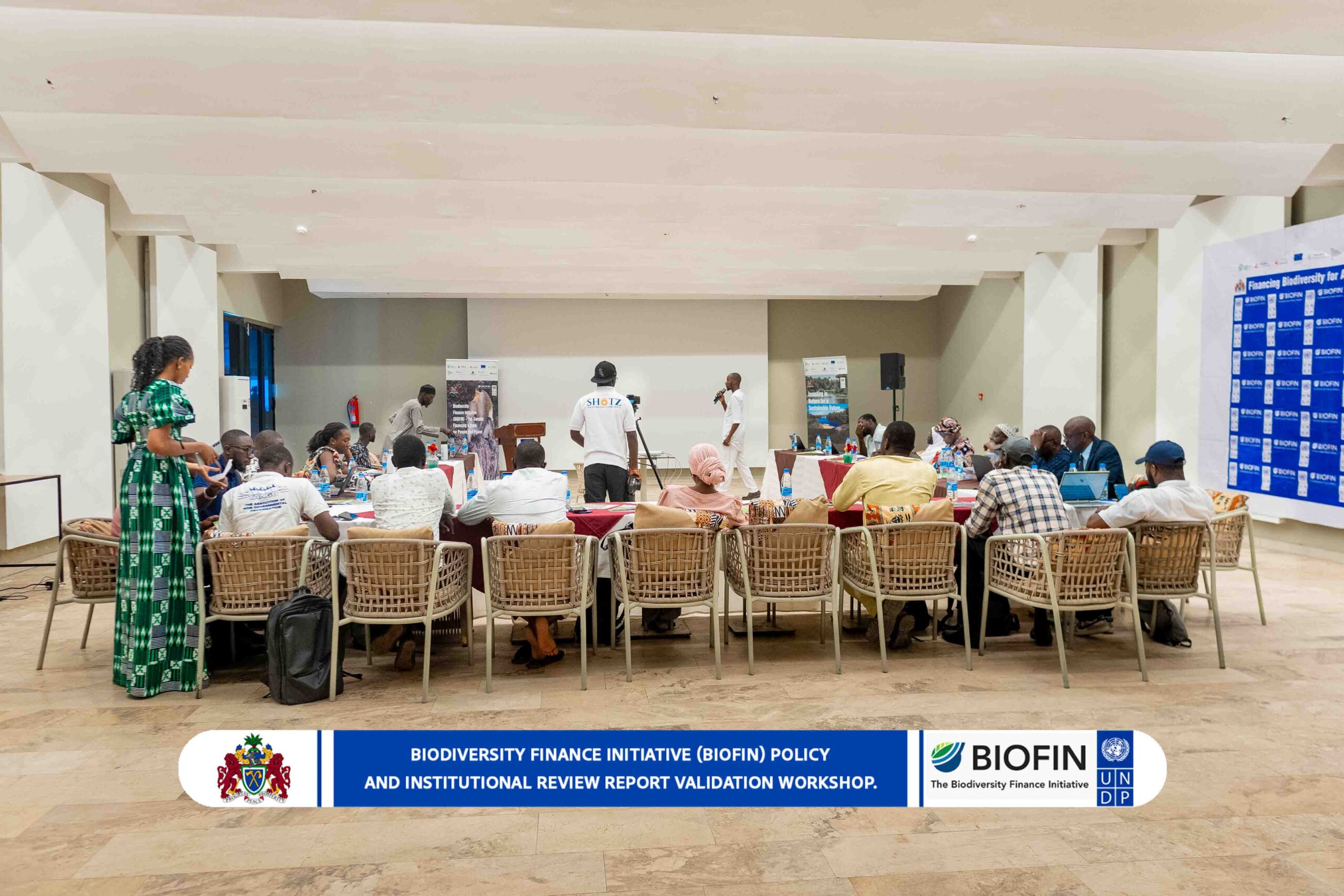
The Biodiversity Finance Initiative (BIOFIN) in The Gambia convened stakeholders on 29 October 2026 for a validation workshop on the country’s Policy and Institutional Review (PIR) Report, marking an important step in efforts to strengthen the financing of biodiversity conservation and sustainable use.
The workshop brought together National stakeholders from the Ministry of Environment, Climate Change and Natural Resources, Ministry of Finance and Economics Affairs, Department of Parks and Wildlife Management, National Environment Agency, Municipal Councils, CSOs and other relevant stakeholders

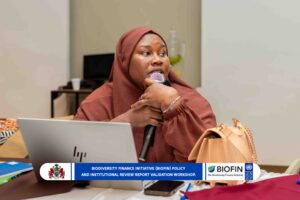
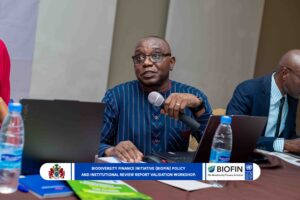
The workshop provided an opportunity to examine the report’s findings and recommendations, gather stakeholder perspectives and assess the policy, legal and institutional conditions that shape biodiversity conservation and financing in the country.
The PIR is a key component of the BIOFIN methodology. It examines how biodiversity is reflected in national development priorities, policies and legislation, while assessing existing financing mechanisms, institutional responsibilities and opportunities to mobilise additional resources for conservation.
The review highlights the importance of biodiversity to The Gambia’s economy, livelihoods and sustainable development. It examines the country’s policy and institutional landscape across sectors including forestry, fisheries, agriculture, tourism, wetlands and natural resource management.
Among the issues identified is the need to strengthen coordination among institutions responsible for biodiversity-related policies and financing. The review also points to opportunities to improve the effectiveness of existing financing mechanisms, clarify the mandates of biodiversity-related funds and strengthen the tracking of financial resources allocated to conservation.
It further identifies opportunities to diversify biodiversity financing through approaches such as community-based financing, private-sector investment, payment for ecosystem services, carbon-related mechanisms and other innovative financing solutions. However, the report emphasises that the existence of a financing mechanism in policy or legislation does not necessarily mean it is fully operational or generating resources.
The findings and recommendations of the PIR will help inform the development of The Gambia’s Biodiversity Finance Plan, which aims to identify practical and sustainable solutions for mobilising, managing and aligning financial resources with national biodiversity priorities.
The validation process underscores the importance of collaboration among government institutions and other stakeholders in addressing biodiversity financing challenges and advancing national commitments to biodiversity conservation.
Through BIOFIN, the Government of The Gambia, with support from the United Nations Development Programme (UNDP), continues to work towards identifying sustainable financing solutions that support biodiversity conservation, ecosystem protection and inclusive development.