
By Chaniya Chombhubol, Communications Associate, UNDP Thailand
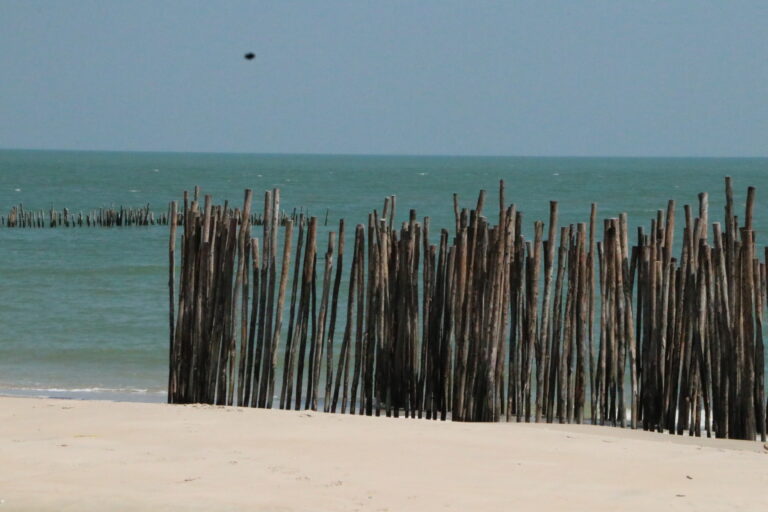
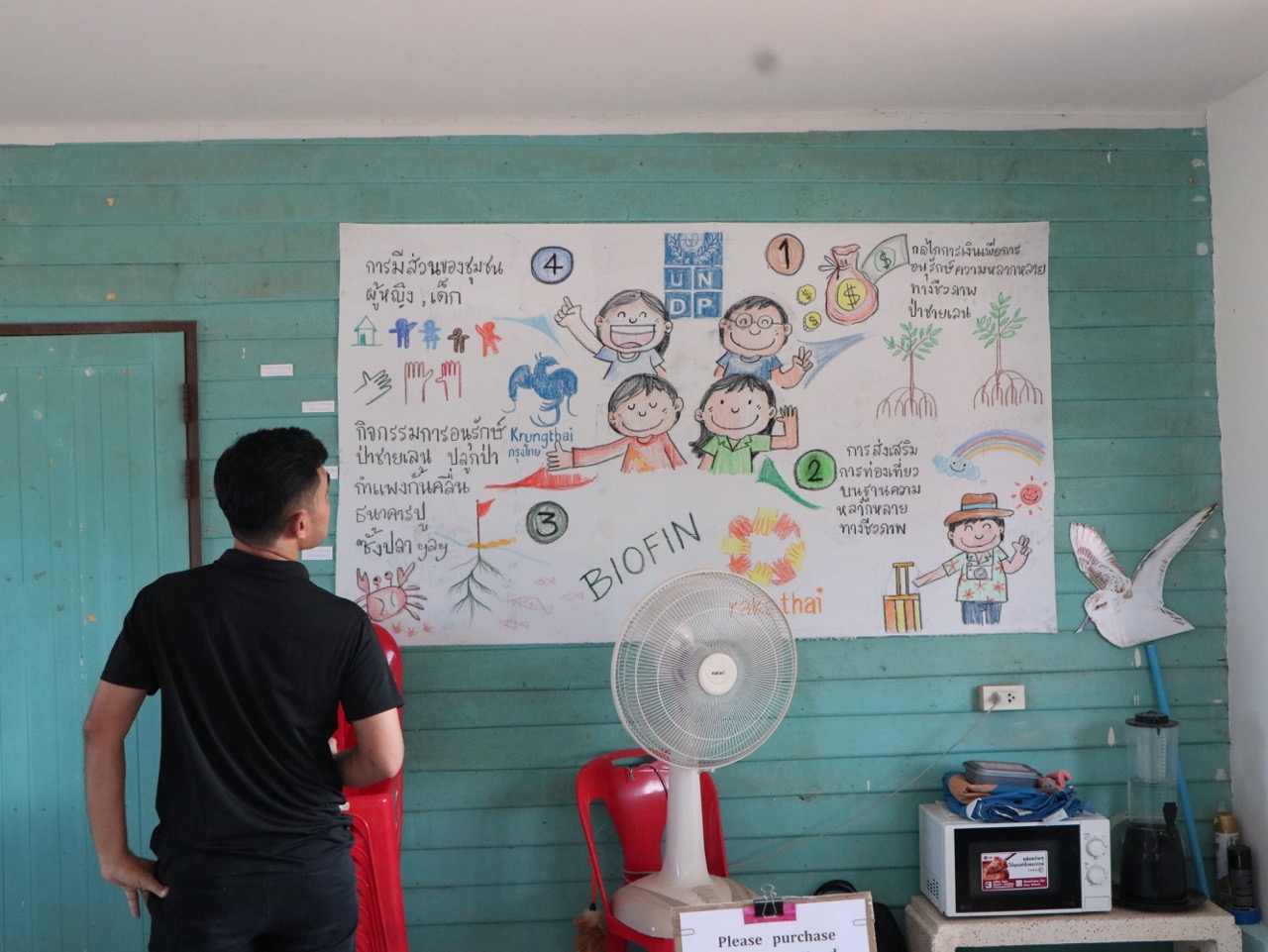
Along the coast of Thailand’s Phetchaburi province, nature sustains local livelihoods, from shellfish gatheringand mangrove-based foods to fishing. But protecting these ecosystems takes resources. Across three sub-districts, Pak Thale, Bang Tabun and Laem Phak Bia, a public-private partnership between Phetchaburi Province and Krungthai Bank, supported by UNDP-BIOFIN, is helping make community-led solutions for nature conservation possible. Communities are finding ways to direct income from local economic activities back into nature.
These are Thailand’s first three subdistricts to develop Local Biodiversity Strategy and Action Plans (LBSAPs) with support from UNDP-BIOFIN, which help communities assess local biodiversity, identify threats and set priorities for conservation. Developed through participatory processes that combine local knowledge, biodiversity data and community priorities, the plans provide a basis for deciding what needs protecting and what action to take.
Beyond the subdistricts, Phetchaburi is also taking steps to make biodiversity part of provincial development. By signing a memorandum of understanding (MoU) with UNDP-BIOFIN in February 2025, the province is demonstrating leadership in bringing biodiversity conservation into development planning, alongside economic growth, incorporating biodiversity into provincial strategies and decision-making.
Here are on-the-ground stories how local communities invest in nature: from tourism income to locally made products
Pak Thale: Every Boat Trip Counts for Mangrove Conservation
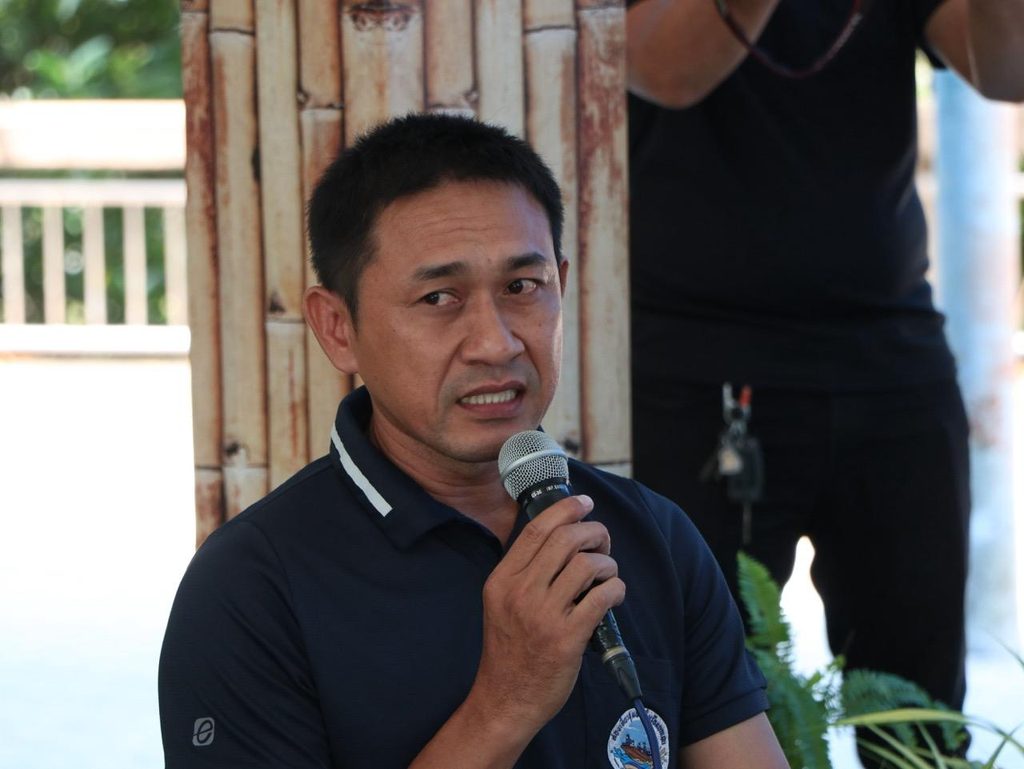
“We first looked at what makes each of the three subdistricts unique. In Pak Thale, one of those strengths is its mangroveforest,” says Acting Sub Lt. Keratep Pratchayanawin, known locally as Phu–Yai–O (Phu-Yai means a head of village in Thai), Chairperson of the Community Enterprise for Mud-Sled Boat Tourism and Processed Seafood; Village Head of Bang In Pattana
For the people of Pak Thale, mangroves are part of life along the coast, supporting biodiversity and the natural resources the community depends on. They also attract visitors, creating opportunities for local income. The challenge is to ensure that tourism helps care for the very landscape that makes these visits possible.
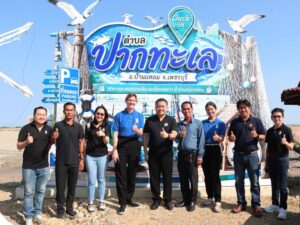
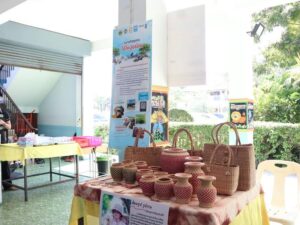
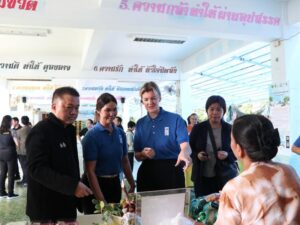
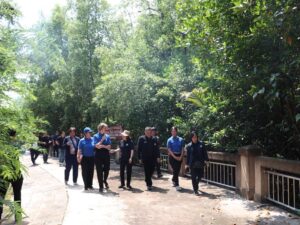
The community has built conservation into its boat tours. From every 1,200-baht boat trip through the mangroves, 100baht goes into a community environmental fund to help care for the forest. In this way, each trip contributes not only to local livelihoods but also to protecting the mangroves for the future.
Bang Tabun: From Overlooked Fruits to Sweet Treats that Fund Nature Conservation
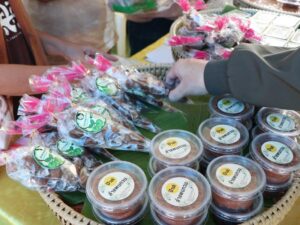
In Bang Tabun, mangroves are finding their way from the forest into the community kitchen, where local plants become traditional Thai sweets and other dishes.

Thai-style desserts from the mangrove area of Bang Tabun Subdistrict
“We want people in the community to see the value of mangrove plants and help the community earn an income,” says Ratchanok Sangsuwan, Representative of the “Pa Rae” Community Enterprise, Thai-style desserts from the mangrove area of Bang Tabun Subdistrict.
One example is lamphaen (ลำแพน), a mangrove plant whose fruits were once often left to fall unused. Auntie Rae Community Enterprise now buys the fruits from local residents and turns them into Thai sweets and other dishes to sell,creating a market for something that might otherwise go to waste.
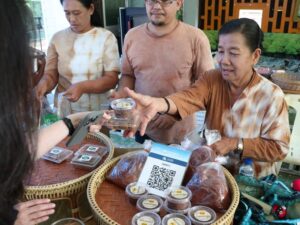
The enterprise also shares local food traditions with visitors and younger generations through hands-on food-making activities. Visitors can learn to make local delicacies, while students discover the mangrove plants around them and the knowledge passed down through their community. These activities provide another source of income while helping keep local food traditions alive.
Laem Phak Bia: From Business Profits to Bringing Back the Crabs
In Laem Phak Bia, blue swimming crabs have long been part of local life. Through the Oho Pu Aroi Community Enterprise, residents turn this local treasure into seafood dishes and invite visitors to experience their fishing traditions. By directing 5% of its net profits to a community environmental fund, the enterprise helps protect the coastal resources that sustain both the crabs and local livelihoods.
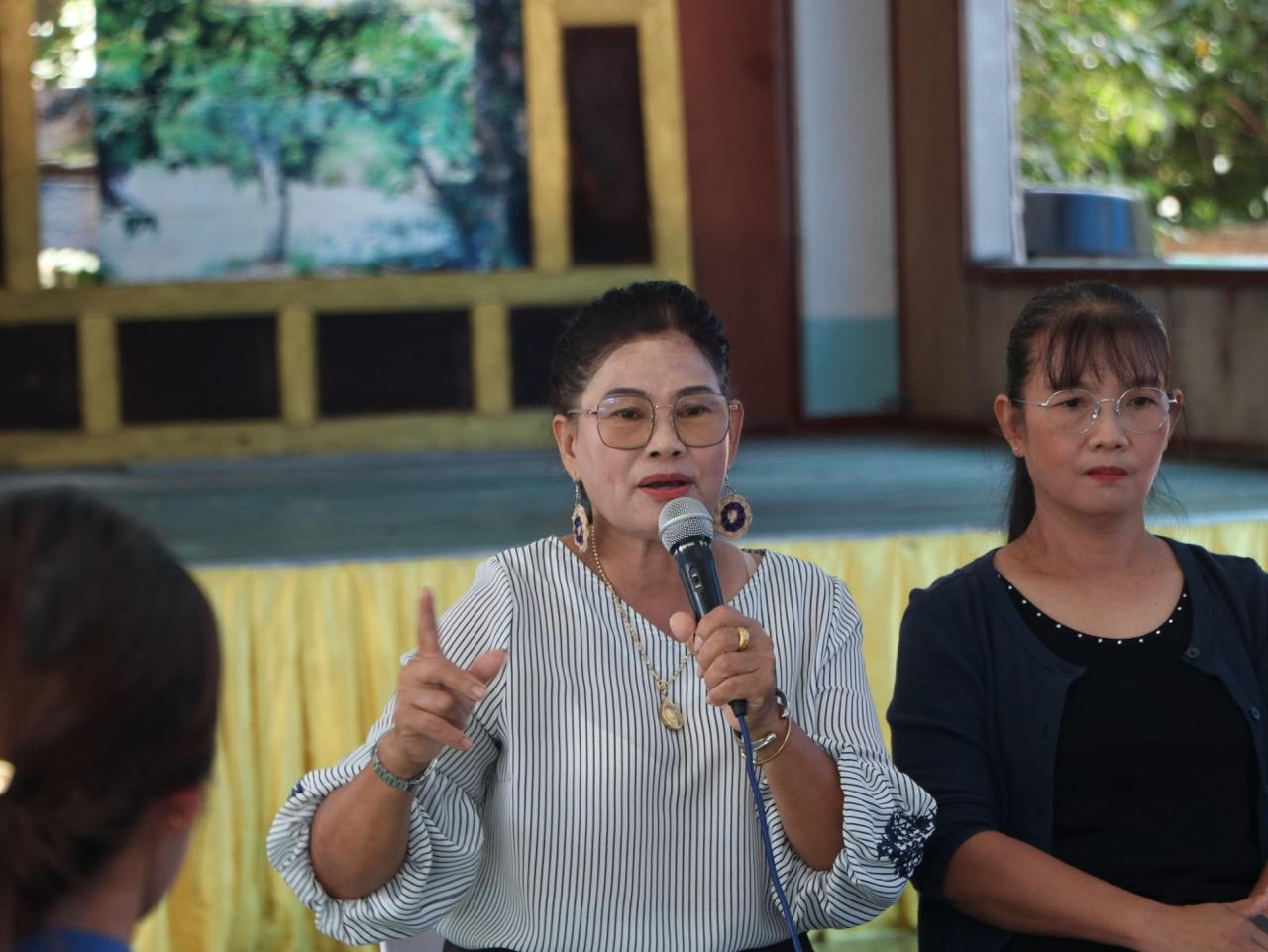
“If we hadn’t started doing this, by now we might not have blue swimming crabs left for our children to gather and eat, or for tourists visiting our community,” says Acharee Soemsap, Chairperson of the “Oh-Ho Pu Aroi” Community Enterprise, Laem Phak Bia Subdistrict.
The fund supports coastal restoration and crab conservation, from releasing young crabs and managing crab banks to encouraging fishers to leave egg-bearing female crabs in the sea to reproduce. By connecting local business with conservation, the community is helping ensure that future generations can continue to live from and enjoy these coastal waters.
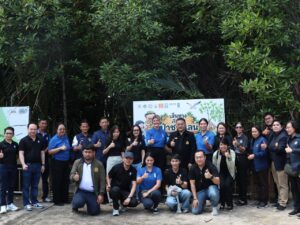
Financing Nature Starts Locally
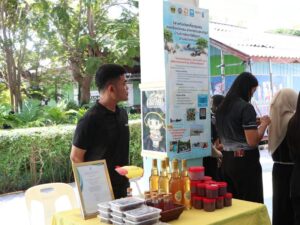
In Pak Thale, Bang Tabun and Laem Phak Bia, communities are turning the value of nature into a source of funding for its protection, from contributions from boat trips to profits from local enterprises. These are small-scale mechanisms, but they show how livelihoods can help finance the conservation of the ecosystems communities depend on.
Over the past two years, all three subdistricts have developed Local Biodiversity Strategy and Action Plans (LBSAPs) with support from UNDP-BIOFIN, identifying local conservation priorities and linking them to budget planning. Their experience highlights a key challenge in biodiversity conservation: plans need financing to become action. By investing in nature locally and integrating conservation into planning, communities and local authorities can help build a more sustainable future for both people and nature.