


By UNDP Viet Nam | 14 September 2026
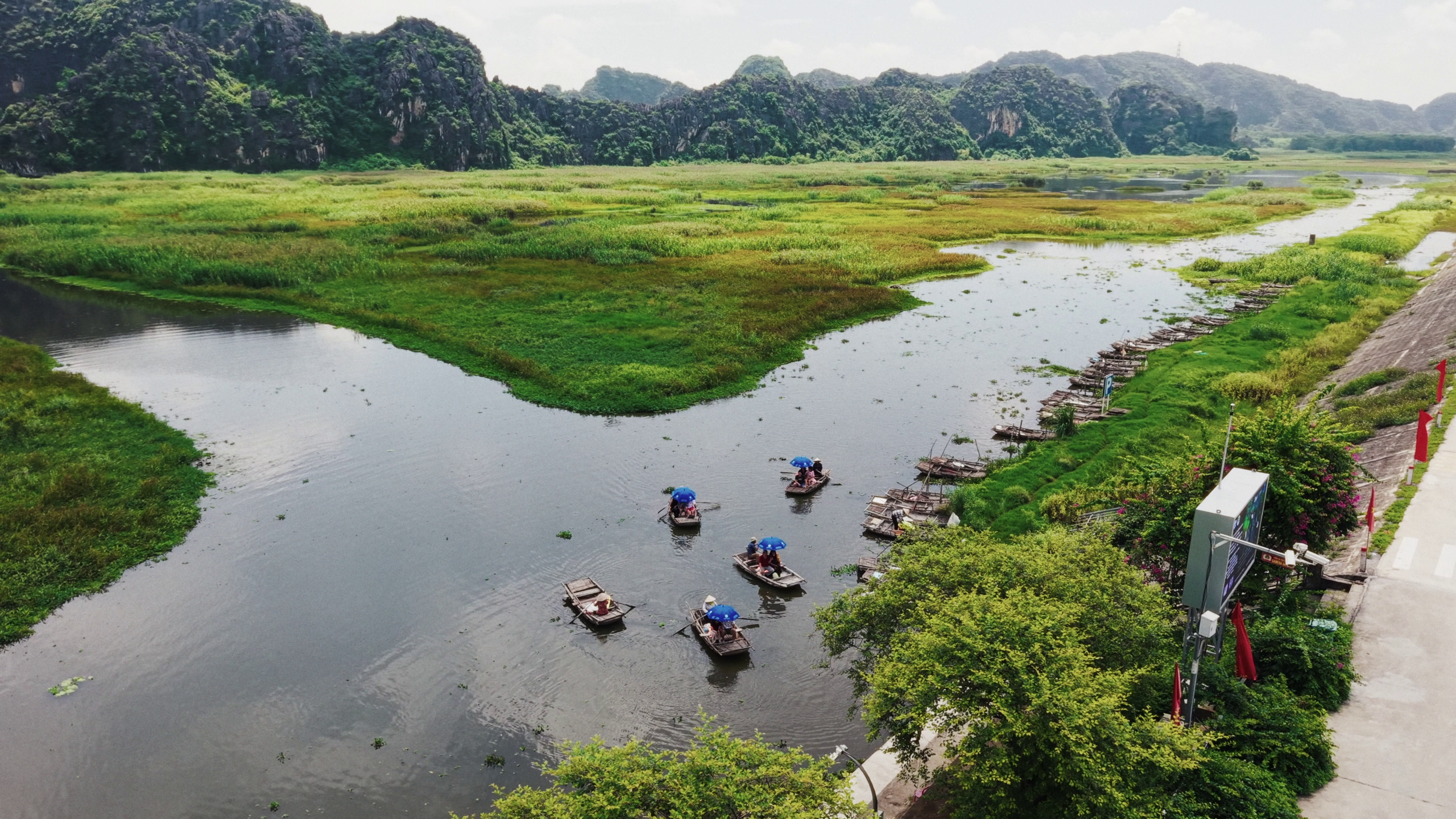
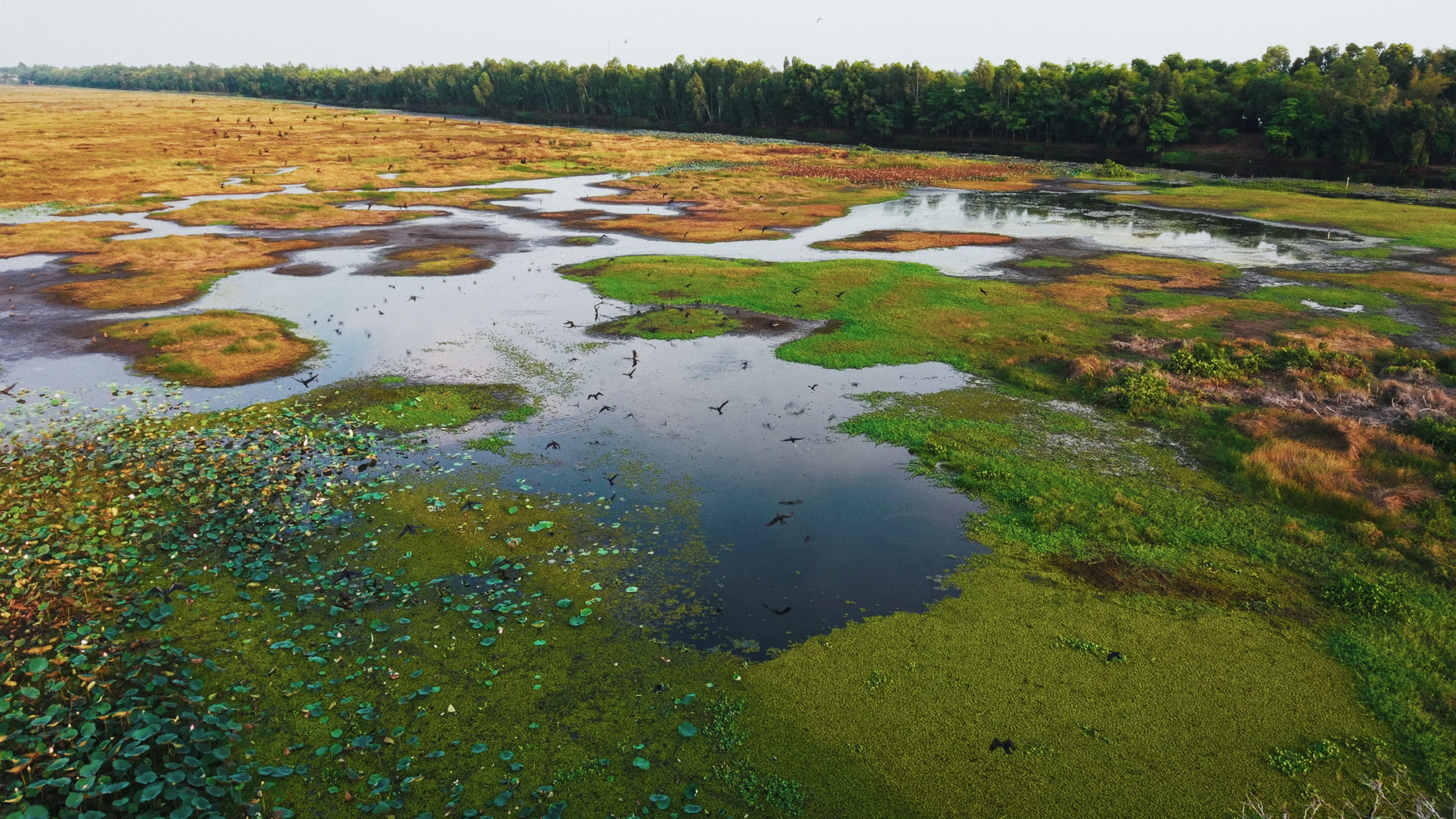
For the past decade, the skies over Tram Chim National Park in Dong Thap Province have grown quieter with each returning spring.
The area was once a familiar feeding ground for Sarus cranes, ibises and spoonbills across its extensive fields of water chestnut. However, changes to the wetland’s hydrological regime caused by water regulation, intensive agriculture and the effects of climate change gradually degraded their feeding habitat, and fewer birds returned.
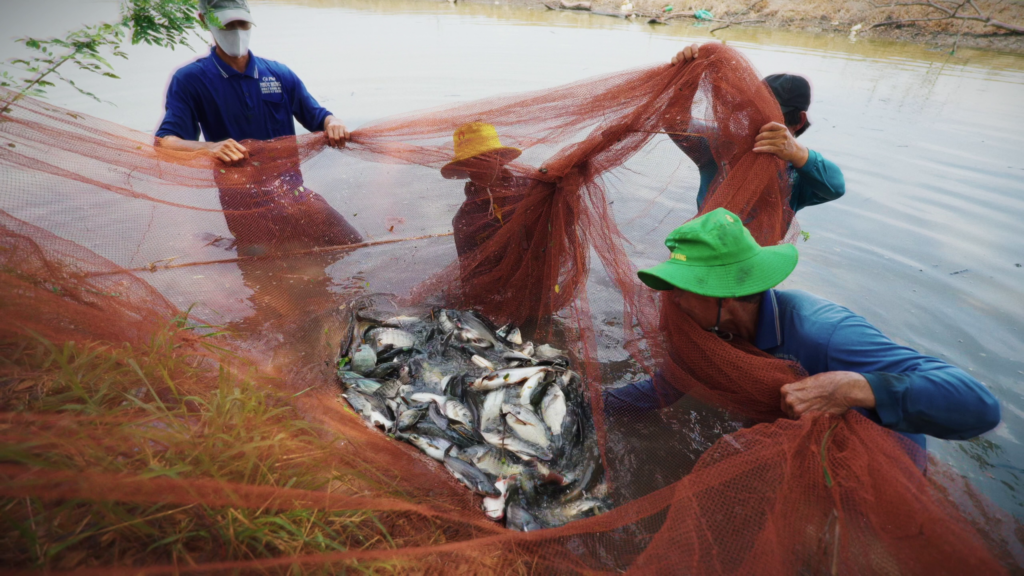
The lives of communities around Tram Chim have long been closely connected with this wetland. The national park not only supports livelihoods, particularly through tourism and related services, but also sustains many local economic activities. In turn, these livelihoods depend on the abundance of species, landscapes and natural values that make Tram Chim attractive.
When the balance between people and the ecosystem was disrupted, restoring the wetland became one of the priorities of the National Park Management Board and its partners.
One approach now being explored is the creation of a mechanism through which businesses benefiting from the ecosystem would share responsibility for its conservation. Under the payment for ecosystem services scheme being developed at Tram Chim, part of the revenue generated by businesses that benefit from the wetland would be reinvested in restoration and conservation in the national park.
Through this approach, businesses deriving value from Tram Chim’s ecosystem services would help share the cost of safeguarding the natural resources on which their own operations depend, thereby contributing to a more stable source of finance for long-term conservation.
UNDP’s Nature Pledge places nature at the heart of development, recognizing it as an essential foundation for human life and prosperity. Because economies and societies depend on healthy ecosystems, development models must also generate investment flows back into nature so that ecosystems can be protected, restored and sustained over the long term.
With this objective, the Biodiversity and Ecosystem Services Network (BES-Net) worked with government agencies, businesses and other stakeholders in Viet Nam to promote and expand payment mechanisms based on ecosystem services. Through these mechanisms, local communities and those directly safeguarding biodiversity can be recognized and appropriately supported for their role in maintaining the benefits that nature provides.
This approach is known as payments for ecosystem services, or PES.

The journey began with the National Ecosystem Assessment, published in 2022. The assessment provided an overall picture of the state of Viet Nam’s ecosystems and identified areas where practical solutions tailored to local conditions were needed.
The next step was to put the assessment’s recommendations into practice. This was also the purpose of catalytic support from the BES Solution Fund, including assistance in developing a pilot payment for wetland ecosystem services scheme at Tram Chim National Park.
From 2022 to 2025, the BES Solution Fund was implemented by UNDP Viet Nam through BES-Net, in cooperation with the Nature and Biodiversity Conservation Agency under the Ministry of Natural Resources and Environment, now the Ministry of Agriculture and Environment; the Tram Chim National Park Management Board; the Institute of Strategy and Policy on Natural Resources and Environment, now the Institute of Strategy and Policy on Agriculture and Environment; and other relevant partners.
Viet Nam already had experience implementing payments for ecosystem services at scale through its policy on payments for forest environmental services, which has been implemented nationwide since 2011. Between 2011 and 2020, the mechanism mobilized more than VND 16.746 trillion, equivalent to approximately US$636 million.
These resources supported 215 forest management boards, 88 forestry companies, 8,067 community forest owners, 1,432 commune-level authorities and other forest management organizations, as well as approximately 540,000 households and individuals who were forest owners, households contracted to protect forests, and households benefiting through communities and commune authorities.
Building on this experience, the 2020 Law on Environmental Protection and Decree No. 08/2022/ND-CP expanded the legal basis for payments for natural ecosystem services beyond forests, including services provided by marine and wetland ecosystems.
This policy framework enables local authorities, ecosystem management bodies and other stakeholders to develop, pilot and gradually expand payment mechanisms suited to local conditions, thereby mobilizing additional resources for conservation and sustainable ecosystem management.

At Tram Chim, businesses benefiting from ecosystem services, particularly in tourism, leisure and recreation, are expected to contribute to conservation.

Those who derive economic value from the environment can compensate those who protect and conserve it
Building on the technical foundation established by BES Net
Building on the technical foundation and institutional lessons from the development of the payment for wetland ecosystem services scheme at Tram Chim National Park, the United Nations Development Programme’s Biodiversity Finance Initiative, UNDP BIOFIN, is researching and developing a payment for marine ecosystem services mechanism for the Cu Lao Cham–Hoi An Nature Reserve in Da Nang City.
It is expected to become one of the first marine ecosystem-service payment mechanisms implemented at a specific site in Viet Nam, initially focusing on tourism, leisure and recreation activities.
At present, most of the cost of managing the nature reserve is still covered by the state budget, while the benefits of conservation are distributed widely across the commercial value chain connected with the reserve. This raises an important question: how can businesses benefiting from natural resources, landscapes and ecosystem services also share responsibility and the cost of managing and protecting those values?
Under the scheme being studied, the prospective payer groups include travel companies, diving service providers and transport operators, with a proposed contribution equal to 1 percent of revenue. This level draws on the precedent set by payments for forest environmental services in the tourism sector. Part of the anticipated revenue would be used to operate and administer the payment mechanism, while most would be reinvested in marine conservation, ecosystem restoration and community development.
The resources could support activities such as marine conservation communications; patrolling and monitoring; coral reef and seagrass restoration; coastal habitat restoration; livelihood support; capacity-building; and incentives for businesses to adopt more environmentally friendly forms of tourism.

Lessons from the implementation of Phase II of the BES Solution Fund in Viet Nam are also being applied to the design of the mechanism at Cu Lao Cham. One important lesson is the need to define the roles and responsibilities of each institution clearly from the outset. Protected-area management boards should serve as the technical focal points at site level, while the relevant provincial departments should lead the completion of documentation, policy coordination and submission to the competent authorities for consideration and approval.
BES-Net helped establish the technical foundation for payment mechanisms for ecosystem services beyond forestry, including guidance on payments for marine and wetland ecosystem services and a draft pilot scheme for Tram Chim. These results provided a basis for UNDP BIOFIN to research and develop the concept of a payment for marine ecosystem services mechanism at Cu Lao Cham, while also strengthening national expertise in designing and operating new pilot models for marine and wetland ecosystems,” —said Hoang Thu Thuy, Programme Officer at UNDP Viet Nam.
Beyond UNDP programmes, the technical knowledge and institutional lessons generated through this work can be applied to other mechanisms and protected areas across the country, thereby strengthening capacity at both national and local levels.
According to Ms Thuy:
“The process helped strengthen expertise at both national and local levels in ecosystem valuation, identifying ecosystem services, mapping groups responsible for payments, developing benefit-sharing mechanisms and designing payment models for ecosystem services beyond forestry. These capacities are particularly important because payments for marine and wetland ecosystem services remain a new field in Viet Nam, both technically and institutionally.”
These capacities are particularly important because payments for marine and wetland ecosystem services remain a new field in Viet Nam, both technically and institutionally
From the foundation established by BES-Net to the work being taken forward by UNDP BIOFIN, the draft mechanism at Tram Chim and the proposed payment for marine ecosystem services scheme at Cu Lao Cham show how Viet Nam is gradually translating policy into practice through models tailored to local conditions. This experience also shows that conservation and development do not necessarily have to be competing choices.
When policy responds to practical needs and responsibilities are appropriately shared among those who benefit, the two objectives can advance together and reinforce one another.
Tram Chim and Cu Lao Cham not only have significant biodiversity value but also directly benefit communities and local economic activity. Their ecosystems help regulate floods, store carbon, maintain fisheries resources, and create landscapes that attract visitors. Yet most conservation costs are still borne by the State, while the economic benefits are shared among many businesses and other stakeholders.
Experience from Tram Chim and Cu Lao Cham shows that this gap can gradually be narrowed using existing legal instruments. A mechanism developed for a wetland in the Mekong Delta can be adapted for application in marine protected areas along the central coast.
The original version is available here