
In Uvs aimag (province), B. Enkhtuya is showing what this looks like in practice.
As head of the Department of Environment and Tourism, Enkhtuya leads a 47-person team responsible for biodiversity, wildlife, forests, water, pastureland, waste, climate change, environmental awareness and tourism. Women make up more than 60 percent of environmental sector staff in Uvs.
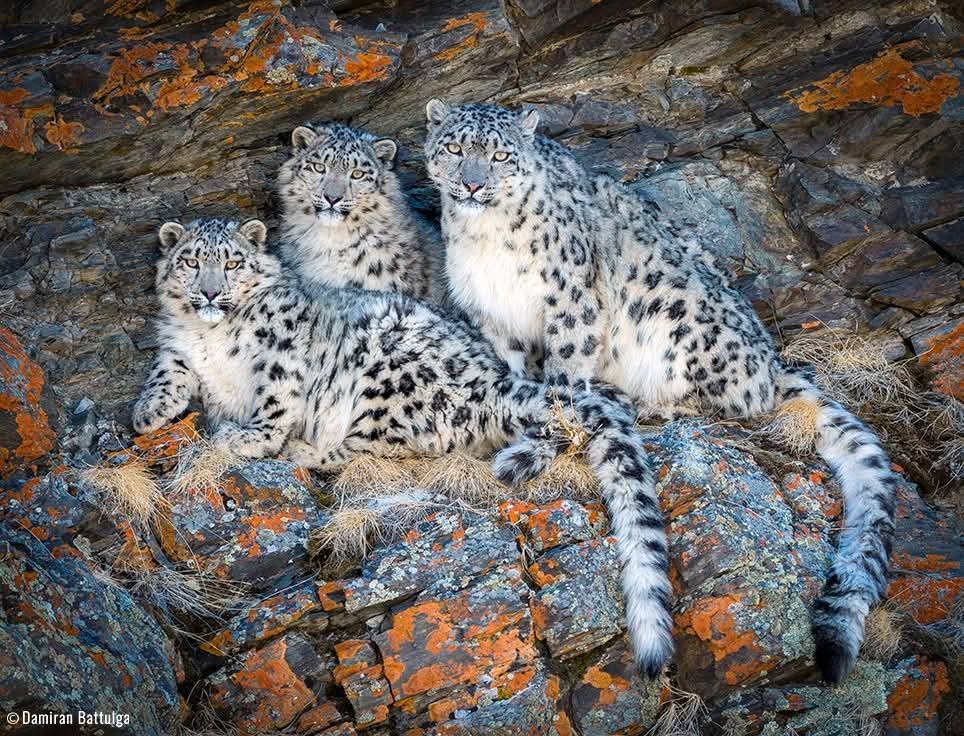
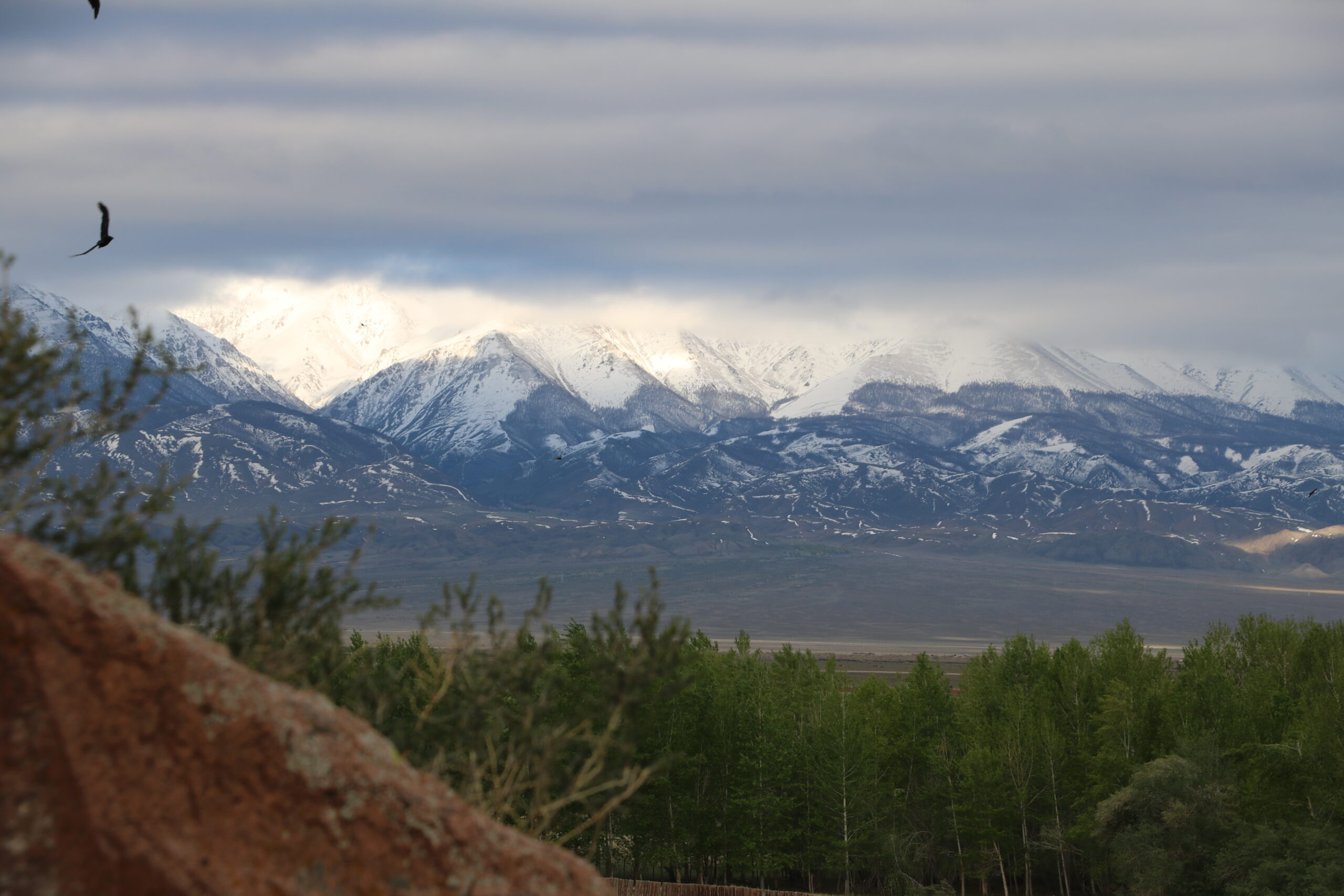
Uvs contains nearly all of Mongolia’s ecological zones. Its landscapes stretch from snow-capped mountains and forest-steppe to deserts, lakes and rivers. The Uvs Lake Basin retains much of its original wilderness and provides habitat for wildlife including the snow leopard. More than 400 bird species have been recorded around Uvs Lake during the warm season.
For Enkhtuya, protecting these ecosystems is inseparable from the question of how conservation is financed.

From conservation ambition to financing action
Limited public financing has long constrained conservation at the local level in Mongolia. One important source of domestic funding is the Natural Resource Use Fee system. Fees paid for the use of natural resources contribute to aimag and soum (district) budgets.
Local institutions need the knowledge and systems to collect, allocate, spend and report on these revenues.
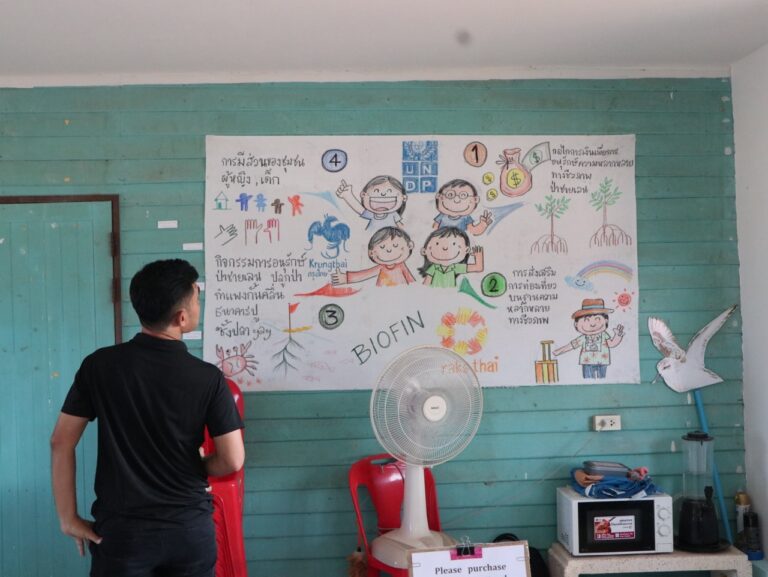
Before 2021, Enkhtuya recalls, there was limited understanding of the Natural Resource Use Fee Law at the local level. UNDP’s Biodiversity Finance Initiative (BIOFIN) supported nationwide training, practical manuals and local trainers to help rangers, government officials and decision makers understand how to collect, allocate, spend and report on environmental revenues. In 2022, Mongolia approved revised regulations on how fee revenues are collected, spent and reported for environmental protection and restoration.
In Uvs, Natural Resource Use Fee collections reached 96.3 percent of planned revenue in 2023, 101 percent in 2024 and 85.12 percent in 2025. Spending reached 65.5 percent, 77.1 percent and 67.6 percent of planned expenditure in those same years. Even in 2024, when Uvs exceeded its revenue target, it carried out just over three quarters of its spending plan.
Women’s leadership at the heart of biodiversity finance
A forestry graduate of the National University of Mongolia, Enkhtuya began her career in 1998 at the Ulaangom City Mayor’s Office. Over 28 years, she has worked across ecology, environmental inspection, forestry and local administration. She became head of the Uvs Department of Environment and Tourism in 2021.
In 2025, her department worked with the Agriculture and Tax Departments to coordinate their work on livestock head taxes and Natural Resource Use Fees and strengthen local accountability. Teams visited the five soums with the lowest revenues and the five with the highest. They helped explain the taxes and fees and align pasture-use regulations with local conditions and legal requirements.
The collaboration brought together officials responsible for pasture management, livestock policy, taxation and conservation.
Turning finance into conservation results
In Uvs, environmental revenues and conservation initiatives give a picture of the work underway across the province.
Hunting resource-use fees generated MNT 2.9 billion for soum budgets in 2025. Enkhtuya’s department also helped establish a wildlife care and protection team by order of the aimag governor. WWF provided first-aid kits and training to help the team respond to injured wildlife. Enkhtuya hopes the initiative will develop into a wildlife protection centre serving western Mongolia.
In 2025, investments supported the rehabilitation of Ulaangom’s central dumpsite and improvements to waste sites across 16 soums. The total dumpsite area fell by 100 hectares, or 60 percent, helping protect soil, water, air, pastureland and public health.
Leading conservation in a changing climate
Annual monitoring at the same observation point in Uvs shows that the permanent snowline has moved 32 metres uphill since 2013. Shrinking snowfields threaten river flows that households, herders and farmers depend on. Drought, dzud (severe winter conditions that can cause livestock losses), wildfire risks and pressure on natural resources compound these challenges.
For Enkhtuya, evidence must therefore inform both policy and investment. Regular monitoring and research are essential to understanding environmental change and directing action toward the places and ecosystems that need it most.
Investing in women who invest in nature
Enkhtuya’s experience also reveals another important reality: the women protecting Mongolia’s environment need support themselves.
Environmental officers and rangers frequently travel to remote locations and work under harsh conditions. Some women in Uvs have spent as many as 120 days a year on field missions while also facing expectations that they take primary responsibility for family and household care.
Women are helping lead local conservation efforts, mobilize communities and connect environmental action with everyday concerns around water, pasture, health and livelihoods. Enkhtuya’s department works with 68 community conservation groups and with children’s eco-clubs in every soum. She also helps organize the annual Western Region Women in Environment Forum, where women environmental professionals exchange experiences and discuss shared challenges.
Investing in nature also means investing in institutions, leadership and people who decide how biodiversity resources are used. Ensuring that women have a meaningful voice in those decisions can strengthen the connection between financing, local priorities and conservation action.
Financing nature, empowering leadership
Enkhtuya’s experience in Uvs shows how local institutions and communities can help direct conservation funding towards local priorities.
As Mongolia works to close its biodiversity finance gap, women working in conservation need the opportunity, authority and resources to help decide how that money is spent.