
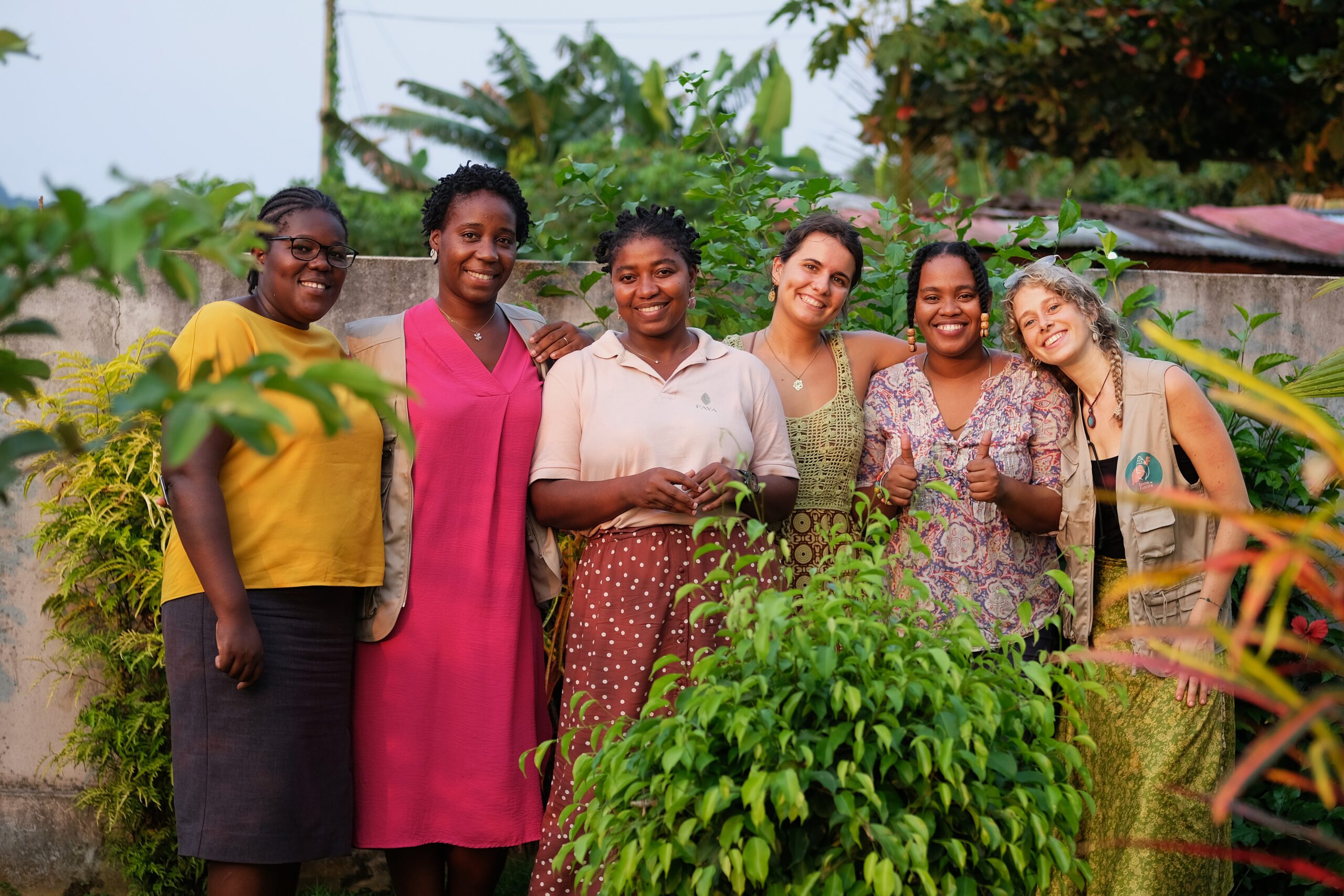
Twenty young women are gaining the skills, networks and financial knowledge needed to protect the island nation’s unique biodiversity and build sustainable livelihoods from nature.
São Tomé and Príncipe is home to extraordinary biodiversity. Its forests, mountains and coastal ecosystems harbour species found nowhere else on Earth and provide food, livelihoods, medicines and cultural value to communities across the islands.
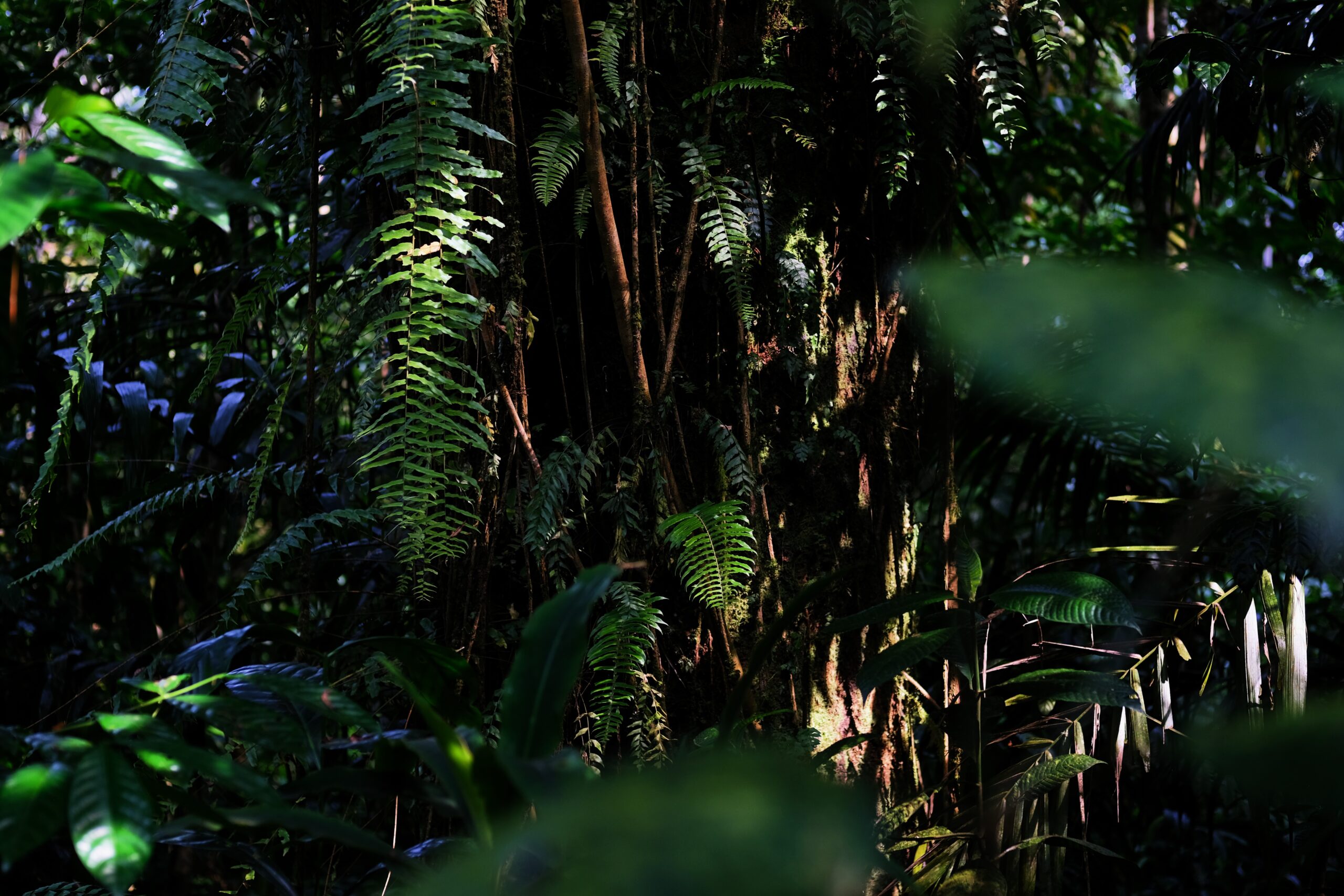

A new initiative is now working to ensure women have more opportunities to help protect this natural wealth and to lead, finance, and sustain long-term conservation efforts.
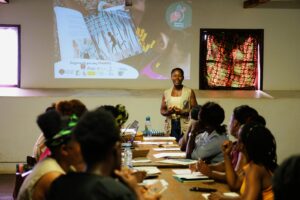
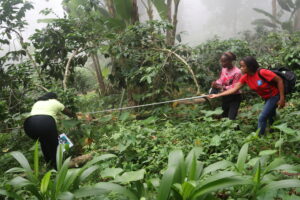
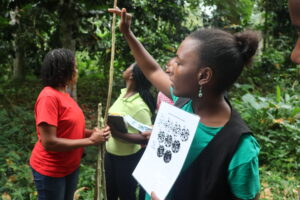
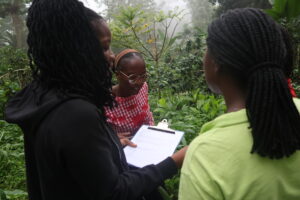
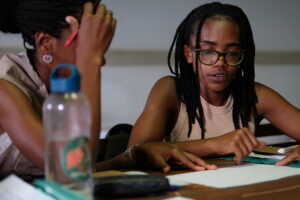
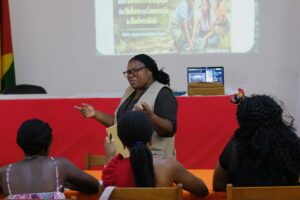
Since the beginning of 2026, at least 20 young women have participated in Contos da Floresta: Conservação da Natureza Feita por Mulheres—Forest Tales: Nature Conservation by Women. Through practical training and mentoring, they are developing skills in biodiversity conservation, environmental education, project development, fundraising and biodiversity finance.
The initiative is led by the Gulf of Guinea Biodiversity Centre and supported by the National Geographic Society and Indianapolis Zoo. It is implemented in collaboration with Associação Mamã Catxina, Alisei NGO, BirdLife International, Fundação Príncipe, the Directorate of Forests and Biodiversity, Obô Natural Park, Tela Digital, the International Union for Conservation of Nature (IUCN), SeedScience and other partners.
Addressing a longstanding imbalance
“Although biodiversity has a feminine name, in São Tomé and Príncipe its face is male.”
This reflection, shared by local conservation practitioners, captures an imbalance that has long been visible in the country’s conservation sector.
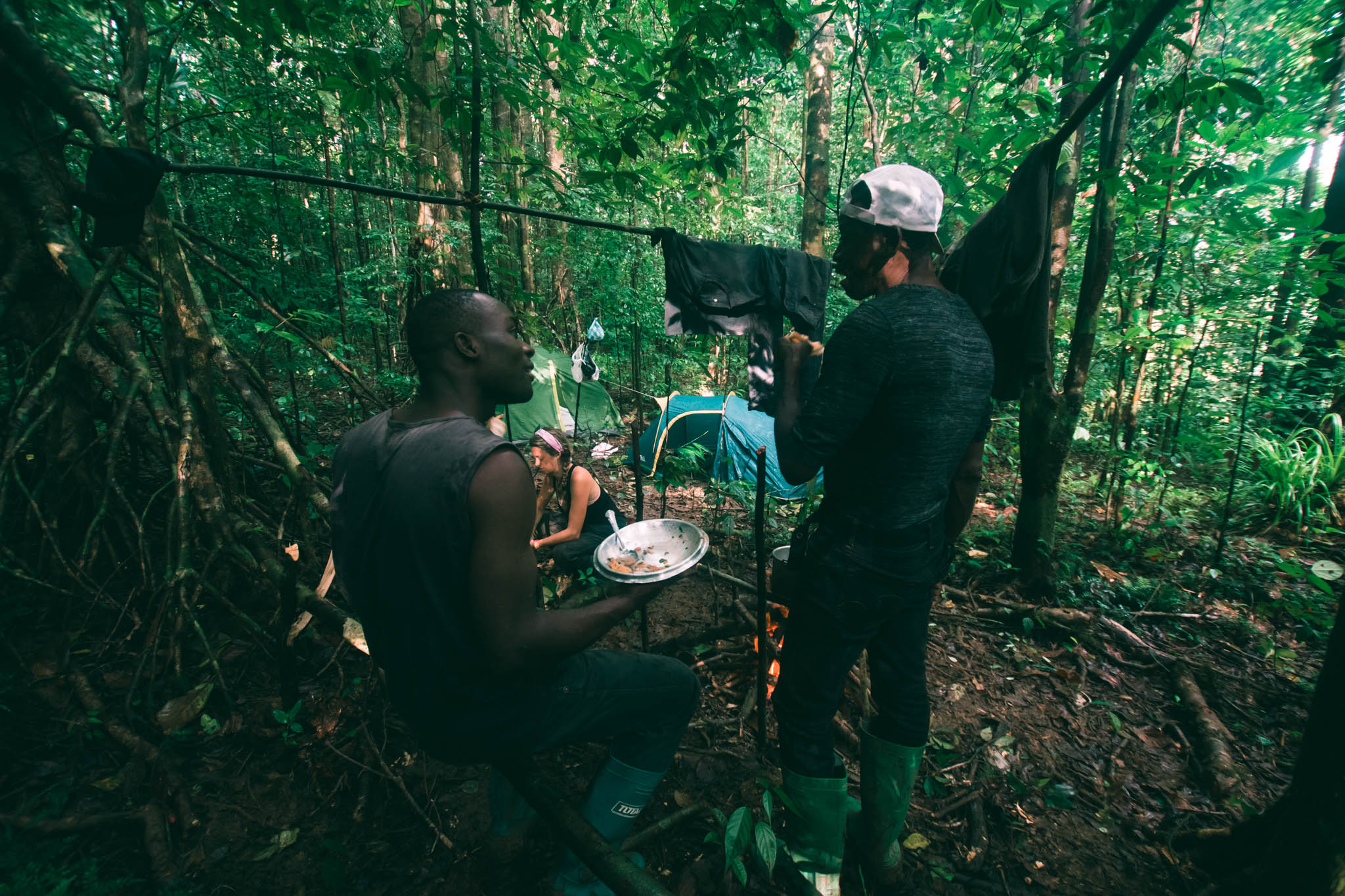
At the same time, women have always maintained a close relationship with forests and other ecosystems. Their responsibilities have included collecting medicinal plants and firewood, fetching water, washing clothes in rivers, farming and processing or selling agricultural, forest and fisheries products.
This daily interaction has given women extensive knowledge of natural resources. Yet their knowledge and contribution have frequently gone unrecognized, and they have had fewer opportunities to influence conservation decisions or develop businesses that benefit both people and biodiversity.
Available national data cited in a 2022 study illustrates some of these barriers. The study reported an unemployment rate of 14.6 percent among women, compared with 5.1 percent among men. It also found that women represented 71 percent of workers in the informal sector, particularly in activities related to agricultural, forest and fisheries products, but occupied only 24.4 percent of legislative and senior decision-making positions.
Expanding women’s opportunities to participate in conservation and strengthening their ability to develop biodiversity-positive enterprises can help turn their existing knowledge of nature into leadership, employment and sustainable livelihoods.
Connecting generations of women
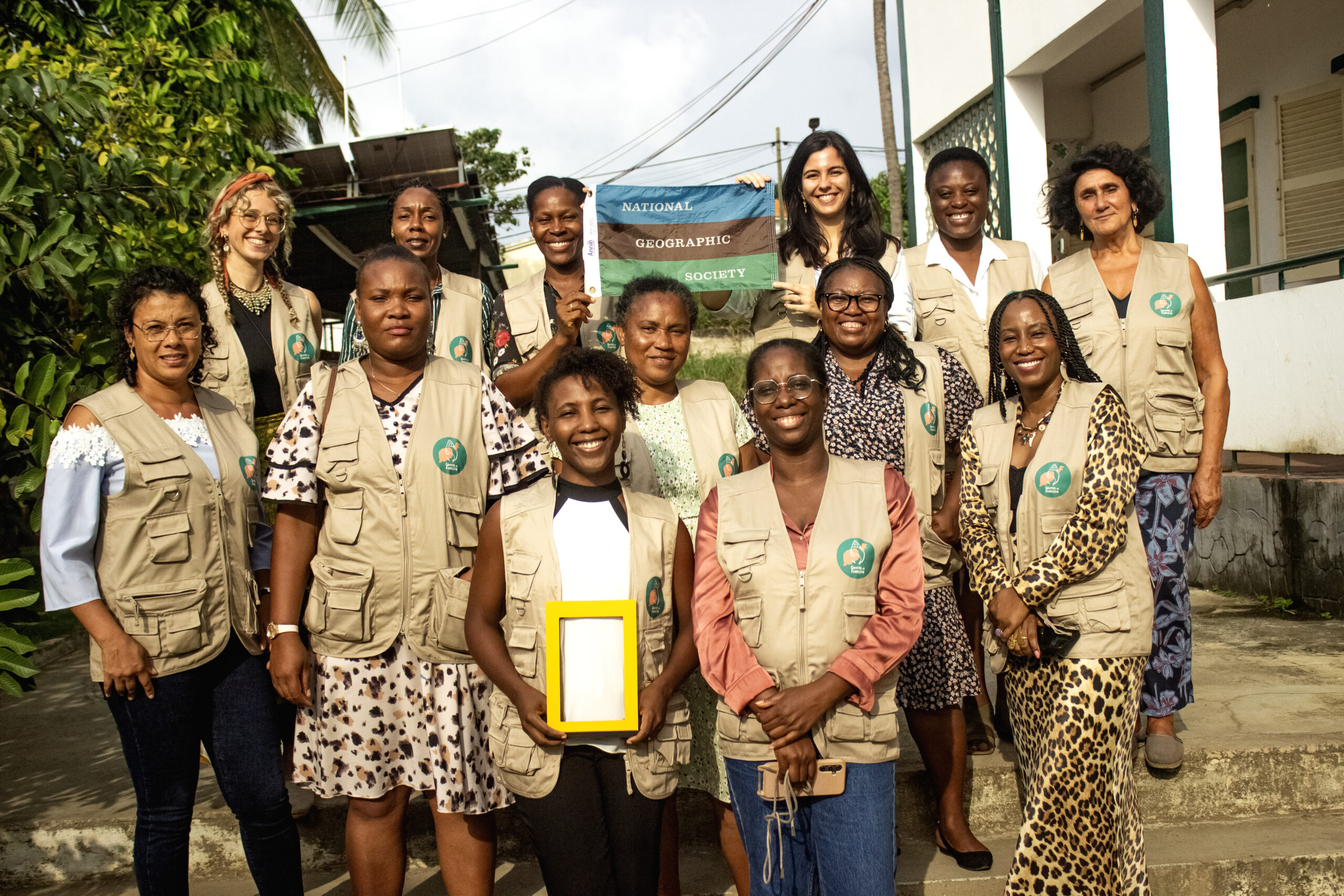
Contos da Floresta brings together women already working in conservation with the country’s first cohort of emerging women conservationists under the programme.
The 20 participants are supported by a multidisciplinary team of 18 female professionals, including biologists, educators, sociologists, a psychologist, a journalist and a documentary filmmaker. Together, they bring experience from across the fields of biodiversity conservation, communications, education and gender equality.
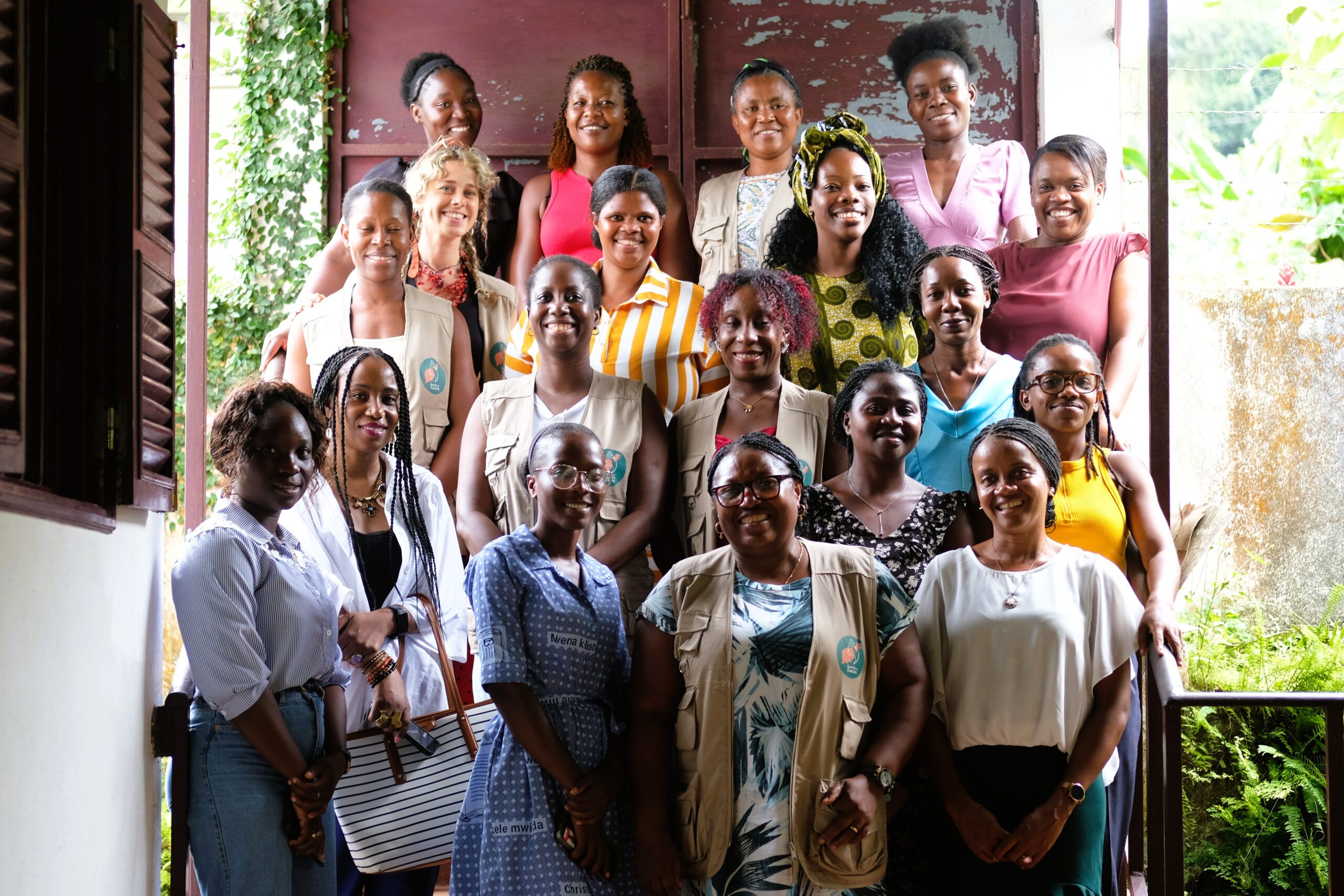
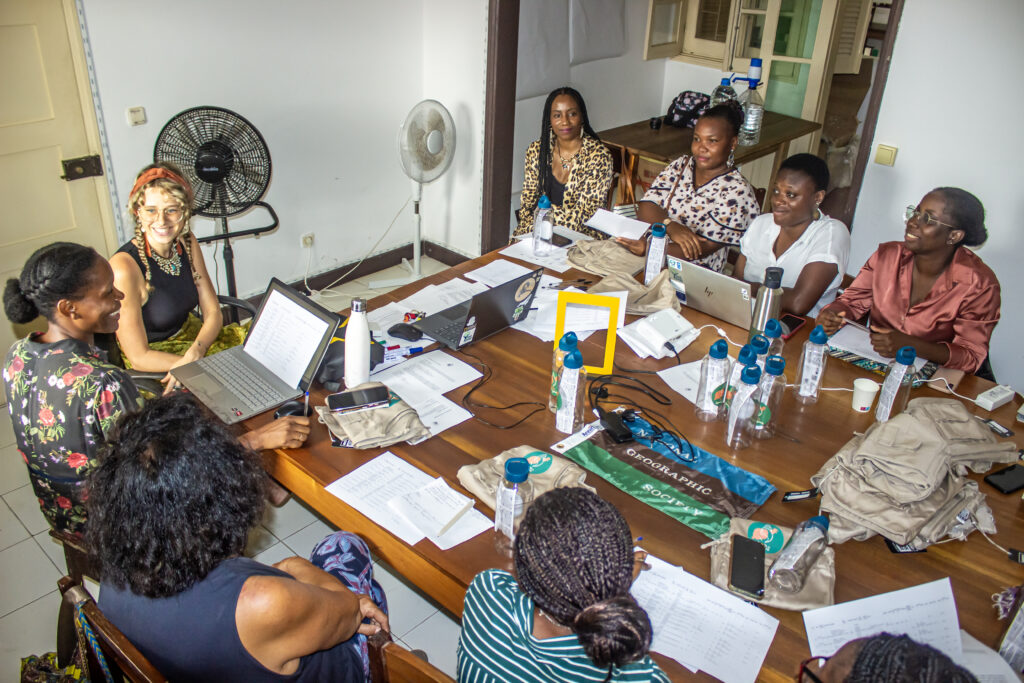
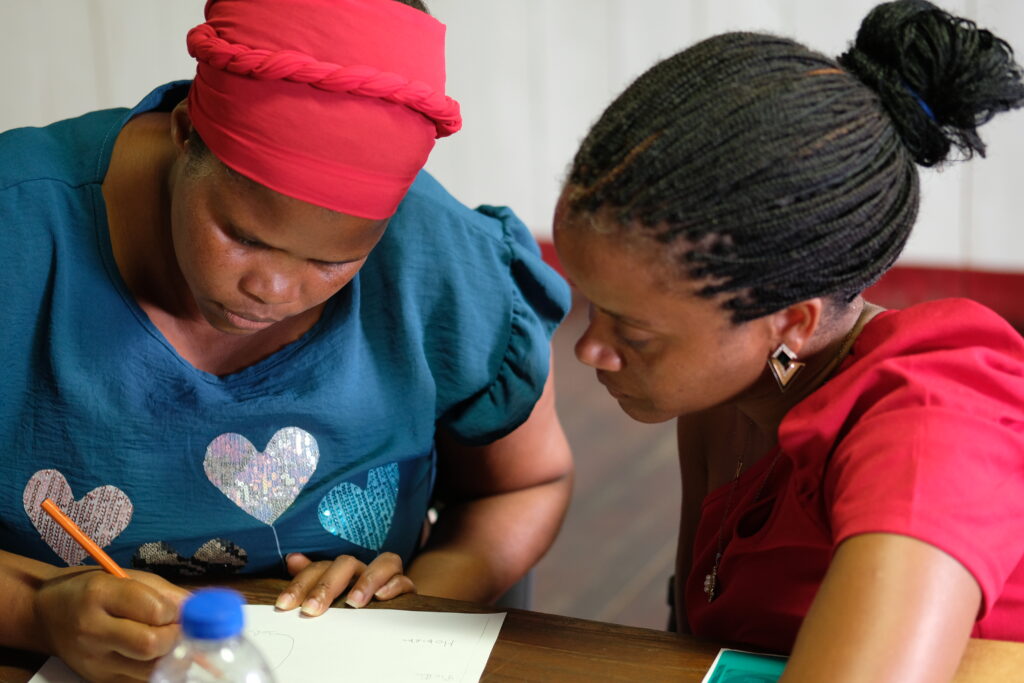
The mentoring model allows experienced practitioners to share their knowledge with younger women entering the sector, while encouraging collaboration among women from rural and urban communities.
More than a conservation project, the initiative is investing in a new generation of women leaders. Participants are learning how to develop conservation projects, mobilize resources and communicate their ideas to potential partners and funders. The programme will also establish São Tomé and Príncipe’s first Women Conservationists Training Club, creating a space where participants can continue exchanging knowledge, building partnerships and supporting one another.
Protecting overlooked endemic species
The initiative also has ambitious conservation goals.
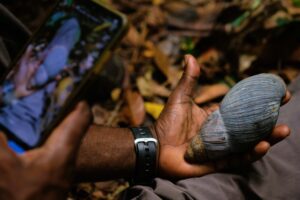
Participants will contribute to efforts to conserve six endemic species, including the giant Obô land snail (Archachatina bicarinata) and Thyrophorella thomensis, a species approximately the size of a pea.
Although these species play important ecological roles, they receive much less attention than larger and more recognizable wildlife. Through the initiative, they will become a focus for scientific assessments under the IUCN Red List, the development of a National Species Action Plan and the design of ex situ conservation measures.
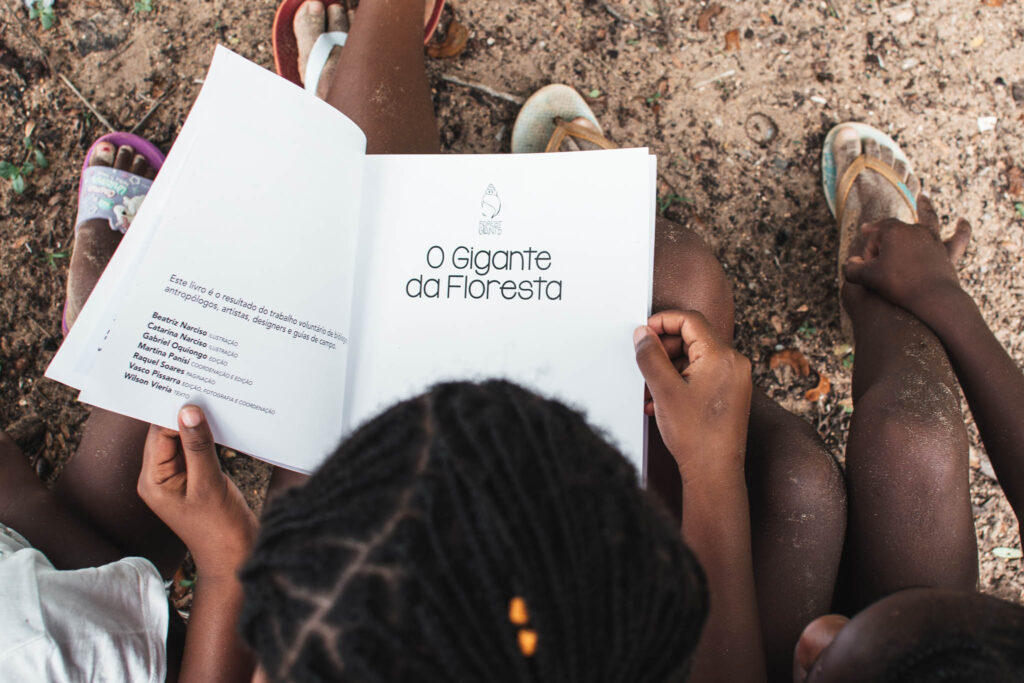
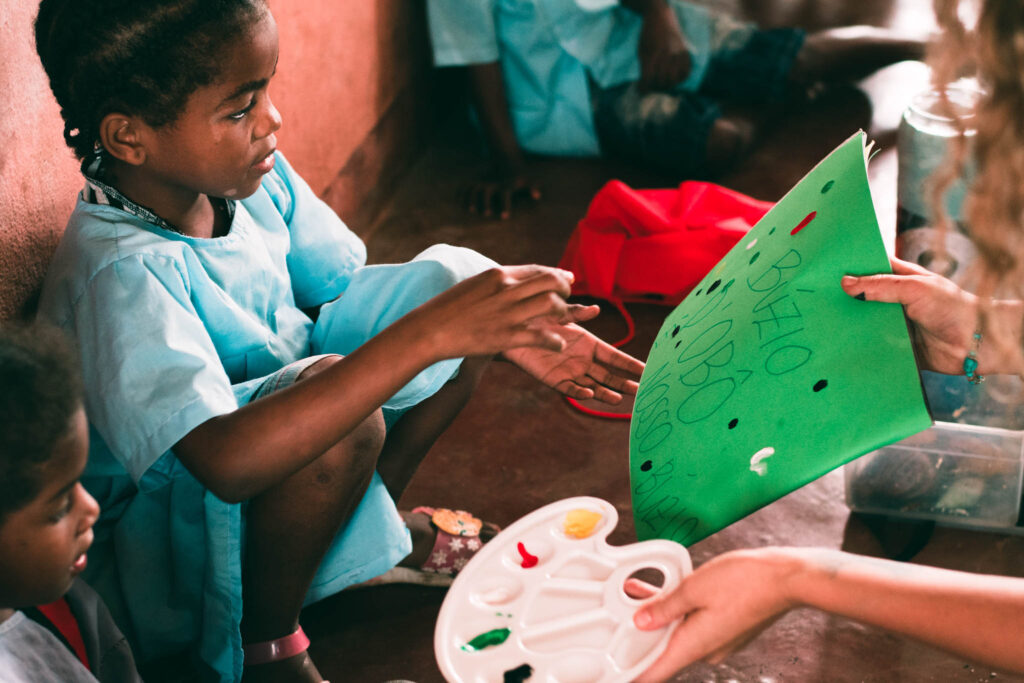
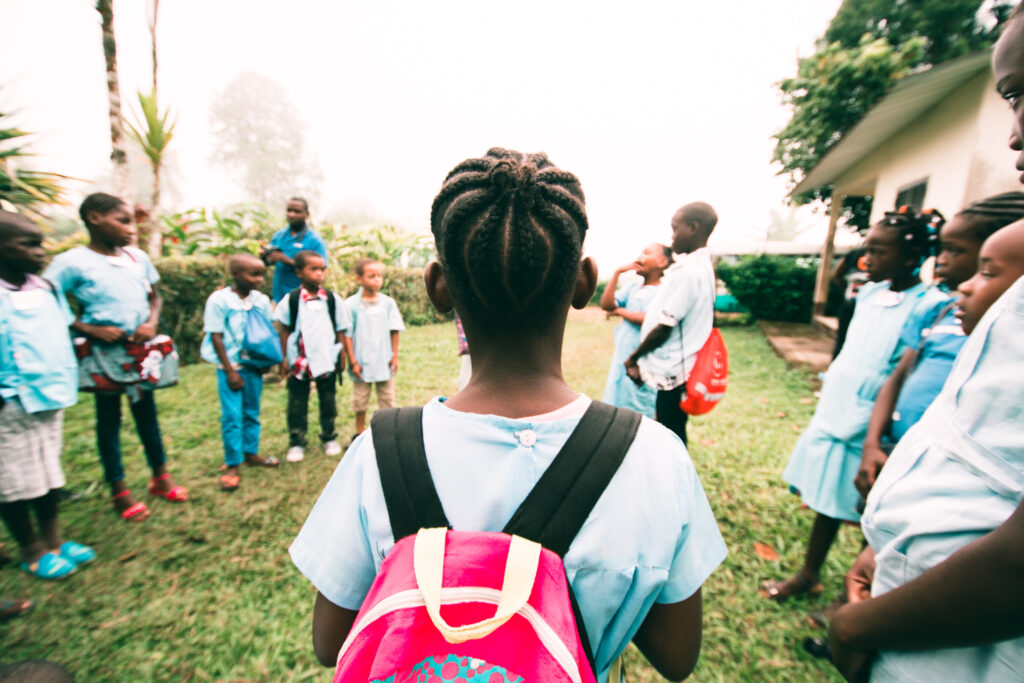
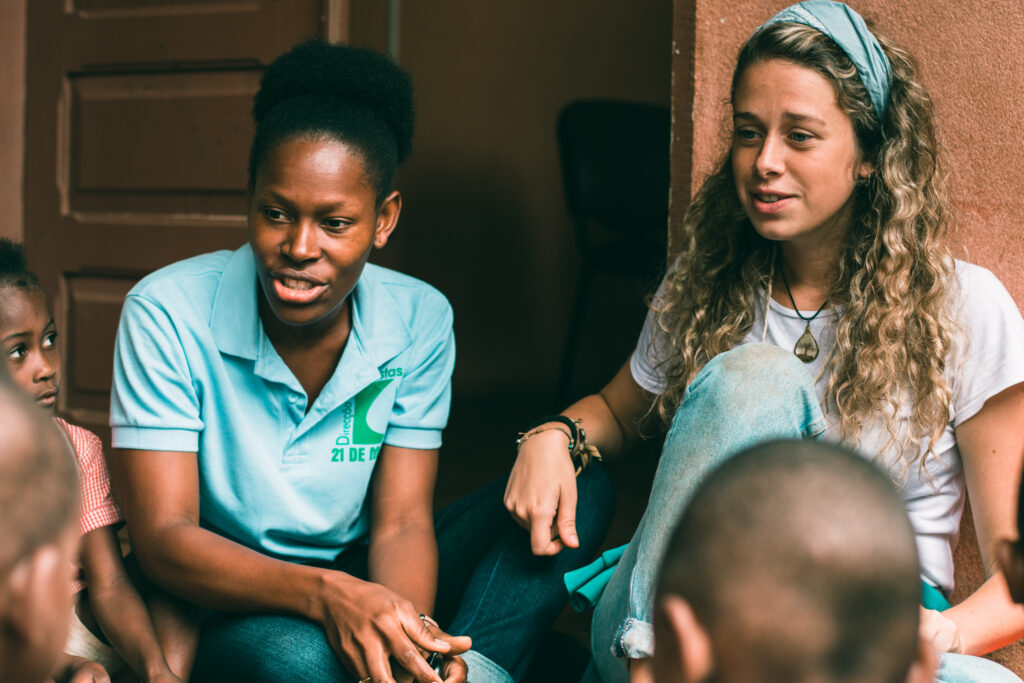
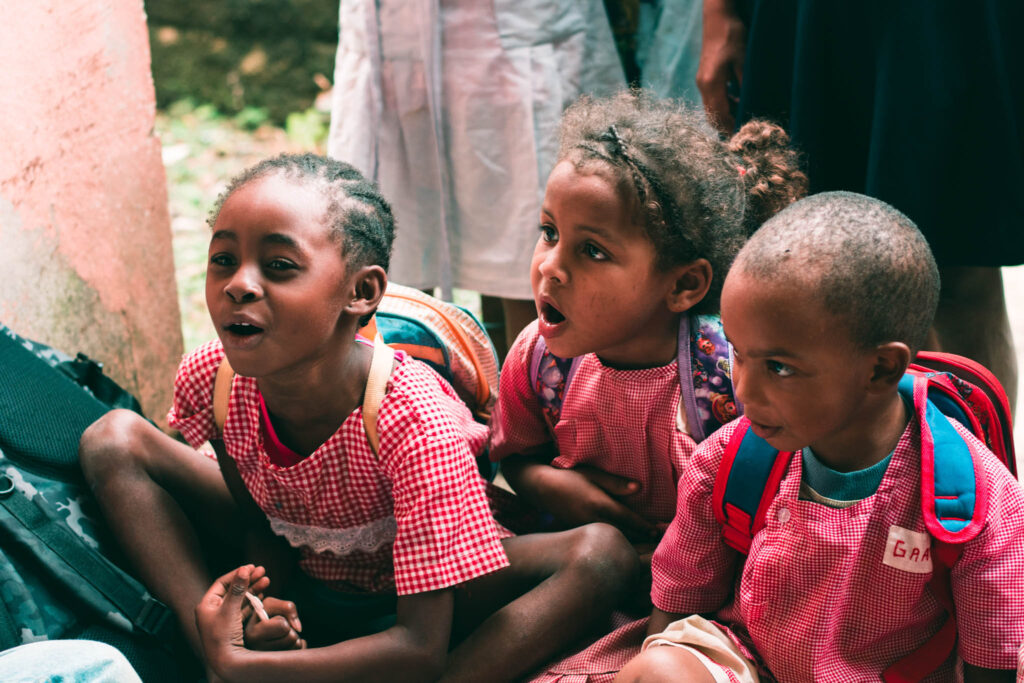
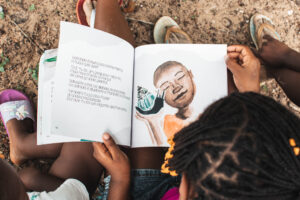
Their individual journeys and conservation work will also be captured in a digital book and a short documentary film. By sharing these stories, the initiative aims to bring greater visibility to women whose voices and contributions have often been absent from public discussions about biodiversity conservation.
For the participants, this work is about more than protecting species. It is also about recognition, confidence, leadership and opportunity.
As Edlena Barros has noted, women are not simply victims of environmental change; they are essential allies in the sustainable development of the islands.
Desineide Viana, a schoolteacher participating in the programme, reflected on the transformative role women can play:
“Women are like the rain. It rains and rains, bringing renewal. In the same way, one of the roles of women in society is to renew what is not fair, create something new, and continually renew ourselves, becoming new versions of who we are.”
Building the financial foundations for conservation
Passion, knowledge and technical expertise are essential to successful conservation. But conservation initiatives also need sustainable financing if they are to continue and grow.
Several members of the programme’s core team are biodiversity-finance specialists who have contributed to the design and implementation of conservation-finance solutions in São Tomé and Príncipe. Their experience creates an opportunity to introduce participants to the financial tools that can help turn conservation ideas into viable, long-term initiatives.
Biodiversity finance and financing mechanisms will therefore be incorporated into the programme’s training and awareness-raising activities. Alongside conservation science, environmental education and community engagement, participants will learn about project development, fundraising and approaches for mobilizing and managing resources for nature.
This knowledge could help participants develop biodiversity-positive enterprises, seek funding for community initiatives and participate more meaningfully in decisions about how conservation resources are allocated.
The initiative comes as São Tomé and Príncipe advances its work with UNDP BIOFIN to identify and implement practical solutions for financing the country’s biodiversity priorities.
One important element of the country’s emerging biodiversity-finance architecture is the EcoTéla Fund, São Tomé and Príncipe’s first national conservation and climate trust fund. Legally established in 2025, the fund was developed through a partnership involving the Government, the Global Environment Facility, UNDP and conservation organizations, including BirdLife International, Oikos and Fundação Príncipe.
EcoTéla is designed to provide stable and predictable financing for biodiversity conservation, ecosystem restoration, climate action and community-based initiatives. Its model combines a long-term endowment with a mechanism for directly financing conservation activities.
Built on principles of transparency, equity and inclusion, the fund aims to strengthen local leadership and mobilize additional and innovative sources of finance for nature.
While Contos da Floresta focuses on developing knowledge, skills and leadership among women conservationists, EcoTéla represents part of the financial architecture needed to sustain conservation action. Together, these efforts demonstrate why investing in people and building effective financing mechanisms must go hand in hand.
Ensuring that women can design projects, access finance and participate in decisions about conservation funding can help make future investments in nature more inclusive, locally grounded and effective.
Changing the face of conservation
The face of conservation in São Tomé and Príncipe is beginning to change.
Through mentoring, practical training, environmental education and direct conservation action, a new generation of women is gaining the skills and confidence to take a more prominent role in protecting the islands’ natural heritage.
Their participation can also help ensure that the knowledge held by women in local communities informs national conservation priorities and investments.
By connecting women’s leadership with biodiversity science, sustainable livelihoods and finance, Contos da Floresta is helping create new pathways into a sector where women have historically been underrepresented.
If biodiversity has long had a predominantly male face in São Tomé and Príncipe, that picture is beginning to change. A new generation of women conservationists is emerging-not only as beneficiaries of conservation, but as leaders in protecting the islands’ unique natural heritage.